
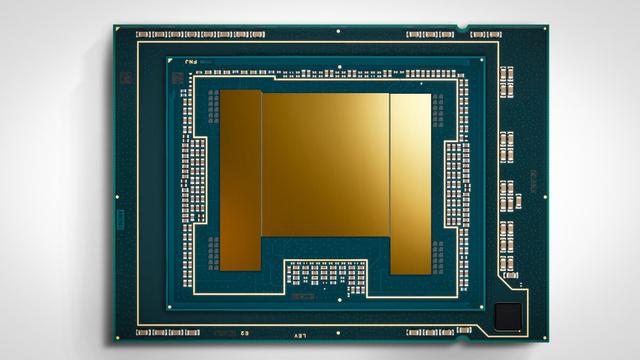
Intel Xeon 6919P
Expert rating8.2 / 10
- Brand:
- Intel
- Form Factor:
- Server & Enthusiast
- CPU Socket:
- LGA 4710
- Core/Thread Count:
- 32C/64T
- TDP:
- 250W
- iGPU:
- None
- CPU Series:
- Xeon 6900P
Consumercarts is reader-supported. Learn more
Disclaimer: The price and specification of the given product may differ from the actual product. Please confirm on the retailer's website before buying.
Manufacturer: Intel Last updated:
Intel Xeon 6919P Review
Intel Xeon 6919P 32-core 64-thread Granite Rapids server processor, 2.9GHz base / 3.8GHz boost, 192MB L3 cache, 250W TDP, LGA 4710 socket, Xeon 6900P series
The Intel Xeon 6919P is the entry point into the Xeon 6900P family, offering the full 12-channel memory platform and a relatively high 2.9GHz base clock at just 32 cores for memory-capacity-first deployments that don't need dozens of cores.
Performance and Architecture
The Xeon 6919P runs 32 Granite Rapids P-cores and 64 threads at a 2.9GHz base clock boosting to 3.8GHz, with 192MB of L3 cache. It is the lowest core-count SKU in the 6900P family but still carries the platform's full memory-channel count, AMX support, and PCIe 5.0/CXL 2.0 I/O.
Platform and Deployment
On the LGA 4710 socket at 250W, the Xeon 6919P is chosen specifically for its access to the 6900 platform's maximum memory capacity and channel count rather than for core density, serving memory-per-socket-critical deployments.
Comparison to Alternatives
Against AMD's EPYC 9655 in this catalog, the Xeon 6919P has far fewer cores but a notably higher base clock and identical access to the 6900-class memory subsystem, appealing to workloads bound by memory capacity rather than thread count. Compared to Intel's Emerald Rapids Xeon Platinum 8592+ already in this catalog, the 6919P offers a similar core count with a newer architecture and expanded memory-channel support for memory-capacity-critical deployments.
Specifications
Identity
| Product Line | Xeon |
|---|---|
| Model Number | 6919P |
| Codename | Granite Rapids |
| Release Year | 2024 |
Segment and platform
| Market Segment | Server |
|---|---|
| Microarchitecture | Granite Rapids |
| Socket | Other |
| Socket Status | Current |
| Process Node | 3 nm |
Core configuration
| Total Cores | 32 |
|---|---|
| Performance Cores | 32 |
| Efficiency Cores | 0 |
| Total Threads | 64 |
| SMT Enabled | Yes |
Clock speeds
| P-Core Base Clock | 2.9 GHz |
|---|---|
| P-Core Boost Clock | 3.8 GHz |
| Unlocked Multiplier | No |
Cache
| L3 Cache | 192 MB |
|---|
Power and thermal
| Base Power | 250 W |
|---|
Memory
| Memory Type | DDR5 |
|---|---|
| Memory Channels | 12 |
| Max Memory Capacity | 1536 GB |
| ECC Support | Yes |
Graphics and AI
| Integrated Graphics | No |
|---|---|
| Copilot Plus Certified | No |
Expansion
| PCIe Generation | PCIe 5.0 |
|---|
| Form Factor | Server & Enthusiast |
|---|---|
| TDP | 250 W |
| iGPU | None |
Expert Review
Reviewed by Burooj Alam. Rated by us, not by users.
Expert rating8.2 / 10
The Intel Xeon 6919P is the entry point to Xeon 6900P-class memory bandwidth, trading core count for clock speed and full platform memory reach.
Best for
- Memory-capacity-critical database servers
- Latency-sensitive services needing high clocks
- In-memory caching and analytics tiers
Not for
- Core-count-driven virtualization consolidation
- Massive parallel HPC clusters
- Cost-sensitive entry servers
FAQs
What are the key specifications of the Intel Xeon 6919P?
The Intel Xeon 6919P is a processor from Intel. Key specs: Cores 32, Threads 64, Base Clock 2.9 GHz, Boost Clock 3.8 GHz, L3 Cache 192.
Will the Intel Xeon 6919P work with my current setup?
The Intel Xeon 6919P lists Socket is LGA 4710. Check that against the hardware you already own before buying, since this is the field that most often decides whether a part fits.
Who is the Intel Xeon 6919P best suited to?
It suits memory-capacity-critical database servers, latency-sensitive services needing high clocks, in-memory caching and analytics tiers.
What are the drawbacks of the Intel Xeon 6919P?
It is a poor fit for core-count-driven virtualization consolidation, massive parallel hpc clusters, cost-sensitive entry servers.