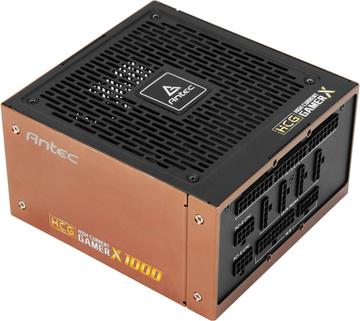
- Wattage
- 1000 W
- 80 PLUS Rating
- Gold
- Modularity
- Fully Modular
- ATX Standard
- ATX 2.x
$149.99

Hardware finder
Updated October 10, 2026
125 power supplies from 22 brands. Prices from $44.00 to $580.00.
Consumercarts is reader-supported. Learn more
Showing 125 Power Supplies found
$149.99
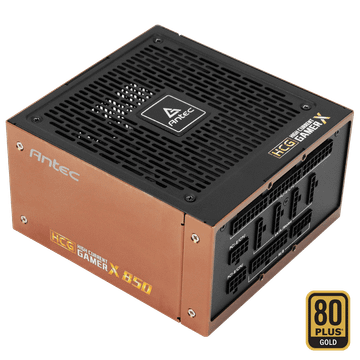
$119.99at Amazon
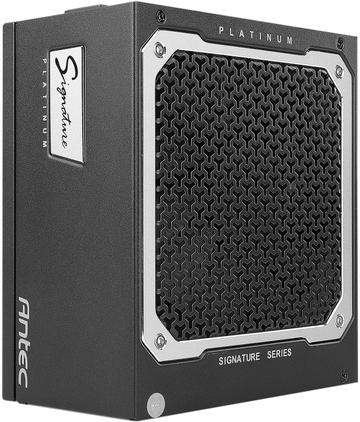
$289.99at Amazon
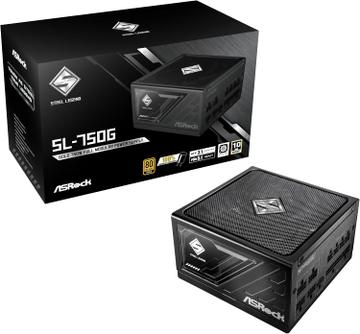
$69.99at Newegg
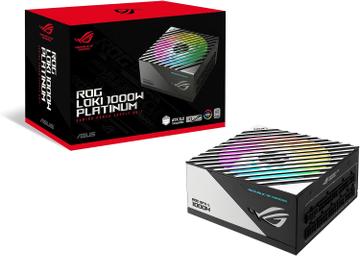
$239.99at Amazon
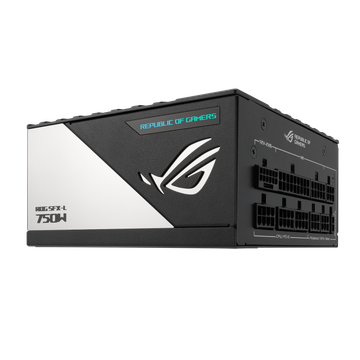
$170.00at Amazon
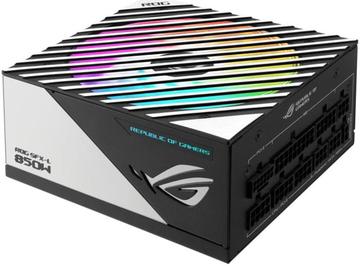
$219.99at Amazon
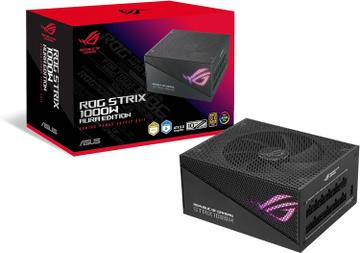
$189.99
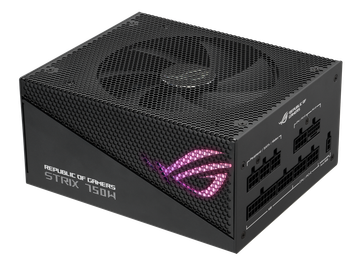
$169.99at Micro Center
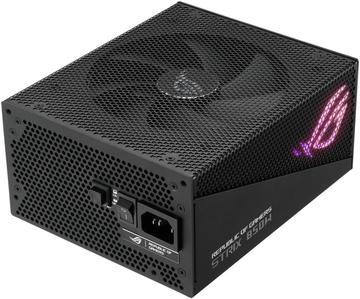
$169.99at Amazon

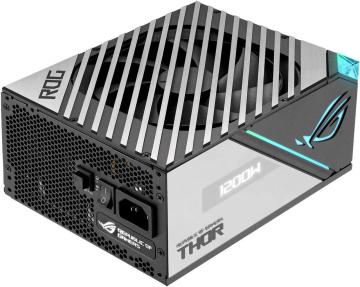
$349.99
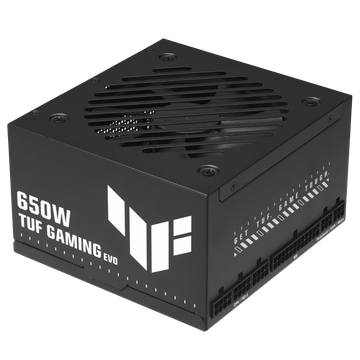
$97.00at ASUS Store
$84.99at Newegg
$349.99at Amazon
$124.99at Amazon
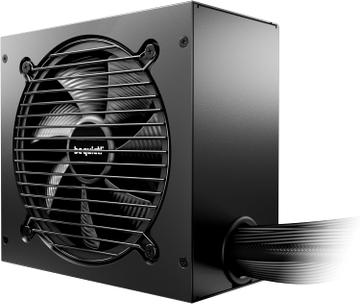
$74.99at Amazon
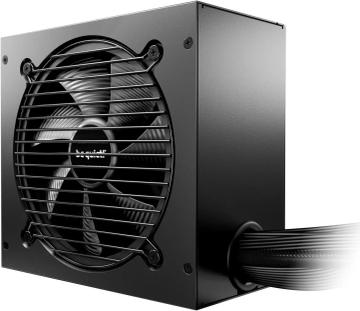
$94.99at Amazon
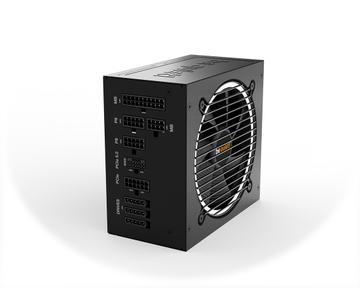
$99.99
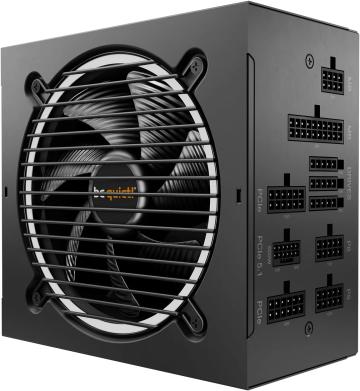
$129.99at Amazon
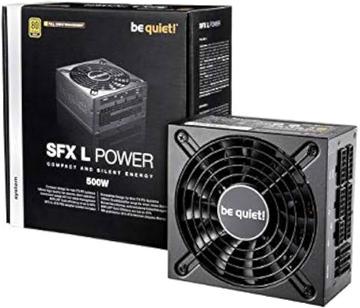
$109.99
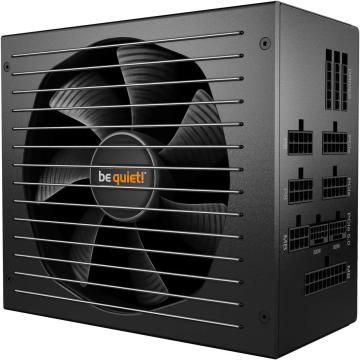
$219.99
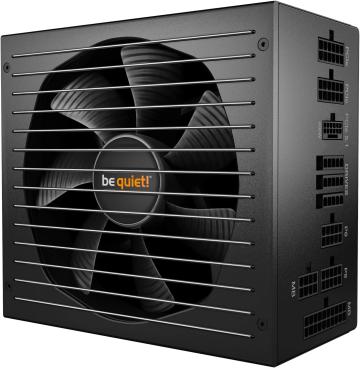
$219.99
Power supplies listed by rated wattage, efficiency and noise ratings, the GPU power connectors they actually provide, physical length, modularity and warranty.
Connector count matters as much as wattage. A supply with enough watts but the wrong connectors will not run a modern graphics card.
Of the 112 power supplies here with a listed price, half cost between $100 and $182, with a median of about $140. Work out your wattage with our PSU wattage calculator guide, then compare 80 PLUS Gold vs Platinum vs Titanium and what ATX 3.1 and 12V-2x6 mean for a new graphics card. Popular comparison: be quiet! Pure Power 12 850W vs Straight Power 12 1500W.
Connectors decide this as often as wattage does. A supply with enough watts but the wrong cables will not run a modern graphics card, and an adapter is the failure point most often reported on 12V-2x6 cards.
Add the CPU's sustained draw and the card's peak draw, then leave headroom for transient spikes, which on recent GPUs can be double the rated figure for milliseconds. A supply running at roughly half its rating sits in its efficient band and its fan stays slow. Buying far beyond that is wasted money, not extra safety.
80 PLUS and Cybenetics measure efficiency, which affects your power bill and heat output, not how well the supply protects your parts. Gold is the sensible default. Platinum and Titanium pay back only on machines that run heavy loads for long hours.
Single rail versus multi rail, protections present, capacitor grade and, above all, who actually built the unit. Brand names are marketing; the OEM platform is what is being sold.
If you are buying a current graphics card, a native 12V-2x6 connector on the supply is worth having. It handles the transient behaviour the standard was written for, and it removes the adapter.
Length in millimetres against the case's PSU bay, especially in small form factor builds where a 180mm unit will not fit a 160mm bay. Modularity matters for cable management and airflow, not performance.
Start with the graphics card maker recommendation, add your processor peak power, and leave 20 to 30 percent headroom for transient spikes. An ATX 3.1 supply handles those spikes better at a given wattage.
Only if your graphics card uses one. Many current cards do, and an adapter from multiple 8-pin cables works but is the part most often implicated in connector failures.
For efficiency alone the payback is slow. Higher-rated units usually also have better components, quieter fans and longer warranties, which is the real reason to pay more.
Every cable detaches, so you only install the ones you need. It makes building tidier and is not a performance difference.
In our catalog, half of the power supplies with a listed price cost between $100 and $182, and the median is about $140. Pay more for higher wattage, 80 PLUS Platinum or Titanium, a native 12V-2x6 connector or a longer warranty.