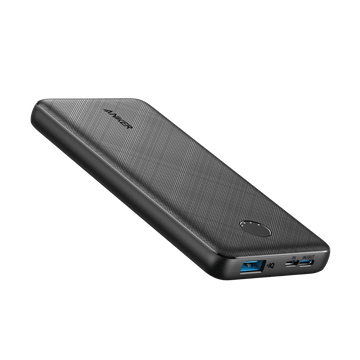
$25.99at Anker Store

Hardware finder
Updated October 10, 2026
183 power banks from 30 brands. Prices from $18.00 to $399.00.
Consumercarts is reader-supported. Learn more
Showing 183 Power Banks found
$25.99at Anker Store
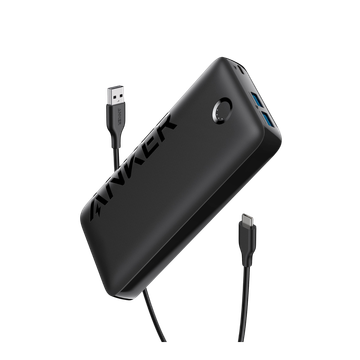
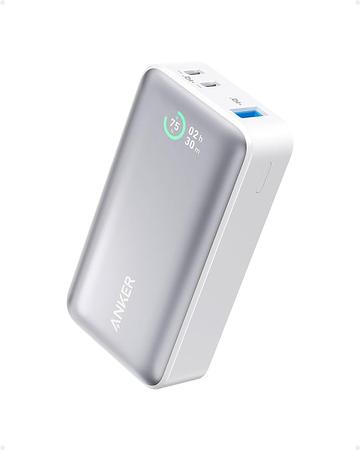
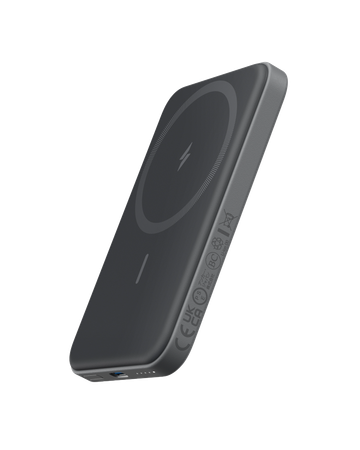
$42.99at Anker Store
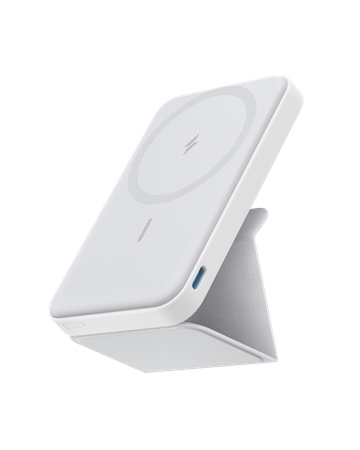
$47.99at Anker Store
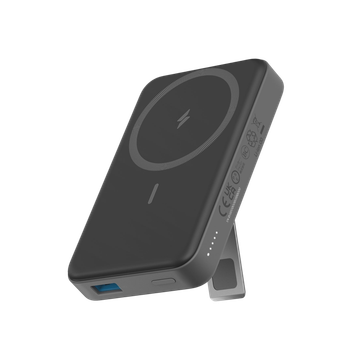
$59.99at Anker Store
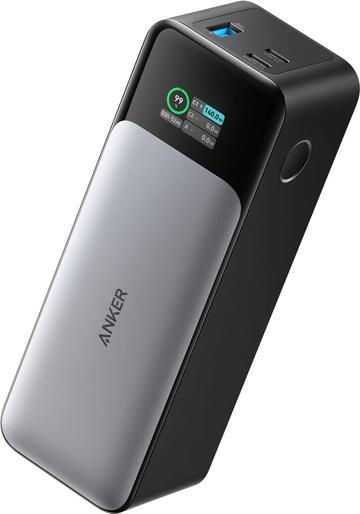
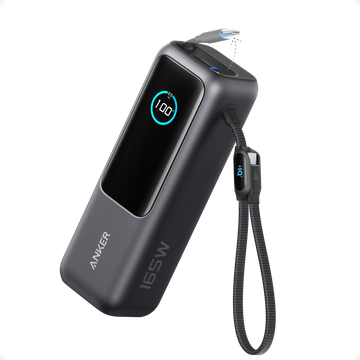
$119.99at Anker Store
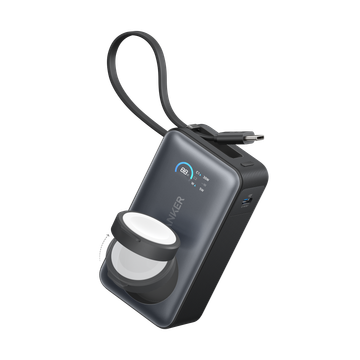
$89.99at Anker Store
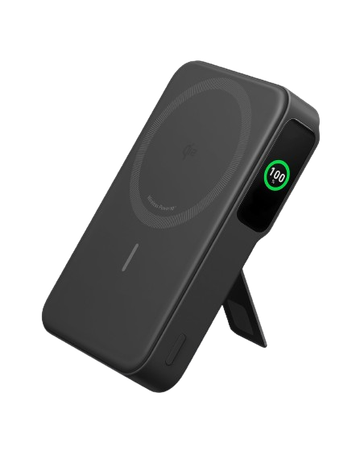
$89.99at Amazon
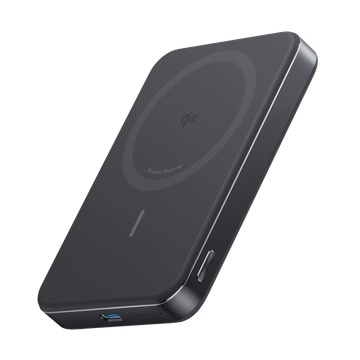
$79.86at Anker Store
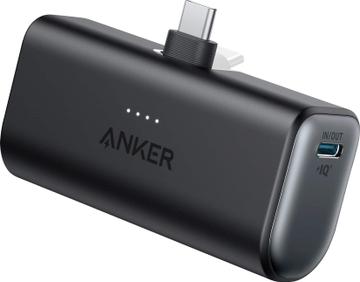
$26.99at Amazon
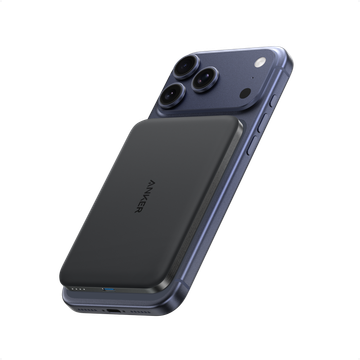
$54.99at Anker Store
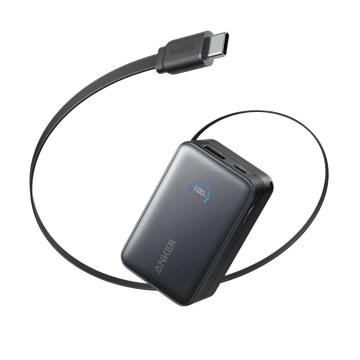
$59.99at Anker Store
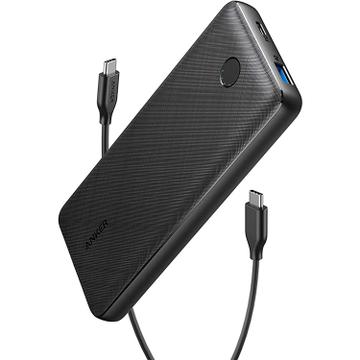
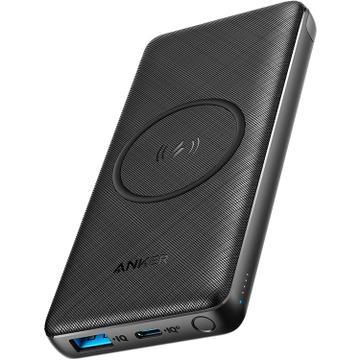
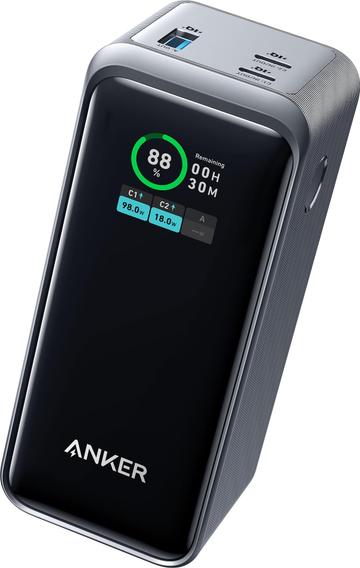
$149.99at Best Buy
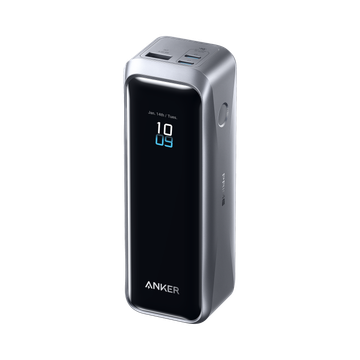
$179.99at Anker Store
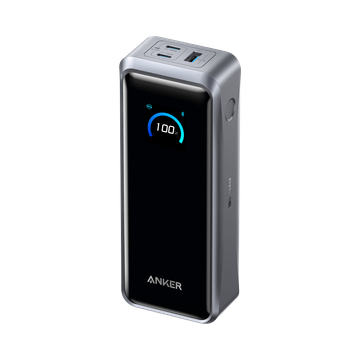
$229.99at Anker Store
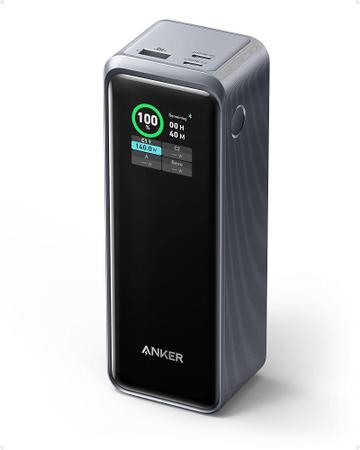

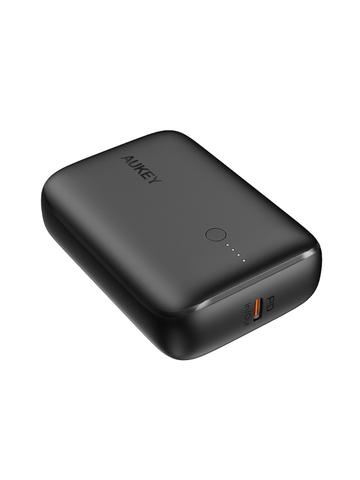
$23.99at AUKEY Official
Power banks listed by rated capacity in both mAh and watt-hours, the output each port actually delivers alone and with others active, charging standards supported, and recharge time.
Watt-hours is the figure airlines use, so it is recorded on every product alongside the carry-on rating.
Of the 97 power banks here with a listed price, half cost between $40 and $90, with a median of about $60. For a laptop, read best power bank for laptops; for flights, mAh vs Wh and airline rules. Popular comparisons: Anker MagGo 10K Slim vs Anker Nano 10K 45W and Anker MagGo 10K Slim vs INIU MagSafe Qi2.2.
Rated capacity in mAh is not the energy you get. Cells sit at about 3.7V, USB delivers at 5V or higher, and the conversion plus heat costs roughly a third. A 10,000mAh bank realistically delivers around 6,000 to 7,000mAh to a phone. Watt hours is the honest unit, and it is the one airlines use.
A phone wants 20W to 30W. A tablet wants 45W. A laptop wants 65W or more, and many thin and light machines want 100W. A bank with huge capacity and a 22.5W output will charge a laptop, very slowly, or refuse.
A bank advertised at 140W often means 140W shared. Plug in a second device and the first drops. If you charge two things at once, look for the split figures.
A 20,000mAh bank that recharges at 18W takes most of a day. The same capacity at 65W is usable overnight or over a lunch break. This spec is routinely buried.
Magnetic wireless banks are convenient and inefficient: expect roughly half the rated capacity to reach the phone, and expect heat. For maximum transferred energy, use the cable.
Most carriers allow up to 100Wh in the cabin without approval, and 100 to 160Wh with airline permission. Above that is refused. A bank that does not state its watt hours on the casing can be rejected at the gate.
Under 100Wh is generally fine in carry-on. Between 100 and 160Wh usually needs airline approval, and above 160Wh is prohibited. The rating is on every product page here.
Peak wattage usually applies to one port alone. With a second device connected, the budget is shared, and the per-port figures with multiple ports active are listed separately.
USB Power Delivery negotiates higher voltages for faster charging. Without it a bank is limited to roughly 15W regardless of its capacity.
Yes, if it supports USB PD at enough wattage. Match the bank output to your laptop charger rating, and check EPR support for laptops needing more than 100W.
Rated capacity is measured at cell voltage, typically 3.7V, while output is at 5V or higher. Conversion losses mean you get roughly 60 to 70 percent of the headline figure.
In our catalog, half of the power banks with a listed price cost between $40 and $90, and the median is about $60. Magnetic wireless models and laptop banks with 65W or more output sit at the top of that range.