
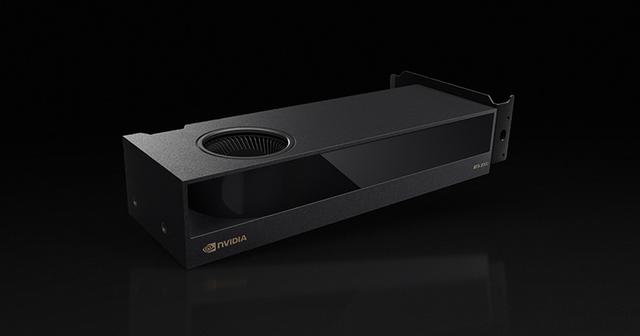
NVIDIA RTX 2000 Ada Generation
Expert rating6.7 / 10
- GPU Brand:
- NVIDIA
- VRAM:
- 16GB GDDR6
- Memory Type:
- GDDR6
- TDP:
- 70W
Consumercarts is reader-supported. Learn more
Disclaimer: The price and specification of the given product may differ from the actual product. Please confirm on the retailer's website before buying.
Manufacturer: NVIDIA Last updated: 2026-09-12
NVIDIA RTX 2000 Ada Generation Review
The NVIDIA RTX 2000 Ada Generation is the entry-level single-slot workstation card in NVIDIA's Ada Lovelace professional lineup, the successor to the RTX A2000, notable for packing 16GB of VRAM into a slot-powered, 70W card small enough for the tightest SFF workstations.
It punches above its power budget thanks to Ada Lovelace's efficiency gains, and the 16GB frame buffer is unusually generous for an entry-tier card, making it a favorite for budget local AI inference rigs as much as CAD work. It's since been succeeded by the RTX PRO 2000 Blackwell for new builds, but it remains a solid, cheap way into ISV-certified workstation graphics.
Performance & Real-World Use
2816 CUDA cores at 70W slot power is a genuinely efficient Ada Lovelace implementation, giving it enough headroom for CAD viewport work and single-model AI inference without needing a supplemental power connector at all.
Comparison to Alternatives
Its successor, the RTX PRO 2000 Blackwell also being added to this catalog, offers faster GDDR7 memory and improved RT/Tensor cores at the same 12GB-ish tier, making it the better pick for new builds where budget allows. Against the RTX 4000 Ada Generation Laptop GPU already in the catalog, the desktop 2000 Ada trades raw performance for a much lower power envelope and single-slot form factor.
Specifications
Platform
| GPU Brand | NVIDIA |
|---|---|
| Board Partner | PNY / NVIDIA Reference |
Identity and type
| Series | RTX Ada Generation |
|---|---|
| Tier | Entry |
Performance
| VRAM | 16 GB |
|---|---|
| Memory Type | GDDR6 |
| Boost Clock | 2130 MHz |
| Ray Tracing Support | Yes |
Physical & Power
| TDP | 70 W |
|---|---|
| Card Length | 170 mm |
| Slot Width | 1 |
Silicon
| Architecture | Ada Lovelace |
|---|---|
| Shader Units | 2816 |
Memory
| Memory Bus Width | 128 bit |
|---|
Power
| Power Connector | None (slot powered) |
|---|
Host interface
| PCIe Generation | PCIe 4.0 x8 |
|---|
Market and workstation
| ECC Memory | Yes |
|---|
| Display Outputs | 4x Mini-DisplayPort 1.4 |
|---|
Expert Review
Reviewed by Burooj Alam. Rated by us, not by users.
Expert rating6.7 / 10
An efficient, VRAM-generous entry workstation card that remains a smart budget CAD or inference pick even after being succeeded by the Blackwell generation.
Best for
- Budget SFF CAD workstations
- Local single-model AI inference on limited power budgets
- IT fleets needing certified drivers cheaply
Not for
- Gaming builds
- Multi-model or large-batch AI workloads
- Anyone needing the absolute latest architecture (RTX PRO Blackwell supersedes it)
FAQs
What are the key specifications of the NVIDIA RTX 2000 Ada Generation?
The NVIDIA RTX 2000 Ada Generation is a graphics card from NVIDIA. Key specs: GPU Brand NVIDIA, Tier Entry, Board Partner PNY / NVIDIA Reference, VRAM 16GB GDDR6, Memory Type GDDR6.
Who is the NVIDIA RTX 2000 Ada Generation best suited to?
It suits budget sff cad workstations, local single-model ai inference on limited power budgets, it fleets needing certified drivers cheaply.
What are the drawbacks of the NVIDIA RTX 2000 Ada Generation?
It is a poor fit for gaming builds, multi-model or large-batch ai workloads, anyone needing the absolute latest architecture (rtx pro blackwell supersedes it).
Compare and read more
- Intel Arc B570 (Intel/Battlemage/Budget/10GB GDDR6/2.6GHz Boost/190W TDP/Ray Tracing/$219 MSRP) vs NVIDIA RTX 2000 Ada Generation
- Intel Arc B570 (Intel/Battlemage/Budget/10GB GDDR6/2.6GHz Boost/190W TDP/Ray Tracing/$219 MSRP) vs NVIDIA RTX 2000 Ada Generation
- NVIDIA RTX 2000 Ada Generation vs Sparkle Titan OC Arc B570
- NVIDIA RTX 2000 Ada Generation vs Sapphire Pulse Radeon RX 7600
- Intel Arc A380 vs NVIDIA RTX 2000 Ada Generation