
Consumercarts is reader-supported. Learn more
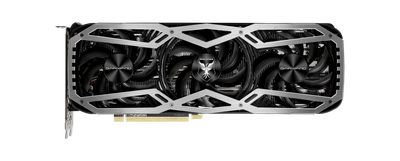
AMD Instinct MI210 vs NVIDIA Gainward Phoenix GeForce RTX 3090: Comparison
AMD Instinct MI210 and NVIDIA Gainward Phoenix GeForce RTX 3090 separate most on vram: AMD Instinct MI210 at 64 GB, NVIDIA Gainward Phoenix GeForce RTX 3090 at 24 GB, 63% in favour of AMD Instinct MI210. Card Length splits them by another 20%, again favouring AMD Instinct MI210.

Specs
| Specification |  |  |
|---|---|---|
| GPU Brand | AMD | NVIDIA |
| Series | Instinct MI200 | GeForce RTX 30 |
| Board Partner | AMD Reference (PCIe dual-slot card, data center/OEM only) | Gainward |
| VRAM | 64 GB | 24 GB-62% |
| Tier | Datacenter / AI Accelerator | Flagship |
| Memory Type | HBM2E | GDDR6X |
| Boost Clock | 1700 MHz-2% | 1740 MHz |
| Ray Tracing Support | false | true |
| TDP | 300 W | 350 W-17% |
| Architecture | CDNA 2 (single Graphics Compute Die) | Ampere (GA102) |
| Card Length | 267 mm | 320 mm-20% |
| Slot Width | 2 (dual-slot, passive cooling for server airflow) | 3 |
Verdict
AMD Instinct MI210
7.3 / 10 Expert Rating
A practical, PCIe-slot-friendly way to get CDNA 2 compute into a standard server, useful for smaller HPC and AI deployments, but clearly the entry point of its generation next to the dual-die MI250X and now well behind the MI300 series.
NVIDIA Gainward Phoenix GeForce RTX 3090
9 / 10 Expert Rating
A solid flagship pick if its price and 24GB VRAM allocation match your target resolution.