
Consumercarts is reader-supported. Learn more
Acer FA300 vs XPG MARS 980 PRO: Comparison
Acer FA300 and XPG MARS 980 PRO separate most on sequential write: Acer FA300 at 10,000 MB/s, XPG MARS 980 PRO at 13,000 MB/s, 23% in favor of XPG MARS 980 PRO. Sequential Read splits them by another 21%, again favoring XPG MARS 980 PRO. They match on 5 other specifications, including drive type, bus interface and form factor.
Which is better, Acer FA300 or XPG MARS 980 PRO?
On paper, XPG MARS 980 PRO has the edge on sequential write, at 13,000 MB/s vs Acer FA300 at 10,000 MB/s.
What is the main difference between Acer FA300 and XPG MARS 980 PRO?
The XPG MARS 980 PRO is the faster drive, with a Speed Score of 9.7 against 8.5.
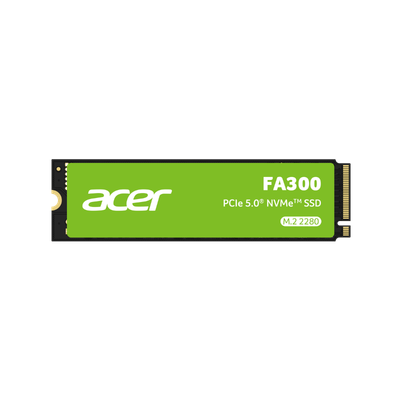
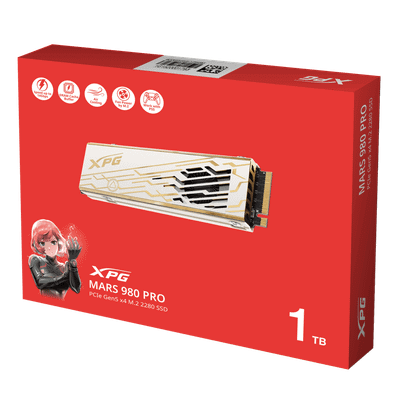
Specs and benchmarks
Speed Score
- Acer FA300
- 8.5/10-12%
- XPG MARS 980 PRO
- 9.7/10Best
How fast this drive is, rated from its read and write speeds, cache and NAND type. 10 is the fastest.
Brand
- Acer FA300
- Acer
- XPG MARS 980 PRO
- XPG
Model Number
- Acer FA300
- Acer FA300
- XPG MARS 980 PRO
- XPG MARS 980 PRO
Series
- Acer FA300
- FA300
- XPG MARS 980 PRO
- MARS 980 PRO
Drive Type
- Acer FA300
- Internal
- XPG MARS 980 PRO
- Internal
Bus Interface
- Acer FA300
- PCIe 5.0 x4
- XPG MARS 980 PRO
- PCIe 5.0 x4
Form Factor
- Acer FA300
- M.2 2280
- XPG MARS 980 PRO
- M.2 2280
Sequential Read
- Acer FA300
- 11000 MB/s-21%
- XPG MARS 980 PRO
- 14000 MB/s
Sequential Write
- Acer FA300
- 10000 MB/s-23%
- XPG MARS 980 PRO
- 13000 MB/s
Controller
- Acer FA300
- SM2504XT
- XPG MARS 980 PRO
- SM2508
Controller Vendor
- Acer FA300
- Silicon Motion
- XPG MARS 980 PRO
- Silicon Motion
DRAM Cache
- Acer FA300
- DRAM-less (HMB)
- XPG MARS 980 PRO
- DRAM
NAND Type
- Acer FA300
- TLC
- XPG MARS 980 PRO
- TLC
NAND Layers
- Acer FA300
- 218-6%
- XPG MARS 980 PRO
- 232


Which one should you pick?
Choose Acer FA300 if you already have it on hand or find it at a lower price.
Choose XPG MARS 980 PRO if you want the higher speed score (9.7 vs 8.5), the higher sequential read (14000 MB/s vs 11000 MB/s) and the higher sequential write (13000 MB/s vs 10000 MB/s).