
Consumercarts is reader-supported. Learn more
AMD Instinct MI210 vs NVIDIA RTX 2000 Ada Generation: Comparison
AMD Instinct MI210 and NVIDIA RTX 2000 Ada Generation separate most on tdp: AMD Instinct MI210 at 300 W, NVIDIA RTX 2000 Ada Generation at 70 W, 329% in favour of NVIDIA RTX 2000 Ada Generation. Memory Bus Width splits them by another 97%, this time favouring AMD Instinct MI210.

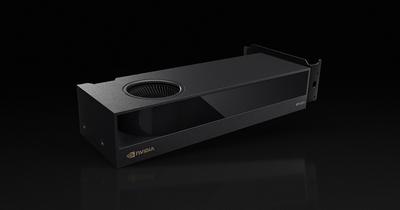
Specs
| Specification |  |  |
|---|---|---|
| GPU Brand | AMD | NVIDIA |
| Series | Instinct MI200 | RTX Ada Generation |
| Board Partner | AMD Reference (PCIe dual-slot card, data center/OEM only) | PNY / NVIDIA Reference |
| VRAM | 64 GB | 16 GB-75% |
| Tier | Datacenter / AI Accelerator | Entry |
| Memory Type | HBM2E | GDDR6 |
| Boost Clock | 1700 MHz-20% | 2130 MHz |
| Ray Tracing Support | false | true |
| TDP | 300 W-329% | 70 W |
| Architecture | CDNA 2 (single Graphics Compute Die) | Ada Lovelace |
| Card Length | 267 mm-57% | 170 mm |
| Slot Width | 2 (dual-slot, passive cooling for server airflow) | 1 |
| Memory Bus Width | 4096 bit | 128 bit-97% |
| PCIe Interface | PCIe 4.0 x16 | PCIe 4.0 x8 |
| Display Outputs | N/A - compute-only, no display output | 4x Mini-DisplayPort 1.4 |
Verdict
AMD Instinct MI210
7.3 / 10 Expert Rating
A practical, PCIe-slot-friendly way to get CDNA 2 compute into a standard server, useful for smaller HPC and AI deployments, but clearly the entry point of its generation next to the dual-die MI250X and now well behind the MI300 series.
NVIDIA RTX 2000 Ada Generation
6.7 / 10 Expert Rating
An efficient, VRAM-generous entry workstation card that remains a smart budget CAD or inference pick even after being succeeded by the Blackwell generation.