
Consumercarts is reader-supported. Learn more
NVIDIA RTX 2000 Ada Generation vs NVIDIA RTX PRO 2000 Blackwell Generation Laptop GPU: Comparison
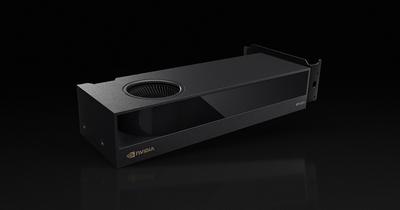
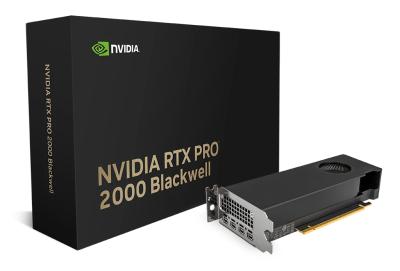
NVIDIA RTX 2000 Ada Generation and NVIDIA RTX PRO 2000 Blackwell Generation Laptop GPU separate most on vram: NVIDIA RTX 2000 Ada Generation at 16 GB, NVIDIA RTX PRO 2000 Blackwell Generation Laptop GPU at 8 GB, 50% in favour of NVIDIA RTX 2000 Ada Generation. TDP splits them by another 36%, again favouring NVIDIA RTX 2000 Ada Generation. They match on 4 other specifications, including gpu brand, tier and ray tracing support.
Specs
| Specification |  |  |
|---|---|---|
| GPU Brand | NVIDIA | NVIDIA |
| Series | RTX Ada Generation | RTX PRO Blackwell |
| Board Partner | PNY / NVIDIA Reference | OEM (varies by laptop model) |
| VRAM | 16 GB | 8 GB-50% |
| Tier | Entry | Entry |
| Memory Type | GDDR6 | GDDR7 |
| Ray Tracing Support | true | true |
| TDP | 70 W | 95 W-36% |
| Architecture | Ada Lovelace | Blackwell |
| Slot Width | 1 | N/A (mobile GPU, soldered to laptop motherboard) |
| CUDA Cores | 2816 | 2560 |
| Memory ECC Support | Yes (driver-selectable) | Yes (driver-selectable) |
Verdict
NVIDIA RTX 2000 Ada Generation
6.7 / 10 Expert Rating
An efficient, VRAM-generous entry workstation card that remains a smart budget CAD or inference pick even after being succeeded by the Blackwell generation.
NVIDIA RTX PRO 2000 Blackwell Generation Laptop GPU
7.2 / 10 Expert Rating
A genuinely useful entry-level mobile workstation chip for buyers who need certified drivers above all else.
More comparisons in Graphics Cards
- Intel Acer Predator BiFrost OC Arc A770 vs NVIDIA RTX PRO 2000 Blackwell Generation Laptop GPU
- AMD Instinct MI210 vs NVIDIA RTX 2000 Ada Generation
- AMD Instinct MI250 vs NVIDIA RTX 2000 Ada Generation
- NVIDIA GeForce RTX 5050 Laptop GPU vs NVIDIA RTX PRO 2000 Blackwell Generation Laptop GPU
- Intel Acer Predator BiFrost OC Arc A770 vs NVIDIA RTX 2000 Ada Generation
- NVIDIA RTX 2000 Ada Generation vs NVIDIA RTX PRO 2000 Blackwell