
Consumercarts is reader-supported. Learn more
3M Thermally Conductive Acrylic Interface Pad 5590H vs Fujipoly Ultra Extreme XR-m: Comparison
3M Thermally Conductive Acrylic Interface Pad 5590H and Fujipoly Ultra Extreme XR-m separate most on thermal conductivity: 3M Thermally Conductive Acrylic Interface Pad 5590H at 3 W/mK, Fujipoly Ultra Extreme XR-m at 17 W/mK, 82% in favour of Fujipoly Ultra Extreme XR-m. They match on electrical conductivity and paste segment.
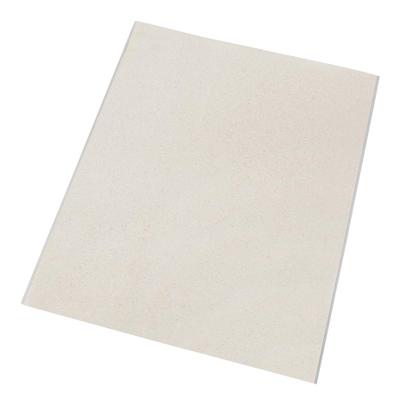
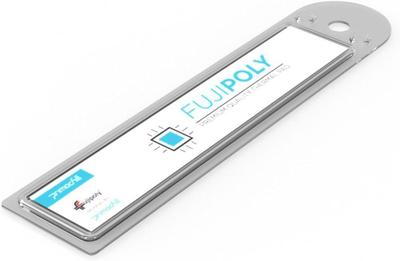
Specs
| Specification |  |  |
|---|---|---|
| Compound Type | Acrylic-Based Pad (non-silicone thermally conductive acrylic polymer) | Silicone-Based Pad |
| Brand | 3M | Fujipoly |
| Model | 5590H | Fujipoly Ultra Extreme XR-m , Ultra Extreme XR-m |
| Thermal Conductivity | 3 W/mK-82% | 17 W/mK |
| Electrical Conductivity | Insulating | Insulating |
| Package Size | Die-cut shapes and rolls (e.g. 25.4 x 25.4 x 0.5mm squares, sold in packs) | 100x15mm and 60x50mm sheets, 0.5/1.0/1.5mm thickness |
| Recommended Use | Mainstream CPU/GPU and general electronics gap filling | High-end CPU/GPU (GPU VRAM/VRM and console cooling) |
| Reapplication Interval | No reapplication needed; self-adhesive one-time application | Long-term stable, not a wear item |
| Safety Notes | Non-conductive acrylic pad; no special handling precautions required | None |
| Paste Segment | Pad | Pad |
Price comparison
| Retailer | 3M Thermally Conductive Acrylic Interface Pad 5590H | Fujipoly Ultra Extreme XR-m |
|---|---|---|
| Amazon | View on Amazon | |
| Newark | View on Newark |
Disclaimer: The price and specification of the given product may differ from the actual product. Please confirm on the retailer's website before buying.
More comparisons in Thermal Paste
- 3M Thermally Conductive Acrylic Interface Pad 5590H vs StarTech.com StarTech SILV5-THERMAL-PASTE
- 3M Thermally Conductive Acrylic Interface Pad 5590H vs EK-Quantum Vector³ RTX 5080/90 Thermal Pad Kit
- 3M Thermally Conductive Acrylic Interface Pad 5590H vs CS Labs (Computer Systems, Greece) CS Labs K5-Pro
- 3M Thermally Conductive Acrylic Interface Pad 5590H vs Thermalright Extreme Odyssey 85x45mm Pad
- 3M Thermally Conductive Acrylic Interface Pad 5590H vs Thermal Grizzly Conductonaut
- 3M Thermally Conductive Acrylic Interface Pad 5590H vs Akasa AK-450 Silver Compound 450 vs Akasa AK-455