
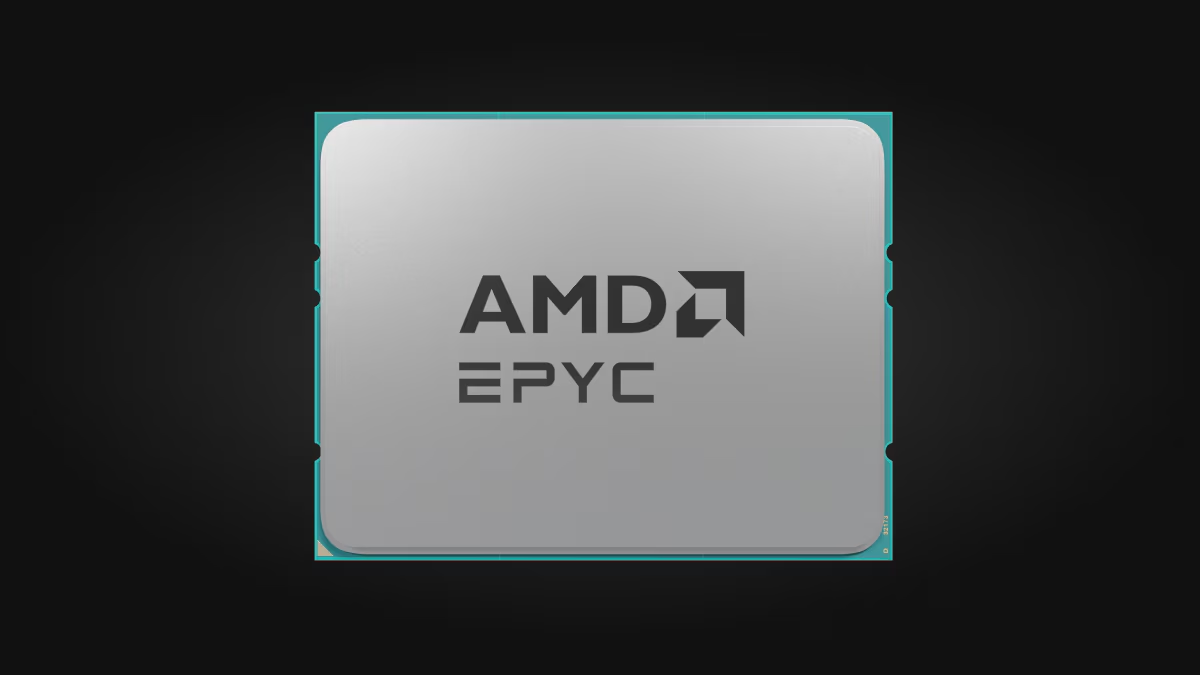
AMD EPYC 7601
- Boost/Base Clock:
- 3.2 GHz / 2.2 GHz
- Core/Thread Count:
- 32 Core / 64 Thread
- Cache:
- 64MB L3 + 16MB L2 + 3MB L1
- TDP:
- 180 Watts
- CPU Process Node:
- 14 Nanometers
- CPU Socket:
- LGA 4094 (SP3)
- CPU Series:
- Zen
- Memory Support:
- DDR4-2666 ECC RDIMM
Consumercarts is reader-supported. Learn more
Disclaimer: The price and specification of the given product may differ from the actual product. Please confirm on the retailer's website before buying.
Manufacturer: AMD Last updated: September 9, 2026
Description
The AMD EPYC 7601 was AMD's original EPYC server flagship, a 32-core, 64-thread first-generation Zen processor running a 2.2 GHz base clock that boosts to 3.2 GHz within a 180 Watt TDP.
As the top-tier chip of AMD's original 2017 EPYC Naples launch, this processor established AMD's genuine return to server competitiveness at the highest core count available in that first generation.
Platform
This server-class chip requires the specialized LGA 4094 (SP3) server socket, typically deployed in dual-socket configurations for data center-scale aggregate core counts.
How Is the EPYC 7601 in Terms of Performance
With 32 cores and 64 threads, this chip was AMD's original EPYC flagship, offering the highest core count available in AMD's first-generation server lineup before the later Zen 2-based Rome generation brought meaningful improvements.
Benchmarks
As AMD's original first-generation EPYC flagship, this chip's per-core performance reflects the more modest ceiling of the original Zen architecture, though its genuine 32-core capability was class-leading for AMD's server lineup at launch.
Specifications
| Form Factor | Server & Enthusiast |
|---|---|
| Brand | AMD |
| Series | EPYC |
| Model Number | 7601 |
| Boost/Base Clock | 3.2 GHz / 2.2 GHz |
| Core/Thread Count | 32 Core / 64 Thread |
| Cache | 64MB L3 + 16MB L2 + 3MB L1 |
| TDP | 180 Watts |
| CPU Process Node | 14 Nanometers |
| CPU Socket | LGA 4094 (SP3) |
| CPU Series | Zen, EPYC 7001 "Naples" |
| Memory Support | DDR4-2666 ECC RDIMM |
Expert Review
Rated by the Consumercarts editorial team, not by users
Best for
- Data center deployments specifically wanting AMD's original first-generation EPYC flagship at the highest available core count
Not for
- Buyers with access to later Rome-generation EPYC chips — those offer meaningfully better per-core performance