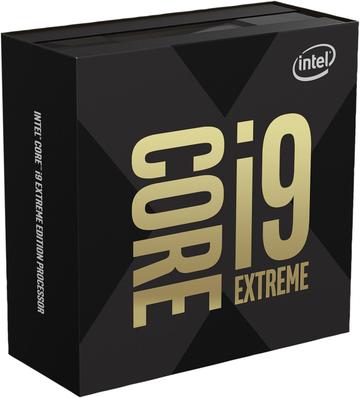
- Core/Thread Count
- 8C / 16T
- Boost/Base Clock
- 4.5 / 3.6 GHz
- Cache
- 11MB

Hardware finder
Server, workstation, and high-end desktop processors compared on cores, clocks, cache, TDP, and platform, Intel Xeon, AMD EPYC, and AMD Threadripper.
Updated October 11, 2026
345 server and HEDT processors from 3 brands.
Consumercarts is reader-supported. Learn more
Showing 345 Server & Enthusiast CPUs found
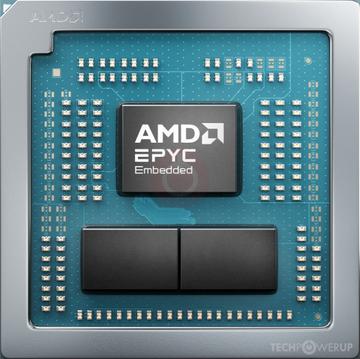
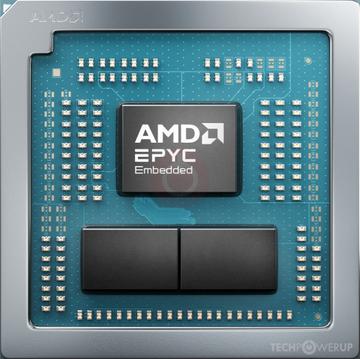
Server, workstation, and high-end desktop processors compared on cores, clocks, cache, TDP, and platform, Intel Xeon, AMD EPYC, and AMD Threadripper.
Server and workstation CPUs are chosen on lanes, memory channels and platform lifespan rather than clock speed. Check socket and chipset support carefully, since these platforms rarely share boards with consumer parts.
Every part here is listed with core and thread count, base and boost clocks, PCIe lane count and generation, memory channels and maximum capacity, TDP and socket, so a 64-core part with eight memory channels is never compared against a desktop chip as though they were the same class.
Core count is usually the wrong first filter. Lanes decide how many GPUs and NVMe drives the platform can carry, and channels decide how much memory bandwidth those cores actually get. The workstation and HEDT tier list ranks Threadripper, Xeon W and EPYC by segment. For desktop parts, see processors.
These platforms are bought for lanes, memory channels and longevity, not for clock speed. Core count is usually the wrong first filter.
Lanes decide how many graphics cards, NVMe drives, HBAs and network cards the board can run at full width. A desktop chip gives you around 20 usable lanes. Workstation and server parts give 64 to 128. If you are building for multiple GPUs or a large NVMe array, lanes are the reason to be on this platform at all.
Eight or twelve channels exist so that many cores are not starved. A 64 core part on four channels spends its time waiting. Check the channel count and the maximum capacity per socket, and whether the board populates every channel.
Server platforms usually require registered ECC memory, which is not interchangeable with desktop modules. Confirm the exact type the board takes before buying either.
Single threaded licensing, CAD, and many simulation packages run on a few cores. A 32 core part at moderate clocks can be slower than a 16 core part at high clocks for that work, and often costs more to license.
These sockets change less often than consumer ones, which is the point. Budget for the board, the ECC memory and the cooling together. The chip is frequently the smaller half of the bill.
Memory channels and PCIe lanes. A desktop CPU typically gives you dual-channel memory and around 20 usable PCIe lanes. Server and workstation parts offer four, eight or twelve memory channels and 64 to 128 lanes, which is what lets them feed many drives, NICs and GPUs at once.
Usually yes. EPYC and Xeon Scalable platforms expect RDIMM or LRDIMM modules and will not post with standard unbuffered desktop memory. Threadripper non-Pro is the common exception and accepts unbuffered ECC or regular UDIMMs.
They can be, but the board and memory are the real cost. A previous-generation Xeon may be cheap while its motherboard is not, and eight channels of registered memory adds up. Price the whole platform before deciding.
Power and thermal budget is shared across all cores. A 64-core part must run each core at a lower voltage and frequency to stay inside its TDP. For lightly threaded work a 16-core part with higher boost often finishes faster.