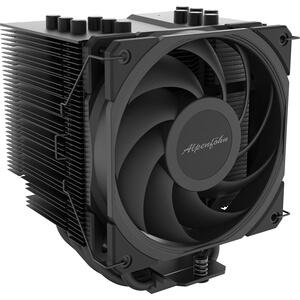
Showing 110 CPU Coolers found
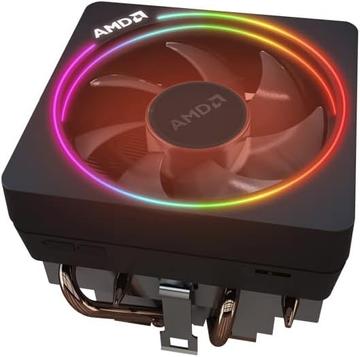
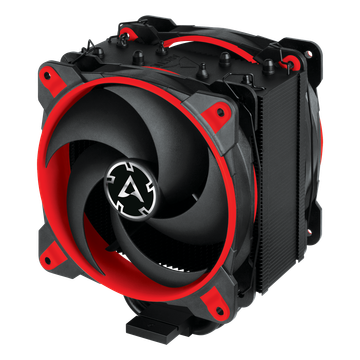
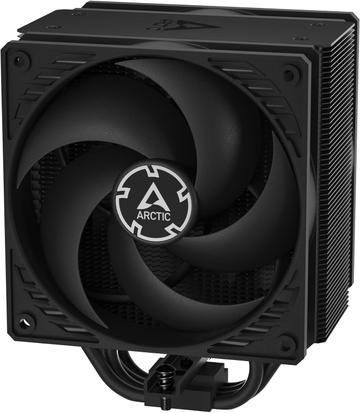
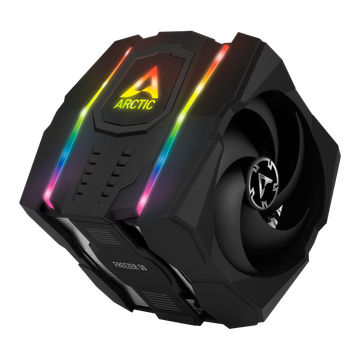
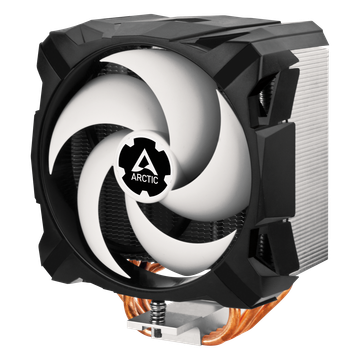
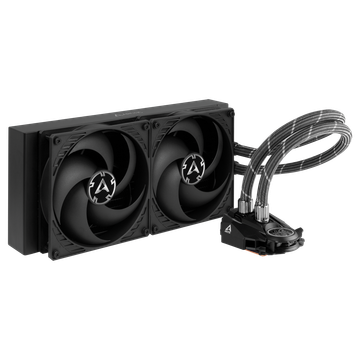
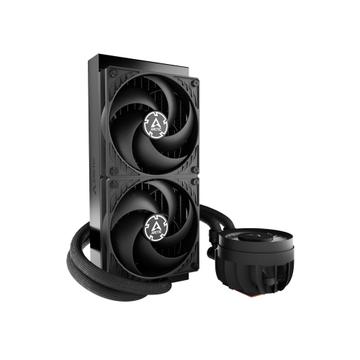
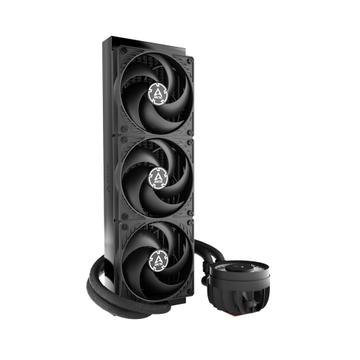
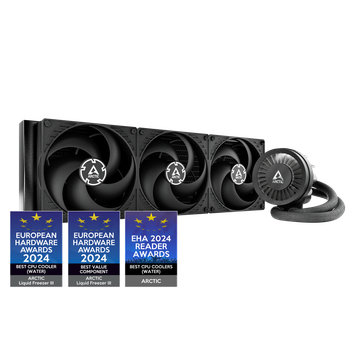
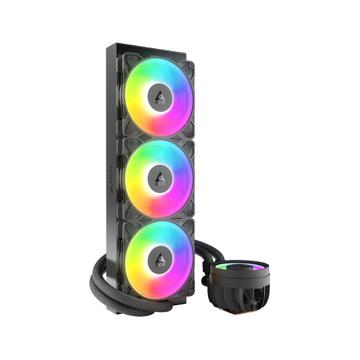
- Cooler Type
- AIO Liquid
- Radiator Size
- 360 mm
$109.99at Best Buy
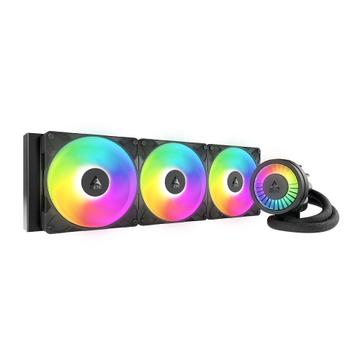
- Cooler Type
- AIO Liquid
- Radiator Size
- 420 mm
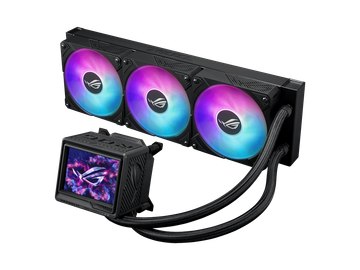
- Cooler Type
- AIO Liquid
- Radiator Size
- 360 mm
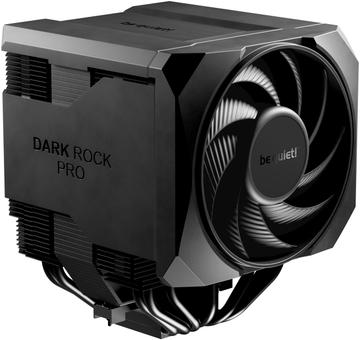

Hardware finder
Compare air and AIO liquid CPU coolers by size, socket support and performance.
Updated October 10, 2026
110 CPU coolers from 27 brands.
Consumercarts is reader-supported. Learn more
Showing 110 CPU Coolers found
$109.99at Best Buy
Compare air and AIO liquid CPU coolers by size, socket support and performance.
Coolers listed by type, physical height or radiator size, supported sockets, rated TDP capacity and noise level.
Height against your case clearance is the check that decides it. Our case clearance guide covers the margins to leave.
Choosing between air and liquid? See air cooling vs AIO. For small builds read best coolers for small form factor cases, and for AIOs check radiator stack height. Popular comparisons: Arctic Liquid Freezer III 360 vs Thermalright Peerless Assassin 120 and Arctic Liquid Freezer III 360 vs Phanteks Glacier One 360D30.
Clearance decides this before performance does. Measure the distance from your motherboard tray to the side panel, then compare it to the cooler's height. An air cooler that is 5mm too tall is simply the wrong cooler however good it is.
A good dual tower air cooler matches a 240mm AIO on most chips and has nothing to fail. Liquid makes sense when you need to move the heat away from a cramped area, when clearance rules out a tall tower, or on high wattage parts where a 360mm radiator genuinely pulls ahead.
A cooler rated for 150W on a 250W processor will not stop the machine working. It will make the chip hold lower clocks. Check the CPU's sustained power draw, not its base TDP, which manufacturers define differently.
Radiator length is only half of it. Total stack height is radiator plus fans, usually 27mm plus 25mm, and that has to clear the motherboard heatsinks and memory when top mounted. Front mounting avoids that but puts warm air into the case.
Confirm the bracket covers your socket. Some coolers need a separate kit for AM5 or LGA1851. A cooler that overhangs the first memory slot forces low profile modules.
Noise figures mean nothing without the speed they were measured at. The quietest fan in a list is often just the slowest. Compare noise at a matched airflow figure instead.
Compare the cooler height against your case CPU cooler clearance and leave at least 5mm. A cooler that clears by 2mm will press against a side panel that bows slightly.
Check the socket list on the product. Most modern coolers ship with mounts for several sockets, but AM5 and LGA1851 support varies, and some older coolers need a separate bracket.
A good dual-tower air cooler matches a 240mm AIO for most processors and has nothing to fail. Liquid wins on high-TDP chips and when you want the heat moved away from the board.
It can. Check the cooler RAM clearance figure against your memory height. Where the maker does not publish one, choose low profile memory.
Check three things in order: it supports your socket, it fits your case (cooler height or radiator position), and its rated TDP covers your processor with some headroom. After that, compare noise and price.