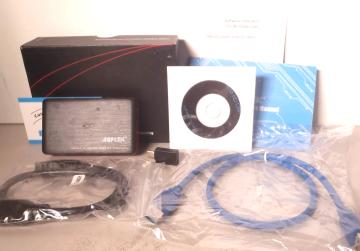
- Form Factor
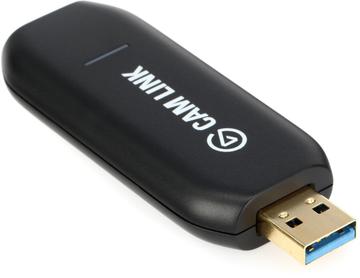
- Camera Dongle
- Connection Type
- USB 3.x (Type-A)
- Max Recording Resolution
- 1080p

Hardware finder
Compare capture cards by form factor, resolution support and connection type.
Updated October 9, 2026
51 capture cards from 19 brands.
Consumercarts is reader-supported. Learn more
Showing 51 Capture Cards found
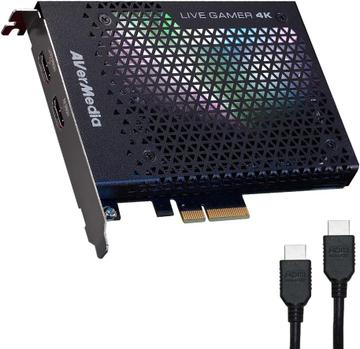
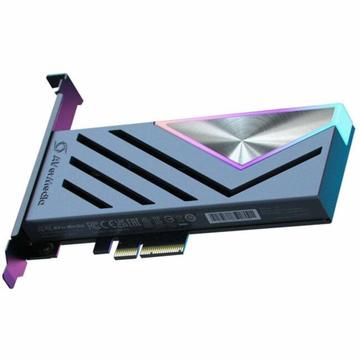
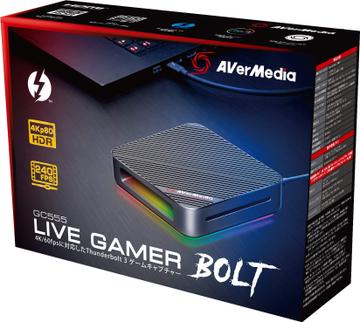
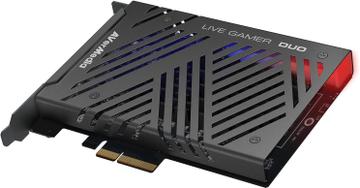
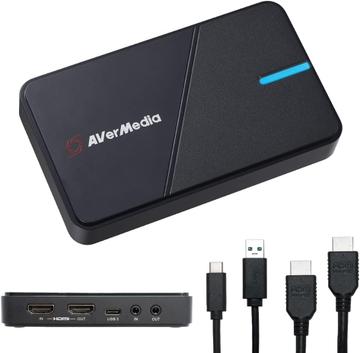
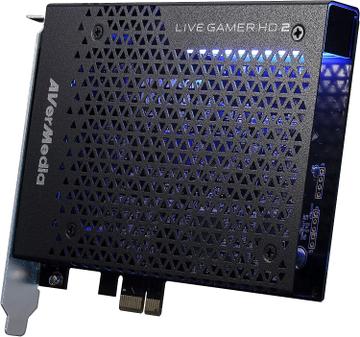
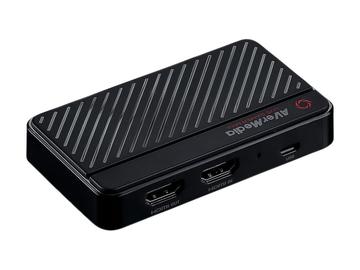
$99.99at Amazon
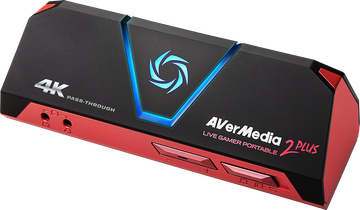
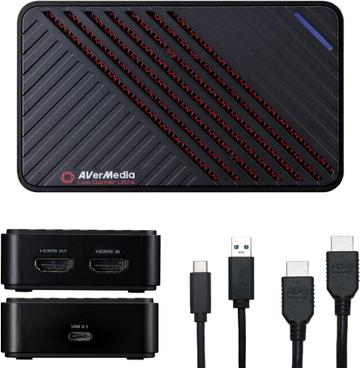
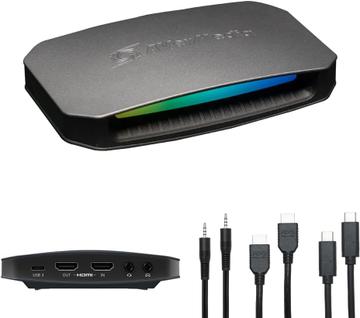
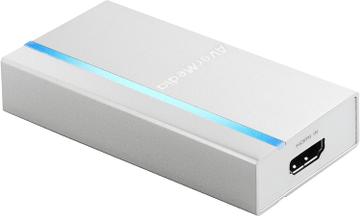
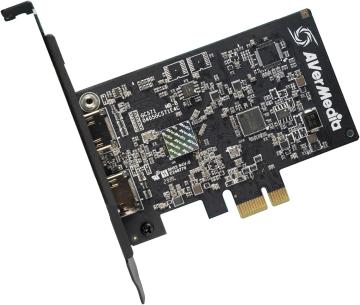
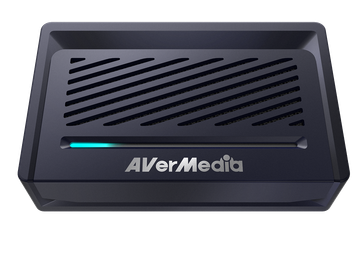
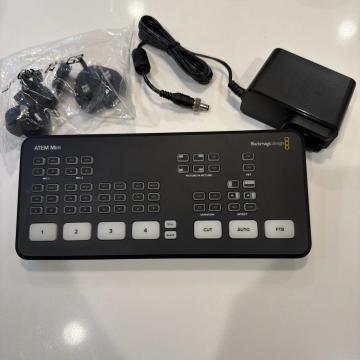
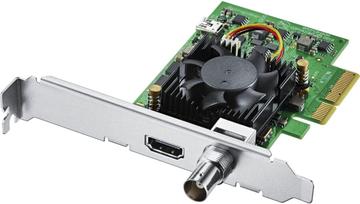
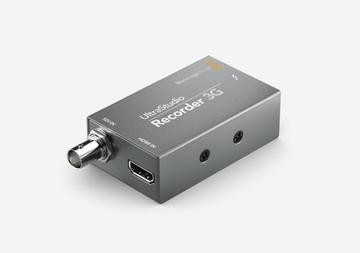
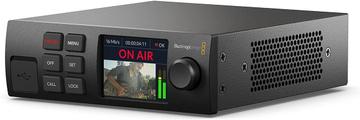
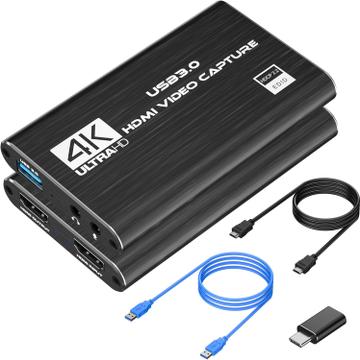
$129.99at Amazon
Compare capture cards by form factor, resolution support and connection type.
Capture specs list two different numbers and people mix them up constantly: what the card can record, and what it can pass through to your monitor. Check both before buying, along with the host interface.
Cards are listed by maximum capture resolution and frame rate, passthrough ceiling, HDR support, host interface, input and output connectors, and whether encoding runs on the card or on your CPU.
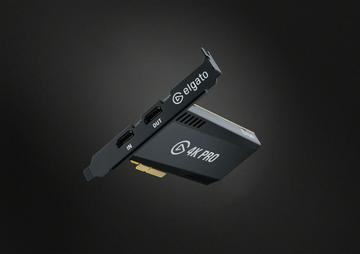
Read passthrough spec vs actual capture resolution before trusting a 4K label, and why a 4K60 HDR card often cannot do both at once. For a first buy, internal vs external is the decision that matters most. Popular comparisons: Elgato 4K Pro vs UGREEN CM477 and AVerMedia Live Gamer Ultra GC553 vs Elgato HD60 S+.
Two numbers get confused constantly: what the card records, and what it passes through to your monitor. A card can pass 4K120 to your screen and record 1080p60. Check both, separately, before buying.
Internal PCIe cards have lower latency and no USB bandwidth limit, and need a free slot in a desktop. External USB cards work with a laptop or a console and are limited by the USB link. For a two machine streaming setup, external is usually the right answer.
USB 3.0 at 5Gbps is enough for 1080p60 uncompressed or 4K30. 4K60 uncompressed needs more, so most 4K60 external cards compress on the card. Plugging a 4K card into a USB 2.0 port silently drops it to a fraction of its capability.
A card advertised as 4K60 HDR often cannot do 4K60 and HDR at the same time, or drops chroma to 4:2:0 when both are enabled. If you play HDR on the passthrough output, confirm the exact combination is supported.
Cards that encode on board take the load off your CPU, which matters on a single machine setup. Cards that hand raw frames to the host give better quality and need a capable CPU or GPU encoder.
Passthrough delay is invisible for talking head recording and very noticeable in fast games if you play on that output. Low single digit milliseconds is fine.
Capture is what gets recorded or streamed. Passthrough is what reaches your display. A card may capture 1080p60 while passing through 4K144, which is exactly what most console and PC streamers want since gameplay stays sharp while the stream stays manageable.
Internal PCIe cards have lower latency and no USB bandwidth limits, which suits a dedicated streaming PC. External USB cards are portable, work with laptops, and are easier to move between setups. For a single PC setup, internal is usually the better performer.
No. Software encoding, or NVENC and AV1 on the GPU, handles single PC streaming fine. Capture cards matter for consoles, cameras, or a two PC setup where you want the gaming machine free of encoding load.
Almost always HDCP. Consoles protect video from streaming apps, so you need to disable HDCP in the console settings where possible. Check the HDMI cable too, since older high speed cables can fail at 4K high refresh.