
Consumercarts is reader-supported. Learn more
Alseye Halo D-RGB vs Lian Li UNI FAN AL120: Comparison
Alseye Halo D-RGB vs Lian Li UNI FAN AL120 static pressure compared
The gap that matters here is static pressure: Alseye Halo D-RGB 1.9 mmH2O against Lian Li UNI FAN AL120 2.62 mmH2O, which puts Lian Li UNI FAN AL120 27% ahead. Add airflow to that, 56.0 CFM on the Alseye Halo D-RGB versus 64.5 CFM on the Lian Li UNI FAN AL120, and the pattern holds. They differ on connector too, 4-pin PWM + 3-pin ARGB on the Alseye Halo D-RGB versus Daisy-chain + PWM on the Lian Li UNI FAN AL120. Positioning is not the same on both, Budget on the Alseye Halo D-RGB versus Mainstream on the Lian Li UNI FAN AL120. They differ on colors too, Black on the Alseye Halo D-RGB versus Black/White on the Lian Li UNI FAN AL120.
Alseye Halo D-RGB vs Lian Li UNI FAN AL120: which one fits your build
The Alseye Halo D-RGB suits budget ARGB fill-in fans and matching Alseye AIO cooler builds, though it is the wrong buy for high static pressure radiator duty and premium quiet builds. Buy the Lian Li UNI FAN AL120 for front intake behind dense dust filters and multi-fan ARGB builds wanting more airflow than the SL120, though it is not built for noise-sensitive builds (SL120 is quieter) and single-fan installs. Our rating of the Alseye Halo D-RGB (5/10): A budget ARGB fan good enough for filling out a case cheaply, not a fan you buy for standout performance. Our rating of the Lian Li UNI FAN AL120 (9/10): the higher-output half of Lian Li's daisy-chain ARGB duo, best behind restrictive front-panel filters.
Frequently asked questions
Do the Alseye Halo D-RGB and Lian Li UNI FAN AL120 differ on noise level?
Yes. Noise Level reads 27.0 dBA on the Alseye Halo D-RGB versus 28.3 dBA on the Lian Li UNI FAN AL120.
Is the Fan Size the same on the Alseye Halo D-RGB and Lian Li UNI FAN AL120?
It is. Both are listed at 120 mm, so it is not a reason to pick one over the other.

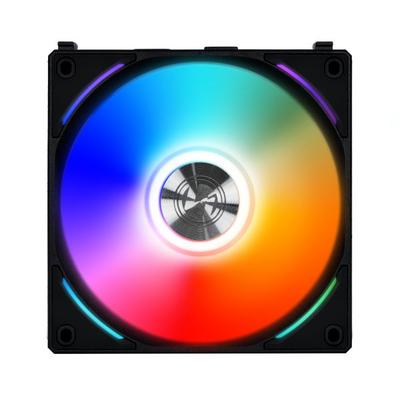
Specs and benchmarks
Fan Size
- Alseye Halo D-RGB
- 120 mm
- Lian Li UNI FAN AL120
- 120 mm
Brand
- Alseye Halo D-RGB
- Alseye
- Lian Li UNI FAN AL120
- Lian Li
Model
- Alseye Halo D-RGB
- Halo D-RGB 120
- Lian Li UNI FAN AL120
- UNI FAN AL120
Bearing Type
- Alseye Halo D-RGB
- Hydraulic
- Lian Li UNI FAN AL120
- Fluid Dynamic
Lighting
- Alseye Halo D-RGB
- ARGB
- Lian Li UNI FAN AL120
- ARGB
Static Pressure
- Alseye Halo D-RGB
- 1.9 mmH2O-27%
- Lian Li UNI FAN AL120
- 2.62 mmH2OBest
Max Speed
- Alseye Halo D-RGB
- 1800 RPM-5%
- Lian Li UNI FAN AL120
- 1900 RPMBest
Airflow
- Alseye Halo D-RGB
- 56.0 CFM-13%
- Lian Li UNI FAN AL120
- 64.5 CFMBest
Noise Level
- Alseye Halo D-RGB
- 27.0 dBABest
- Lian Li UNI FAN AL120
- 28.3 dBA
PWM Control
- Alseye Halo D-RGB
- Yes
- Lian Li UNI FAN AL120
- Yes
Positioning
- Alseye Halo D-RGB
- Budget
- Lian Li UNI FAN AL120
- Mainstream
Connector
- Alseye Halo D-RGB
- 4-pin PWM + 3-pin ARGB
- Lian Li UNI FAN AL120
- Daisy-chain + PWM
Colors
- Alseye Halo D-RGB
- Black
- Lian Li UNI FAN AL120
- Black/White


Which one should you pick?
Choose Alseye Halo D-RGB if you want the lower noise level (27.0 dBA vs 28.3 dBA).
Choose Lian Li UNI FAN AL120 if you want the higher static pressure (2.62 mmH2O vs 1.9 mmH2O), the higher max speed (1900 RPM vs 1800 RPM) and the higher airflow (64.5 CFM vs 56.0 CFM).
Price comparison
| Retailer | Alseye Halo D-RGB | Lian Li UNI FAN AL120 |
|---|---|---|
| Alseye | View on Alseye | |
| Amazon | View on Amazon |
Disclaimer: The price and specification of the given product may differ from the actual product. Please confirm on the retailer's website before buying.
Verdict
Alseye Halo D-RGB
5 / 10 Expert Rating
A budget ARGB fan good enough for filling out a case cheaply, not a fan you buy for standout performance.
Lian Li UNI FAN AL120
9 / 10 Expert Rating
The higher-output half of Lian Li's daisy-chain ARGB duo, best behind restrictive front-panel filters.