
Consumercarts is reader-supported. Learn more
EKWB EK-Vardar EVO 120ER vs Thermalright TL-B12: Comparison
EKWB EK-Vardar EVO 120ER vs Thermalright TL-B12: the airflow difference
The gap that matters here is airflow: EKWB EK-Vardar EVO 120ER 77 CFM against Thermalright TL-B12 69 CFM, which puts EKWB EK-Vardar EVO 120ER 10% ahead. They differ on bearing type too, Ball on the EKWB EK-Vardar EVO 120ER versus Fluid Dynamic on the Thermalright TL-B12. Fan thickness is not the same on both, 25 mm on the EKWB EK-Vardar EVO 120ER versus 25.6 mm on the Thermalright TL-B12. They differ on bearing marketing name too, Dual-Ball on the EKWB EK-Vardar EVO 120ER versus S-FDB on the Thermalright TL-B12. Positioning is not the same on both, Performance on the EKWB EK-Vardar EVO 120ER versus Value non-RGB on the Thermalright TL-B12.
Who each one is for
The EKWB EK-Vardar EVO 120ER is the one to take for dense custom-loop radiators and extreme overclocking rigs, though it is not the pick for quiet or daily-use builds and case intake/exhaust duty. The Thermalright TL-B12 suits budget builds that specifically want no RGB and filtered intake or radiator duty on a budget, though it is the wrong buy for showcase builds wanting lighting and ultra-quiet-first priorities. Our rating of the EKWB EK-Vardar EVO 120ER (8/10): an extreme, loud, purpose-built radiator fan for the densest custom loops, overkill for anything less. Our rating of the Thermalright TL-B12 (8/10): excellent value for a non-RGB static-pressure fan, undercutting pricier options with little real performance loss.
Where the two are identical
Everything else lines up. Fan size, connector type, lighting and pwm control read the same on both, so those are not worth weighing.
Frequently asked questions
Do the EKWB EK-Vardar EVO 120ER and Thermalright TL-B12 differ on static pressure?
Yes. Static Pressure reads 3.16 mmH2O on the EKWB EK-Vardar EVO 120ER versus 2.87 mmH2O on the Thermalright TL-B12.

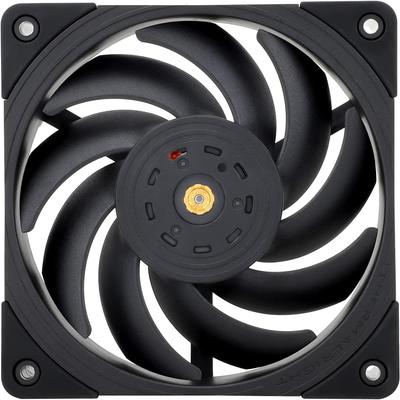
Specs and benchmarks
Fan Size
- EKWB EK-Vardar EVO 120ER
- 120 mm
- Thermalright TL-B12
- 120 mm
Brand
- EKWB EK-Vardar EVO 120ER
- EKWB
- Thermalright TL-B12
- Thermalright
Model
- EKWB EK-Vardar EVO 120ER
- Vardar EVO 120ER
- Thermalright TL-B12
- TL-B12
Bearing Type
- EKWB EK-Vardar EVO 120ER
- Ball
- Thermalright TL-B12
- Fluid Dynamic
Lighting
- EKWB EK-Vardar EVO 120ER
- No RGB
- Thermalright TL-B12
- No RGB
Fan Thickness
- EKWB EK-Vardar EVO 120ER
- 25 mm
- Thermalright TL-B12
- 25.6 mm
Static Pressure
- EKWB EK-Vardar EVO 120ER
- 3.16 mmH2OBest
- Thermalright TL-B12
- 2.87 mmH2O-9%
Max Speed
- EKWB EK-Vardar EVO 120ER
- 2200 RPMBest
- Thermalright TL-B12
- 2150 RPM-2%
Airflow
- EKWB EK-Vardar EVO 120ER
- 77 CFMBest
- Thermalright TL-B12
- 69 CFM-10%
Noise Level
- EKWB EK-Vardar EVO 120ER
- 33.5 dBA
- Thermalright TL-B12
- 28.1 dBABest
PWM Control
- EKWB EK-Vardar EVO 120ER
- Yes
- Thermalright TL-B12
- Yes
Bearing Marketing Name
- EKWB EK-Vardar EVO 120ER
- Dual-Ball
- Thermalright TL-B12
- S-FDB
Connector Type
- EKWB EK-Vardar EVO 120ER
- 4-Pin PWM
- Thermalright TL-B12
- 4-Pin PWM
Positioning
- EKWB EK-Vardar EVO 120ER
- Performance
- Thermalright TL-B12
- Value non-RGB


Which one should you pick?
Choose EKWB EK-Vardar EVO 120ER if you want the higher static pressure (3.16 mmH2O vs 2.87 mmH2O), the higher max speed (2200 RPM vs 2150 RPM) and the higher airflow (77 CFM vs 69 CFM).
Choose Thermalright TL-B12 if you want the lower noise level (28.1 dBA vs 33.5 dBA).
Price comparison
| Retailer | EKWB EK-Vardar EVO 120ER | Thermalright TL-B12 |
|---|---|---|
| EKWB | View on EKWB | |
| Amazon | View on Amazon |
Disclaimer: The price and specification of the given product may differ from the actual product. Please confirm on the retailer's website before buying.
Verdict
EKWB EK-Vardar EVO 120ER
8 / 10 Expert Rating
An extreme, loud, purpose-built radiator fan for the densest custom loops, overkill for anything less.
Thermalright TL-B12
8 / 10 Expert Rating
Excellent value for a non-RGB static-pressure fan, undercutting pricier options with little real performance loss.