
Consumercarts is reader-supported. Learn more
Fantech Aria XD7 vs Razer Naga Trinity: Comparison
What is the difference between Fantech Aria XD7 and Razer Naga Trinity?
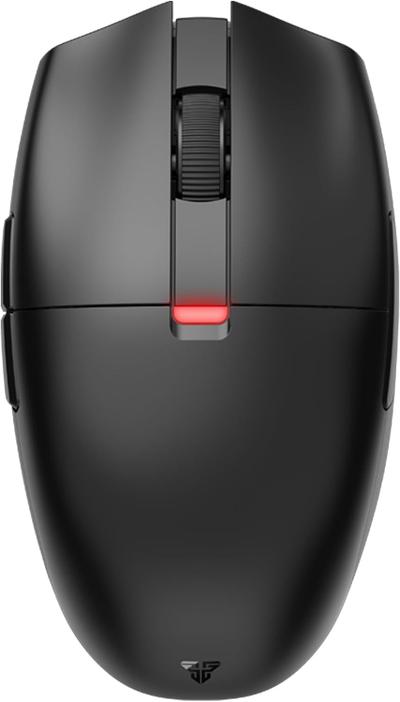
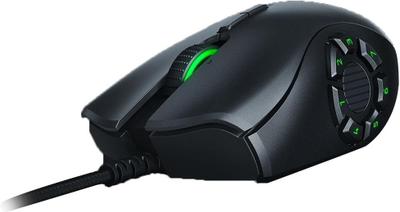
The gap that matters here is weight: Fantech Aria XD7 54 g against Razer Naga Trinity 120 g, which puts Fantech Aria XD7 122% ahead. Polling rate runs the same way, 4000 Hz on the Fantech Aria XD7 versus 1000 Hz on the Razer Naga Trinity, another win for Fantech Aria XD7. Buttons runs the same way, 5 on the Fantech Aria XD7 versus 19 on the Razer Naga Trinity, another win for Razer Naga Trinity.
Who each one is for
The Fantech Aria XD7 is the one to take for budget buyers who want flagship-tier sensor specs and ambidextrous grip users wanting a light symmetrical shell, though it is not the pick for buyers who prioritize build quality and brand support over specs and anyone who wants RGB lighting. The Razer Naga Trinity suits multi-genre gamers wanting one mouse for FPS, MOBA, and MMO and fans of physically swappable button layouts, though it is the wrong buy for left-handed users and players wanting a wireless MMO mouse. It is equally the pick for right-handed users on a budget vs. flagship MMO mice. Our rating of the Fantech Aria XD7 (7/10): impressive specs-per-dollar for a lightweight wireless mouse, with build quality being the main tradeoff against pricier brands. Our rating of the Razer Naga Trinity (7/10): an older design, but the swappable side-plate concept remains genuinely useful for multi-genre players on a budget.
Frequently asked questions
Do the Fantech Aria XD7 and Razer Naga Trinity differ on sensor model?
Yes. Sensor Model reads PixArt PAW3395 on the Fantech Aria XD7 versus Razer 5G Optical, up to 16,000 DPI on the Razer Naga Trinity.
Specs and benchmarks
Brand
- Fantech Aria XD7
- Fantech
- Razer Naga Trinity
- Razer
Connectivity
- Fantech Aria XD7
- Wireless 2.4G
- Razer Naga Trinity
- Wired
Grip Type
- Fantech Aria XD7
- Ambidextrous
- Razer Naga Trinity
- Right-Handed
Model
- Fantech Aria XD7
- Aria XD7
- Razer Naga Trinity
- Naga Trinity
Shape
- Fantech Aria XD7
- Symmetrical
- Razer Naga Trinity
- Ergonomic
Sensor Model
- Fantech Aria XD7
- PixArt PAW3395
- Razer Naga Trinity
- Razer 5G Optical, up to 16,000 DPI
Sensor Tier
- Fantech Aria XD7
- Flagship
- Razer Naga Trinity
- Mid-High
Buttons
- Fantech Aria XD7
- 5-74%
- Razer Naga Trinity
- 19Best
Polling Rate
- Fantech Aria XD7
- 4000 HzBest
- Razer Naga Trinity
- 1000 Hz-75%
Weight
- Fantech Aria XD7
- 54 gBest
- Razer Naga Trinity
- 120 g-122%
Switch Type
- Fantech Aria XD7
- Magnetic
- Razer Naga Trinity
- Mechanical, rated 50 million clicks

Which one should you pick?
Choose Fantech Aria XD7 if you want the higher polling rate (4000 Hz vs 1000 Hz) and the lower weight (54 g vs 120 g).
Choose Razer Naga Trinity if you want the higher buttons (19 vs 5).
Price comparison
| Retailer | Fantech Aria XD7 | Razer Naga Trinity |
|---|---|---|
| Amazon | View on Amazon |
Disclaimer: The price and specification of the given product may differ from the actual product. Please confirm on the retailer's website before buying.
Verdict
Fantech Aria XD7
7 / 10 Expert Rating
Impressive specs-per-dollar for a lightweight wireless mouse, with build quality being the main tradeoff against pricier brands.
Razer Naga Trinity
7 / 10 Expert Rating
An older design, but the swappable side-plate concept remains genuinely useful for multi-genre players on a budget.