
Consumercarts is reader-supported. Learn more
Intel Acer Predator BiFrost OC Arc A770 vs AMD Radeon PRO W7500: Comparison
What is the difference between Intel Acer Predator BiFrost OC Arc A770 and AMD Radeon PRO W7500?
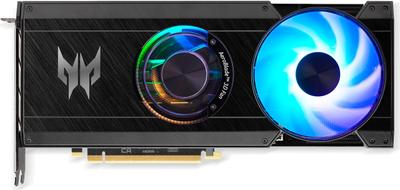
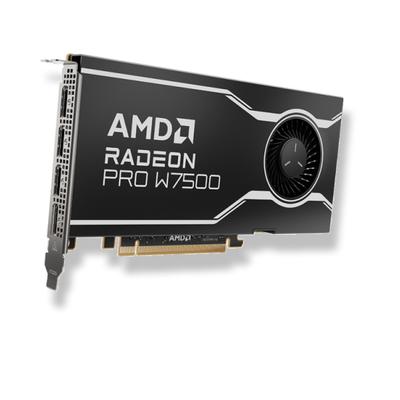
The gap that matters here is tdp: Intel Acer Predator BiFrost OC Arc A770 225 W against AMD Radeon PRO W7500 70 W, which puts AMD Radeon PRO W7500 221% ahead. Intel Acer Predator BiFrost OC Arc A770 also leads on vram, 16 GB on the Intel Acer Predator BiFrost OC Arc A770 versus 8 GB on the AMD Radeon PRO W7500. AMD Radeon PRO W7500 also leads on slot width, 2.5 on the Intel Acer Predator BiFrost OC Arc A770 versus 1 on the AMD Radeon PRO W7500. Add card length to that, 280 mm on the Intel Acer Predator BiFrost OC Arc A770 versus 167 mm on the AMD Radeon PRO W7500, and the pattern holds.
Intel Acer Predator BiFrost OC Arc A770 vs AMD Radeon PRO W7500: which one fits your build
The Intel Acer Predator BiFrost OC Arc A770 is the one to take for gamers targeting the resolution this mainstream tier is built for, though it is not built for 4K/high-refresh gamers if this card's tier sits below High-End. It also earns its place with builders who want 16GB of VRAM without moving up a tier. It is not the one for buyers who need the absolute best price-to-performance and should compare street prices first. The AMD Radeon PRO W7500 suits small-form-factor workstations needing AV1 hardware encode and basic CAD and 2D/3D content creation on a budget, though it is not the pick for CUDA-dependent professional 3D software and heavy rendering or simulation workloads.
Frequently asked questions
Do the Intel Acer Predator BiFrost OC Arc A770 and AMD Radeon PRO W7500 differ on boost clock?
Yes. Boost Clock reads 2200 MHz on the Intel Acer Predator BiFrost OC Arc A770 versus 2260 MHz on the AMD Radeon PRO W7500.
Is the Memory Type the same on the Intel Acer Predator BiFrost OC Arc A770 and AMD Radeon PRO W7500?
It is. Both are listed at GDDR6, so it is not a reason to pick one over the other.
Specs and benchmarks
GPU Brand
- Intel Acer Predator BiFrost OC Arc A770
- Intel
- AMD Radeon PRO W7500
- AMD
Series
- Intel Acer Predator BiFrost OC Arc A770
- Arc Alchemist
- AMD Radeon PRO W7500
- Radeon RX 7000
Board Partner
- Intel Acer Predator BiFrost OC Arc A770
- Acer
- AMD Radeon PRO W7500
- AMD Reference
VRAM
- Intel Acer Predator BiFrost OC Arc A770
- 16 GBBest
- AMD Radeon PRO W7500
- 8 GB-50%
Tier
- Intel Acer Predator BiFrost OC Arc A770
- Mainstream
- AMD Radeon PRO W7500
- Entry (Workstation)
Memory Type
- Intel Acer Predator BiFrost OC Arc A770
- GDDR6
- AMD Radeon PRO W7500
- GDDR6
Boost Clock
- Intel Acer Predator BiFrost OC Arc A770
- 2200 MHz-3%
- AMD Radeon PRO W7500
- 2260 MHzBest
Ray Tracing Support
- Intel Acer Predator BiFrost OC Arc A770
- Yes
- AMD Radeon PRO W7500
- Yes
TDP
- Intel Acer Predator BiFrost OC Arc A770
- 225 W-221%
- AMD Radeon PRO W7500
- 70 WBest
Architecture
- Intel Acer Predator BiFrost OC Arc A770
- Xe-HPG Alchemist (ACM-G10)
- AMD Radeon PRO W7500
- RDNA 3
Card Length
- Intel Acer Predator BiFrost OC Arc A770
- 280 mm-68%
- AMD Radeon PRO W7500
- 167 mmBest
Slot Width
- Intel Acer Predator BiFrost OC Arc A770
- 2.5-150%
- AMD Radeon PRO W7500
- 1Best


Which one should you pick?
Choose Intel Acer Predator BiFrost OC Arc A770 if you want the higher VRAM (16 GB vs 8 GB).
Choose AMD Radeon PRO W7500 if you want the higher boost clock (2260 MHz vs 2200 MHz), the lower TDP (70 W vs 225 W) and the lower card length (167 mm vs 280 mm).
Price comparison
| Retailer | Intel Acer Predator BiFrost OC Arc A770 | AMD Radeon PRO W7500 |
|---|---|---|
| Newegg | $349.00 View on Newegg |
Disclaimer: The price and specification of the given product may differ from the actual product. Please confirm on the retailer's website before buying.
Verdict
Intel Acer Predator BiFrost OC Arc A770
7 / 10 Expert Rating
A solid mainstream pick if its price and 16GB VRAM allocation match your target resolution.
AMD Radeon PRO W7500
6.8 / 10 Expert Rating
A strong entry-level workstation pick if AV1 encode or DisplayPort 2.1 output matter to your workflow; CUDA-dependent software users should still lean NVIDIA.