
Consumercarts is reader-supported. Learn more
AMD ASUS TUF Gaming OC Radeon RX 6800 XT vs NVIDIA Gainward Phantom GS GeForce RTX 5080: Comparison
What is the difference between AMD ASUS TUF Gaming OC Radeon RX 6800 XT and NVIDIA Gainward Phantom GS GeForce RTX?
On boost clock the spread is 11%, AMD ASUS TUF Gaming OC Radeon RX 6800 XT 2340 MHz against NVIDIA Gainward Phantom GS GeForce RTX 2640 MHz, so NVIDIA Gainward Phantom GS GeForce RTX takes it. The benchmark result agrees. Blender Cycles (GPU) puts NVIDIA Gainward Phantom GS GeForce RTX 74% ahead, 9,138 against 2,406 over 1429 runs.
AMD ASUS TUF Gaming OC Radeon RX 6800 XT vs NVIDIA Gainward Phantom GS GeForce RTX: which one fits your build
Buy the AMD ASUS TUF Gaming OC Radeon RX 6800 XT for gamers targeting the resolution this high-end tier is built for, though it is not the pick for 4K/high-refresh gamers if this card's tier sits below High-End. The same goes for builders who want 16GB of VRAM without moving up a tier. Avoid it for buyers who need the absolute best price-to-performance and should compare street prices first. Take the NVIDIA Gainward Phantom GS GeForce RTX for 1440p 144Hz+ gaming and ray tracing enthusiasts wanting near-5090 performance without the flagship price. It is equally the pick for buyers in European and Asian markets where Gainward has established retail distribution. It is not the one for value-conscious buyers, doesn't clearly justify the price step up over the RTX 5070 Ti for most buyers. Our rating of the AMD ASUS TUF Gaming OC Radeon RX 6800 XT (8/10): A solid high-end pick if its price and 16GB VRAM allocation match your target resolution.
Which is cheaper, AMD ASUS TUF Gaming OC Radeon RX 6800 XT or NVIDIA Gainward Phantom GS GeForce RTX?
The NVIDIA Gainward Phantom GS GeForce RTX asks 54% more, $999 against $649 for the AMD ASUS TUF Gaming OC Radeon RX 6800 XT.
Frequently asked questions
Do the AMD ASUS TUF Gaming OC Radeon RX 6800 XT and NVIDIA Gainward Phantom GS GeForce RTX differ on card length?
Yes. Card Length reads 320 mm on the AMD ASUS TUF Gaming OC Radeon RX 6800 XT versus 336mm x 138mm, 3-slot on the NVIDIA Gainward Phantom GS GeForce RTX.
Is the Ray Tracing Support the same on the AMD ASUS TUF Gaming OC Radeon RX 6800 XT and NVIDIA Gainward Phantom GS GeForce RTX?
It is. Both are listed at Yes, so it is not a reason to pick one over the other.
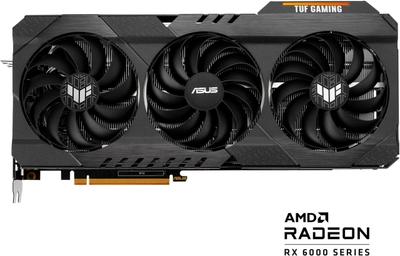
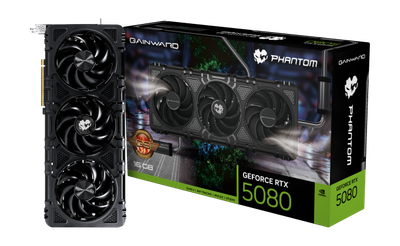
Specs and benchmarks
GPU Brand
- AMD ASUS TUF Gaming OC Radeon RX 6800 XT
- AMD
- NVIDIA Gainward Phantom GS GeForce RTX 5080
- NVIDIA
Series
- AMD ASUS TUF Gaming OC Radeon RX 6800 XT
- Radeon RX 6000
- NVIDIA Gainward Phantom GS GeForce RTX 5080
- GeForce RTX 50
Board Partner
- AMD ASUS TUF Gaming OC Radeon RX 6800 XT
- ASUS
- NVIDIA Gainward Phantom GS GeForce RTX 5080
- Gainward
VRAM
- AMD ASUS TUF Gaming OC Radeon RX 6800 XT
- 16 GB
- NVIDIA Gainward Phantom GS GeForce RTX 5080
- 16 GB
Tier
- AMD ASUS TUF Gaming OC Radeon RX 6800 XT
- High End
- NVIDIA Gainward Phantom GS GeForce RTX 5080
- High-End
Memory Type
- AMD ASUS TUF Gaming OC Radeon RX 6800 XT
- GDDR6
- NVIDIA Gainward Phantom GS GeForce RTX 5080
- GDDR7Best
Boost Clock
- AMD ASUS TUF Gaming OC Radeon RX 6800 XT
- 2340 MHz-11%
- NVIDIA Gainward Phantom GS GeForce RTX 5080
- 2640 MHzBest
Ray Tracing Support
- AMD ASUS TUF Gaming OC Radeon RX 6800 XT
- Yes
- NVIDIA Gainward Phantom GS GeForce RTX 5080
- Yes
Architecture
- AMD ASUS TUF Gaming OC Radeon RX 6800 XT
- RDNA 2
- NVIDIA Gainward Phantom GS GeForce RTX 5080
- Blackwell (GB203)
Card Length
- AMD ASUS TUF Gaming OC Radeon RX 6800 XT
- 320 mmBest
- NVIDIA Gainward Phantom GS GeForce RTX 5080
- 336mm x 138mm, 3-slot
Slot Width
- AMD ASUS TUF Gaming OC Radeon RX 6800 XT
- 3
- NVIDIA Gainward Phantom GS GeForce RTX 5080
- 3
Shader Units
- AMD ASUS TUF Gaming OC Radeon RX 6800 XT
- 4608
- NVIDIA Gainward Phantom GS GeForce RTX 5080
- 10752
MSRP
- AMD ASUS TUF Gaming OC Radeon RX 6800 XT
- $649
- NVIDIA Gainward Phantom GS GeForce RTX 5080
- $999
Benchmarks
- 3D Rendering
Blender Cycles (GPU)
- AMD ASUS TUF Gaming OC Radeon RX 6800 XT
- 2,406-74%
- NVIDIA Gainward Phantom GS GeForce RTX 5080
- 9,138Best
Blender 4.5, Blender Open Data (CC0). Median of monster + junkshop + classroom, combined samples/min.
Renders a 3D scene on the graphics card. Shows speed in Blender and similar 3D apps, not in games.


Which one should you pick?
Choose AMD ASUS TUF Gaming OC Radeon RX 6800 XT if you want the higher VRAM (16 GB vs 16 GB), the lower card length (320 mm vs 336mm x 138mm, 3-slot) and the lower slot width (3 vs 3).
Choose NVIDIA Gainward Phantom GS GeForce RTX 5080 if you want the higher boost clock (2640 MHz vs 2340 MHz) and the higher blender cycles (GPU) (9,138 vs 2,406).
Price comparison
| Retailer | AMD ASUS TUF Gaming OC Radeon RX 6800 XT | NVIDIA Gainward Phantom GS GeForce RTX 5080 |
|---|---|---|
| Amazon | $649.00 View on Amazon | |
| Newegg | View on Newegg | |
| Consumercarts listing | $999.00 View on Consumercarts listing |
Disclaimer: The price and specification of the given product may differ from the actual product. Please confirm on the retailer's website before buying.
Verdict
AMD ASUS TUF Gaming OC Radeon RX 6800 XT
8 / 10 Expert Rating
A solid high-end pick if its price and 16GB VRAM allocation match your target resolution.
NVIDIA Gainward Phantom GS GeForce RTX 5080
8 / 10 Expert Rating
A capable high-end 5080 continuing Gainward's Phantom cooling line, best suited to buyers in the European and Asian markets where Gainward is well distributed.