
Consumercarts is reader-supported. Learn more
Intel Core Ultra 5 236V vs Intel Core Ultra 5 238V: Comparison
What Core Ultra 5 236V and Core Ultra 5 238V have in common
The common ground is wider than the gap: total cores, performance cores, efficiency cores, total threads and p-core boost clock are identical here. They match on 15 further specifications as well.
Core Ultra 5 236V vs Core Ultra 5 238V: which one fits your build
The Core Ultra 5 236V is the one to take for Ultra-thin and light laptops and all-day battery life, though it is the wrong buy for heavy sustained multi-core workloads and gaming laptops. Buy the Core Ultra 5 238V for Ultra-thin and light laptops and all-day battery life, though it is not the pick for heavy sustained multi-core workloads and gaming laptops. Our rating of the Core Ultra 5 236V (8.9/10): the Intel Core Ultra 5 236V is a non-vPro Lunar Lake variant built for consumer ultra-thin laptops prioritizing battery life. Our rating of the Core Ultra 5 238V (9/10): the Intel Core Ultra 5 238V is the top vPro Enterprise Lunar Lake Core Ultra 5 chip, suited to enterprise ultra-thin laptops needing maximum manageability.
Frequently asked questions
Is the P-Core Base Clock the same on the Core Ultra 5 236V and Core Ultra 5 238V?
It is. Both are listed at 2.1 GHz, so it is not a reason to pick one over the other.
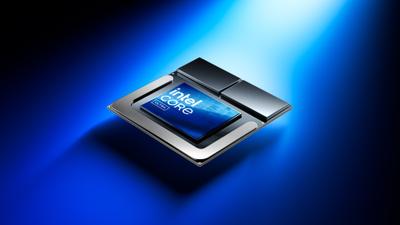
Specs and benchmarks
Form Factor
- Intel Core Ultra 5 236V
- Laptop
- Intel Core Ultra 5 238V
- Laptop
Codename
- Intel Core Ultra 5 236V
- Lunar Lake
- Intel Core Ultra 5 238V
- Lunar Lake
Release Year
- Intel Core Ultra 5 236V
- 2024
- Intel Core Ultra 5 238V
- 2024
TDP
- Intel Core Ultra 5 236V
- 17 W
- Intel Core Ultra 5 238V
- 17 W
iGPU
- Intel Core Ultra 5 236V
- Intel Arc 130V GPU
- Intel Core Ultra 5 238V
- Intel Arc 130V GPU
Market Segment
- Intel Core Ultra 5 236V
- Laptop
- Intel Core Ultra 5 238V
- Laptop
Microarchitecture
- Intel Core Ultra 5 236V
- Lunar Lake
- Intel Core Ultra 5 238V
- Lunar Lake
Socket
- Intel Core Ultra 5 236V
- FCBGA2833
- Intel Core Ultra 5 238V
- FCBGA2833
Process Node
- Intel Core Ultra 5 236V
- 3 nm
- Intel Core Ultra 5 238V
- 3 nm
Total Cores
- Intel Core Ultra 5 236V
- 8
- Intel Core Ultra 5 238V
- 8
Performance Cores
- Intel Core Ultra 5 236V
- 4
- Intel Core Ultra 5 238V
- 4
Efficiency Cores
- Intel Core Ultra 5 236V
- 4
- Intel Core Ultra 5 238V
- 4
Total Threads
- Intel Core Ultra 5 236V
- 8
- Intel Core Ultra 5 238V
- 8
SMT Enabled
- Intel Core Ultra 5 236V
- No
- Intel Core Ultra 5 238V
- No
P-Core Base Clock
- Intel Core Ultra 5 236V
- 2.1 GHz
- Intel Core Ultra 5 238V
- 2.1 GHz
P-Core Boost Clock
- Intel Core Ultra 5 236V
- 4.7 GHz
- Intel Core Ultra 5 238V
- 4.7 GHz
L3 Cache
- Intel Core Ultra 5 236V
- 8 MB
- Intel Core Ultra 5 238V
- 8 MB
Base Power
- Intel Core Ultra 5 236V
- 17 W
- Intel Core Ultra 5 238V
- 17 W
Max Turbo Power
- Intel Core Ultra 5 236V
- 37 W
- Intel Core Ultra 5 238V
- 37 W
Memory Type
- Intel Core Ultra 5 236V
- LPDDR5X
- Intel Core Ultra 5 238V
- LPDDR5X
Integrated Graphics
- Intel Core Ultra 5 236V
- Yes
- Intel Core Ultra 5 238V
- Yes
NPU Peak TOPS
- Intel Core Ultra 5 236V
- 45 TOPS (NPU 4)
- Intel Core Ultra 5 238V
- 45 TOPS (NPU 4)

Which one should you pick?
Choose 236V if you want the higher L3 cache (8 MB vs 8 MB).
Choose 238V if you already have it on hand or find it at a lower price.
Verdict
Intel Core Ultra 5 236V
8.9 / 10 Expert Rating
The Intel Core Ultra 5 236V is a non-vPro Lunar Lake variant built for consumer ultra-thin laptops prioritizing battery life.
Intel Core Ultra 5 238V
9 / 10 Expert Rating
The Intel Core Ultra 5 238V is the top vPro Enterprise Lunar Lake Core Ultra 5 chip, suited to enterprise ultra-thin laptops needing maximum manageability.