
Consumercarts is reader-supported. Learn more
ADATA AD4U3200716G22-BADZ vs Lexar ARES Gen2 RGB LD5U16G60C26LW 16GB DDR5-6000 CL26: Comparison
ADATA AD4U3200716G22-BADZ vs Lexar ARES Gen2 RGB LD5U16G60C26LW 16GB: the true latency difference
True latency is where these two genuinely part company, ADATA AD4U3200716G22-BADZ 13.8 ns against Lexar ARES Gen2 RGB LD5U16G60C26LW 16GB 8.7 ns, a 59% lead for Lexar ARES Gen2 RGB LD5U16G60C26LW 16GB. Add cas latency to that, 22 on the ADATA AD4U3200716G22-BADZ versus 26 on the Lexar ARES Gen2 RGB LD5U16G60C26LW 16GB, and the pattern holds. Lexar ARES Gen2 RGB LD5U16G60C26LW 16GB also leads on peak bandwidth, 25.6 GB/s on the ADATA AD4U3200716G22-BADZ versus 48.0 GB/s on the Lexar ARES Gen2 RGB LD5U16G60C26LW 16GB. There is a split on ddr generation as well, DDR4 on the ADATA AD4U3200716G22-BADZ versus DDR5 on the Lexar ARES Gen2 RGB LD5U16G60C26LW 16GB. There is a split on ram segment as well, Industrial/Embedded on the ADATA AD4U3200716G22-BADZ versus Desktop DDR5 on the Lexar ARES Gen2 RGB LD5U16G60C26LW 16GB. They differ on form factor too, DIMM on the ADATA AD4U3200716G22-BADZ versus Desktop DIMM on the Lexar ARES Gen2 RGB LD5U16G60C26LW 16GB. They differ on platform optimisation too, JEDEC Only on the ADATA AD4U3200716G22-BADZ versus AM5 on the Lexar ARES Gen2 RGB LD5U16G60C26LW 16GB.
Who each one is for
it is the wrong buy for anyone needing a factory-matched dual-channel pair. The same goes for AM5 gaming builds wanting the tightest available RGB timing at 6000MT/s. Avoid it for buyers who prioritize brand track record over the tightest available CAS number.
What ADATA AD4U3200716G22-BADZ and Lexar ARES Gen2 RGB LD5U16G60C26LW 16GB have in common
Everything else lines up. Capacity per module and module count read the same on both, so those are not worth weighing.

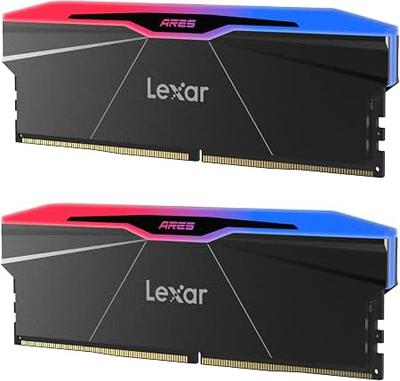
Specs and benchmarks
Speed Score
- ADATA AD4U3200716G22-BADZ
- –
- Lexar ARES Gen2 RGB LD5U16G60C26LW 16GB DDR5-6000 CL26
- 8.8/10
DDR4 and DDR5 kits are scored on separate scales, so these two scores can't be compared directly. Your motherboard supports only one of the two.
DDR Generation
- ADATA AD4U3200716G22-BADZ
- DDR4
- Lexar ARES Gen2 RGB LD5U16G60C26LW 16GB DDR5-6000 CL26
- DDR5
Brand
- ADATA AD4U3200716G22-BADZ
- ADATA
- Lexar ARES Gen2 RGB LD5U16G60C26LW 16GB DDR5-6000 CL26
- Lexar
Part Number
- ADATA AD4U3200716G22-BADZ
- AD4U3200716G22-BADZ
- Lexar ARES Gen2 RGB LD5U16G60C26LW 16GB DDR5-6000 CL26
- LD5U16G60C26LW
Series
- ADATA AD4U3200716G22-BADZ
- ADATA Industrial
- Lexar ARES Gen2 RGB LD5U16G60C26LW 16GB DDR5-6000 CL26
- ARES Gen2 RGB
CAS Latency
- ADATA AD4U3200716G22-BADZ
- 22Best
- Lexar ARES Gen2 RGB LD5U16G60C26LW 16GB DDR5-6000 CL26
- 26-18%
Module Count
- ADATA AD4U3200716G22-BADZ
- 1
- Lexar ARES Gen2 RGB LD5U16G60C26LW 16GB DDR5-6000 CL26
- 1
RAM Segment
- ADATA AD4U3200716G22-BADZ
- Industrial/Embedded
- Lexar ARES Gen2 RGB LD5U16G60C26LW 16GB DDR5-6000 CL26
- Desktop DDR5
Form Factor
- ADATA AD4U3200716G22-BADZ
- DIMM
- Lexar ARES Gen2 RGB LD5U16G60C26LW 16GB DDR5-6000 CL26
- Desktop DIMM
Platform Optimisation
- ADATA AD4U3200716G22-BADZ
- JEDEC Only
- Lexar ARES Gen2 RGB LD5U16G60C26LW 16GB DDR5-6000 CL26
- AM5
Capacity Per Module
- ADATA AD4U3200716G22-BADZ
- 16 GB
- Lexar ARES Gen2 RGB LD5U16G60C26LW 16GB DDR5-6000 CL26
- 16 GB
True Latency
- ADATA AD4U3200716G22-BADZ
- 13.8 ns-59%
- Lexar ARES Gen2 RGB LD5U16G60C26LW 16GB DDR5-6000 CL26
- 8.7 nsBest
Peak Bandwidth
- ADATA AD4U3200716G22-BADZ
- 25.6 GB/s-47%
- Lexar ARES Gen2 RGB LD5U16G60C26LW 16GB DDR5-6000 CL26
- 48.0 GB/sBest

Which one should you pick?
Choose ADATA AD4U3200716G22-BADZ if you want the lower CAS latency (22 vs 26) and the higher capacity per module (16 GB vs 16 GB).
Choose Lexar ARES Gen2 RGB LD5U16G60C26LW 16GB DDR5-6000 CL26 if you want the lower true latency (8.7 ns vs 13.8 ns) and the higher peak bandwidth (48.0 GB/s vs 25.6 GB/s).