
Consumercarts is reader-supported. Learn more
ADATA AD4U3200716G22-BADZ vs Lexar ARES RGB LD5U16G72C34LA 16GB DDR5-7200 CL34: Comparison
ADATA AD4U3200716G22-BADZ vs Lexar ARES RGB LD5U16G72C34LA 16GB: the cas latency difference
Cas latency is where these two genuinely part company, ADATA AD4U3200716G22-BADZ 22 against Lexar ARES RGB LD5U16G72C34LA 16GB 34, a 55% lead for ADATA AD4U3200716G22-BADZ. Lexar ARES RGB LD5U16G72C34LA 16GB also leads on true latency, 13.8 ns on the ADATA AD4U3200716G22-BADZ versus 9.4 ns on the Lexar ARES RGB LD5U16G72C34LA 16GB. Peak bandwidth runs the same way, 25.6 GB/s on the ADATA AD4U3200716G22-BADZ versus 57.6 GB/s on the Lexar ARES RGB LD5U16G72C34LA 16GB, another win for Lexar ARES RGB LD5U16G72C34LA 16GB. Ddr generation is not the same on both, DDR4 on the ADATA AD4U3200716G22-BADZ versus DDR5 on the Lexar ARES RGB LD5U16G72C34LA 16GB. They differ on ram segment too, Industrial/Embedded on the ADATA AD4U3200716G22-BADZ versus Desktop DDR5 on the Lexar ARES RGB LD5U16G72C34LA 16GB. Form factor is not the same on both, DIMM on the ADATA AD4U3200716G22-BADZ versus Desktop DIMM on the Lexar ARES RGB LD5U16G72C34LA 16GB. Platform optimisation is not the same on both, JEDEC Only on the ADATA AD4U3200716G22-BADZ versus Intel on the Lexar ARES RGB LD5U16G72C34LA 16GB.
ADATA AD4U3200716G22-BADZ vs Lexar ARES RGB LD5U16G72C34LA 16GB: which one fits your build
The Lexar ARES RGB LD5U16G72C34LA 16GB suits Intel builds wanting high bandwidth with tight latency and content creation or compilation workloads benefiting from raw bandwidth, though it is not built for AM5 builds, where 6000-6400MT/s stays inside the efficient 1:1 ratio. Avoid it for budget builds where a 6000MT/s module is close enough on real-world latency.
What ADATA AD4U3200716G22-BADZ and Lexar ARES RGB LD5U16G72C34LA 16GB have in common
Everything else lines up. Capacity per module and module count read the same on both, so those are not worth weighing.

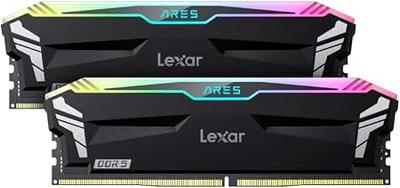
Specs and benchmarks
Speed Score
- ADATA AD4U3200716G22-BADZ
- –
- Lexar ARES RGB LD5U16G72C34LA 16GB DDR5-7200 CL34
- 9.3/10
DDR4 and DDR5 kits are scored on separate scales, so these two scores can't be compared directly. Your motherboard supports only one of the two.
DDR Generation
- ADATA AD4U3200716G22-BADZ
- DDR4
- Lexar ARES RGB LD5U16G72C34LA 16GB DDR5-7200 CL34
- DDR5
Brand
- ADATA AD4U3200716G22-BADZ
- ADATA
- Lexar ARES RGB LD5U16G72C34LA 16GB DDR5-7200 CL34
- Lexar
Part Number
- ADATA AD4U3200716G22-BADZ
- AD4U3200716G22-BADZ
- Lexar ARES RGB LD5U16G72C34LA 16GB DDR5-7200 CL34
- LD5U16G72C34LA
Series
- ADATA AD4U3200716G22-BADZ
- ADATA Industrial
- Lexar ARES RGB LD5U16G72C34LA 16GB DDR5-7200 CL34
- ARES RGB
CAS Latency
- ADATA AD4U3200716G22-BADZ
- 22Best
- Lexar ARES RGB LD5U16G72C34LA 16GB DDR5-7200 CL34
- 34-55%
Module Count
- ADATA AD4U3200716G22-BADZ
- 1
- Lexar ARES RGB LD5U16G72C34LA 16GB DDR5-7200 CL34
- 1
RAM Segment
- ADATA AD4U3200716G22-BADZ
- Industrial/Embedded
- Lexar ARES RGB LD5U16G72C34LA 16GB DDR5-7200 CL34
- Desktop DDR5
Form Factor
- ADATA AD4U3200716G22-BADZ
- DIMM
- Lexar ARES RGB LD5U16G72C34LA 16GB DDR5-7200 CL34
- Desktop DIMM
Platform Optimisation
- ADATA AD4U3200716G22-BADZ
- JEDEC Only
- Lexar ARES RGB LD5U16G72C34LA 16GB DDR5-7200 CL34
- Intel
Capacity Per Module
- ADATA AD4U3200716G22-BADZ
- 16 GB
- Lexar ARES RGB LD5U16G72C34LA 16GB DDR5-7200 CL34
- 16 GB
True Latency
- ADATA AD4U3200716G22-BADZ
- 13.8 ns-47%
- Lexar ARES RGB LD5U16G72C34LA 16GB DDR5-7200 CL34
- 9.4 nsBest
Peak Bandwidth
- ADATA AD4U3200716G22-BADZ
- 25.6 GB/s-56%
- Lexar ARES RGB LD5U16G72C34LA 16GB DDR5-7200 CL34
- 57.6 GB/sBest
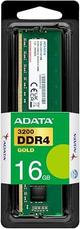

Which one should you pick?
Choose ADATA AD4U3200716G22-BADZ if you want the lower CAS latency (22 vs 34) and the higher capacity per module (16 GB vs 16 GB).
Choose Lexar ARES RGB LD5U16G72C34LA 16GB DDR5-7200 CL34 if you want the lower true latency (9.4 ns vs 13.8 ns) and the higher peak bandwidth (57.6 GB/s vs 25.6 GB/s).