
Consumercarts is reader-supported. Learn more
AMD EPYC 7642 vs AMD EPYC Embedded 7552: Comparison
What is the difference between EPYC 7642 and EPYC Embedded 7552?
On l3 cache the spread is 25%, EPYC 7642 256 MB against EPYC Embedded 7552 192 MB, so EPYC 7642 takes it. Boost clock is not the same on both, Up to 3.3 GHz on the EPYC 7642 versus 3.3 GHz on the EPYC Embedded 7552. Tdp is not the same on both, 225 W on the EPYC 7642 versus 200 W on the EPYC Embedded 7552. They differ on base clock too, 2.3 GHz on the EPYC 7642 versus 2.2 GHz on the EPYC Embedded 7552.
Which should you buy, EPYC 7642 or EPYC Embedded 7552?
The EPYC 7642 is the one to take for datacenter and cloud compute and virtualization-dense server workloads, though it is the wrong buy for consumer desktop builds and single-threaded latency-sensitive workloads on lower core-count SKUs. The EPYC Embedded 7552 suits industrial and embedded system designs and long-lifecycle networking and edge-compute deployments, though it is not built for consumer desktop or gaming builds and DIY PC upgrades.
Where the two are identical
The common ground is wider than the gap: pcie lanes, core count, thread count and socket are identical here.
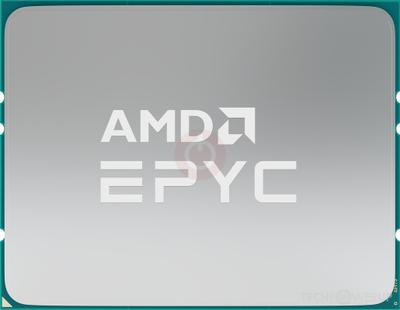

Specs and benchmarks
Core Count
- AMD EPYC 7642
- 48 cores
- AMD EPYC Embedded 7552
- 48 cores
Thread Count
- AMD EPYC 7642
- 96 threads
- AMD EPYC Embedded 7552
- 96 threads
Base Clock
- AMD EPYC 7642
- 2.3 GHz
- AMD EPYC Embedded 7552
- 2.2 GHz
Boost Clock
- AMD EPYC 7642
- Up to 3.3 GHz
- AMD EPYC Embedded 7552
- 3.3 GHz
L3 Cache
- AMD EPYC 7642
- 256 MBBest
- AMD EPYC Embedded 7552
- 192 MB-25%
Socket
- AMD EPYC 7642
- SP3
- AMD EPYC Embedded 7552
- SP3
PCIe Lanes
- AMD EPYC 7642
- 128 lanes
- AMD EPYC Embedded 7552
- 128 lanes
TDP
- AMD EPYC 7642
- 225 W
- AMD EPYC Embedded 7552
- 200 W


Which one should you pick?
Choose 7642 if you want the higher L3 cache (256 MB vs 192 MB) and the higher PCIe lanes (128 lanes vs 128 lanes).
Choose 7552 if you already have it on hand or find it at a lower price.