
Consumercarts is reader-supported. Learn more
AMD EPYC 9016 vs AMD EPYC 9736: Comparison
EPYC 9016 vs EPYC 9736: the l3 cache difference
The gap that matters here is l3 cache: EPYC 9016 48 MB against EPYC 9736 256 MB, which puts EPYC 9736 81% ahead. There is a split on boost clock as well, 4.8 GHz on the EPYC 9016 versus 3.7 GHz on the EPYC 9736. Tdp is not the same on both, 130 W on the EPYC 9016 versus 360 W on the EPYC 9736. They differ on configurable tdp max too, 220 W on the EPYC 9016 versus 400 W on the EPYC 9736. Core count is not the same on both, 8 cores on the EPYC 9016 versus 128 cores on the EPYC 9736. They differ on thread count too, 16 threads on the EPYC 9016 versus 256 threads on the EPYC 9736. There is a split on base clock as well, 3.05 GHz on the EPYC 9016 versus 2.7 GHz on the EPYC 9736.
Which should you buy, EPYC 9016 or EPYC 9736?
Buy the EPYC 9016 for datacenter and cloud compute and virtualization-dense server workloads, though it is not built for consumer desktop builds and single-threaded latency-sensitive workloads on lower core-count SKUs. The EPYC 9736 is the one to take for datacenter and cloud compute and virtualization-dense server workloads, though it is not the pick for consumer desktop builds and single-threaded latency-sensitive workloads on lower core-count SKUs.
Where the two are identical
Where they agree, they agree completely, memory channels, pcie lanes, cpu socket, product family and segment included, so the decision does not turn on any of those. They match on 10 further specifications as well.
Frequently asked questions
Is the SMT Support the same on the EPYC 9016 and EPYC 9736?
It is. Both are listed at Yes, so it is not a reason to pick one over the other.
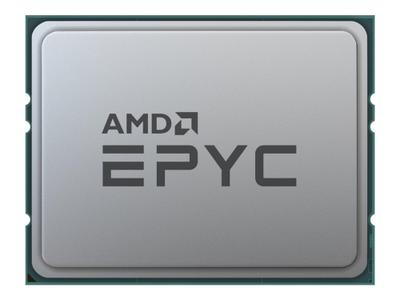

Specs and benchmarks
Brand
- AMD EPYC 9016
- AMD
- AMD EPYC 9736
- AMD
Model Number
- AMD EPYC 9016
- 9016
- AMD EPYC 9736
- 9736
CPU Socket
- AMD EPYC 9016
- SP8
- AMD EPYC 9736
- SP8
Product Family
- AMD EPYC 9016
- EPYC 9006 Series
- AMD EPYC 9736
- EPYC 9006 Series
Segment
- AMD EPYC 9016
- Data Center
- AMD EPYC 9736
- Data Center
Core Count
- AMD EPYC 9016
- 8 cores
- AMD EPYC 9736
- 128 cores
Thread Count
- AMD EPYC 9016
- 16 threads
- AMD EPYC 9736
- 256 threads
SMT Support
- AMD EPYC 9016
- Yes
- AMD EPYC 9736
- Yes
Base Clock
- AMD EPYC 9016
- 3.05 GHz
- AMD EPYC 9736
- 2.7 GHz
Boost Clock
- AMD EPYC 9016
- 4.8 GHz
- AMD EPYC 9736
- 3.7 GHz
L3 Cache
- AMD EPYC 9016
- 48 MB-81%
- AMD EPYC 9736
- 256 MBBest
Socket
- AMD EPYC 9016
- SP8
- AMD EPYC 9736
- SP8
Multi-Socket Support
- AMD EPYC 9016
- Dual Socket
- AMD EPYC 9736
- Dual Socket
Memory Channels
- AMD EPYC 9016
- 8 channels
- AMD EPYC 9736
- 8 channels
Memory Type
- AMD EPYC 9016
- DDR5 RDIMM
- AMD EPYC 9736
- DDR5 RDIMM
Max Memory Speed
- AMD EPYC 9016
- 8000 MT/s
- AMD EPYC 9736
- 8000 MT/s
Registered Memory Required
- AMD EPYC 9016
- Yes
- AMD EPYC 9736
- Yes
PCIe Lanes
- AMD EPYC 9016
- 128 lanes
- AMD EPYC 9736
- 128 lanes
PCIe Generation
- AMD EPYC 9016
- PCIe 6.0
- AMD EPYC 9736
- PCIe 6.0
TDP
- AMD EPYC 9016
- 130 W
- AMD EPYC 9736
- 360 W
Configurable TDP Max
- AMD EPYC 9016
- 220 W
- AMD EPYC 9736
- 400 W
Memory Bandwidth
- AMD EPYC 9016
- 512 GB/s / 819.2 GB/s
- AMD EPYC 9736
- 512 GB/s / 819.2 GB/s
PCIe
- AMD EPYC 9016
- PCIe 6.0 x128
- AMD EPYC 9736
- PCIe 6.0 x128
Memory Support
- AMD EPYC 9016
- DDR5 RDIMM | MRDIMM, 8-Channel, Up to 8000 MT/s / Up to 12800 MT/s
- AMD EPYC 9736
- DDR5 RDIMM | MRDIMM, 8-Channel, Up to 8000 MT/s / Up to 12800 MT/s


Which one should you pick?
Choose 9016 if you want the higher memory channels (8 channels vs 8 channels) and the higher PCIe lanes (128 lanes vs 128 lanes).
Choose 9736 if you want the higher L3 cache (256 MB vs 48 MB).