
Consumercarts is reader-supported. Learn more
Banana Pi BPI-F3 vs Raspberry Pi 5: Comparison
What is the difference between Banana Pi BPI-F3 and Raspberry Pi 5?
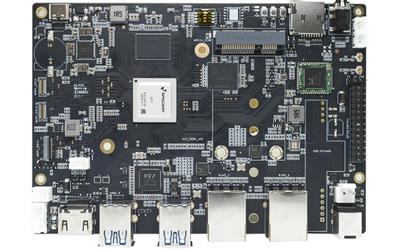
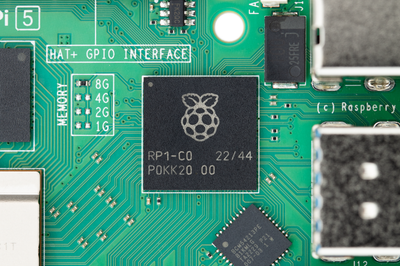
The first real difference is cpu architecture: Banana Pi BPI-F3 RISC-V against Raspberry Pi 5 ARM. Soc model is not the same on both, Octa-core RISC-V on the Banana Pi BPI-F3 versus Broadcom BCM2712 on the Raspberry Pi 5.
Which should you buy, Banana Pi BPI-F3 or Raspberry Pi 5?
Take the Banana Pi BPI-F3 for RISC-V networking experiments that want dual Ethernet and PCIe expansion in a compact board. Avoid it for buyers who want the most mature RISC-V Linux distribution support currently available. The Raspberry Pi 5 is the one to take for single-purpose appliances, home automation hubs, and headless servers. It also earns its place with budget-conscious builds that want Pi 5 CPU/IO speed without paying for extra RAM. It is not the one for multitasking-heavy desktop use or anything running several containers at once, where the 4GB or 8GB model is worth the extra cost. Our rating of the Banana Pi BPI-F3 (7/10): octa-core RISC-V with dual Ethernet and PCIe, in a far smaller package than the Jupiter.
Specs and benchmarks
These products are in different categories and don't share enough specifications to compare meaningfully.
Which one should you pick?
Choose Banana Pi BPI-F3 if you already have it on hand or find it at a lower price.
Choose Raspberry Pi 5 if you already have it on hand or find it at a lower price.
Price comparison
| Retailer | Banana Pi BPI-F3 | Raspberry Pi 5 |
|---|---|---|
| Consumercarts listing | $50.00 View on Consumercarts listing |
Disclaimer: The price and specification of the given product may differ from the actual product. Please confirm on the retailer's website before buying.
Verdict
Banana Pi BPI-F3
7 / 10 Expert Rating
Octa-core RISC-V with dual Ethernet and PCIe, in a far smaller package than the Jupiter.