
Consumercarts is reader-supported. Learn more
Banana Pi BPI-F3 vs AAEON UP 4000: Comparison
Banana Pi BPI-F3 vs AAEON UP 4000: the cpu architecture difference
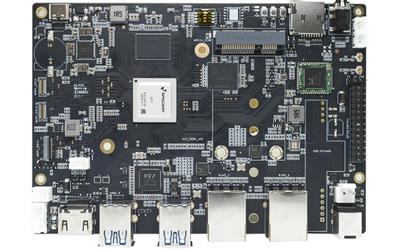
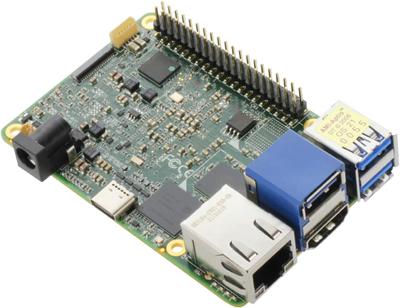
They are built to different briefs, and cpu architecture shows it, Banana Pi BPI-F3 RISC-V against AAEON UP 4000 x86. There is a split on soc model as well, Octa-core RISC-V on the Banana Pi BPI-F3 versus Intel Celeron N4020, Dual-Core x86 @ up to 2.8GHz on the AAEON UP 4000.
Banana Pi BPI-F3 vs AAEON UP 4000: which one fits your build
Take the Banana Pi BPI-F3 for RISC-V networking experiments that want dual Ethernet and PCIe expansion in a compact board. It is the wrong buy for buyers who want the most mature RISC-V Linux distribution support currently available. The AAEON UP 4000 suits industrial control software requiring native x86/Windows and retrofitting legacy x86 applications into embedded projects, though it is the wrong buy for ARM-optimized projects where a Raspberry Pi is simpler and buyers just wanting the fastest board per dollar. Our rating of the Banana Pi BPI-F3 (7/10): octa-core RISC-V with dual Ethernet and PCIe, in a far smaller package than the Jupiter. Our rating of the AAEON UP 4000 (7/10): the right tool specifically when a project must run genuine x86 software or Windows in a Pi-sized footprint -- not a general performance upgrade over ARM boards.
Specs and benchmarks
These products are in different categories and don't share enough specifications to compare meaningfully.
Which one should you pick?
Choose Banana Pi BPI-F3 if you already have it on hand or find it at a lower price.
Choose AAEON UP 4000 if you already have it on hand or find it at a lower price.
Price comparison
| Retailer | Banana Pi BPI-F3 | AAEON UP 4000 |
|---|---|---|
| Consumercarts listing | $99.00 View on Consumercarts listing |
Disclaimer: The price and specification of the given product may differ from the actual product. Please confirm on the retailer's website before buying.
Verdict
Banana Pi BPI-F3
7 / 10 Expert Rating
Octa-core RISC-V with dual Ethernet and PCIe, in a far smaller package than the Jupiter.
AAEON UP 4000
7 / 10 Expert Rating
The right tool specifically when a project must run genuine x86 software or Windows in a Pi-sized footprint -- not a general performance upgrade over ARM boards.