
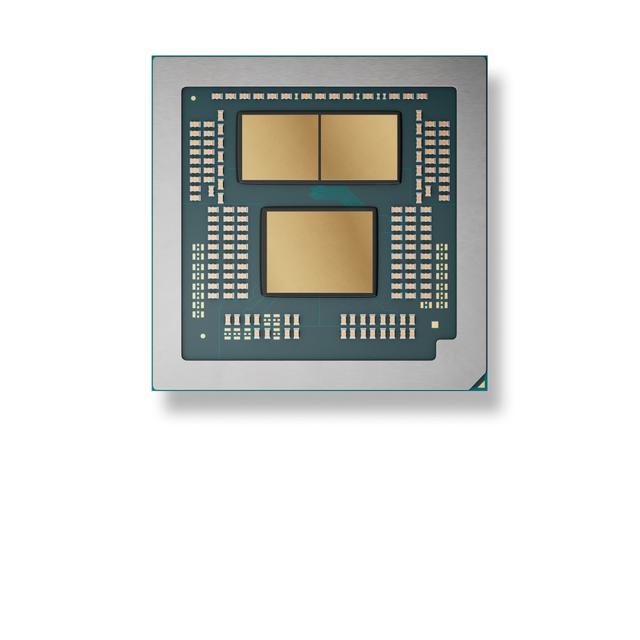
AMD Ryzen AI 5 330
Expert rating7.9 / 10
- Brand:
- AMD
- Form Factor:
- Laptop
- CPU Socket:
- FP8 (BGA
- Core/Thread Count:
- 6C/12T
- TDP:
- 28W
- iGPU:
- AMD Radeon 860M (RDNA 3.5)
- CPU Series:
- Ryzen AI
Consumercarts is reader-supported. Learn more
Disclaimer: The price and specification of the given product may differ from the actual product. Please confirm on the retailer's website before buying.
Manufacturer: AMD Last updated: 2026-09-12
AMD Ryzen AI 5 330 Review
AMD Ryzen AI 5 330 6-core 12-thread laptop processor, 2.0GHz base / 5.0GHz boost, 28W TDP, Krackan Point (Zen 5), 50 TOPS NPU
The AMD Ryzen AI 5 330 is a mainstream AI laptop chip balancing efficiency and everyday performance. Built on AMD's Krackan Point (Zen 5) architecture, it pairs 6 cores and 12 threads with a 2.0GHz base clock boosting to 5.0GHz, AMD Radeon 860M (RDNA 3.5) graphics, and a 50-TOPS NPU for on-device AI, all within a 28W envelope.
Performance and Architecture
With 6 cores and 12 threads, the AMD Ryzen AI 5 330 is built on AMD's Krackan Point (Zen 5), combining Zen 5 CPU cores with AMD Radeon 860M (RDNA 3.5) graphics. Its 2.0GHz base clock boosts up to 5.0GHz, and the integrated 50-TOPS NPU handles on-device AI acceleration for Copilot+ style workloads.
Platform and Efficiency
The AMD Ryzen AI 5 330 uses the FP8 (BGA, soldered) platform in a 28W envelope, positioned as a mainstream AI laptop chip balancing efficiency and everyday performance.
Comparison to Alternatives
Within AMD's Ryzen AI lineup in this catalog, the AMD Ryzen AI 5 330 sits among other Krackan Point (Zen 5) parts at the 6-core tier, differentiated by suffix, clock speed, and TDP. Against Intel's Core Ultra processors in this catalog, the AMD Ryzen AI 5 330 offers a comparable or stronger integrated GPU and NPU, while against AMD's own non-AI Ryzen chips in this catalog it adds the dedicated NPU at a similar core count.
Specifications
Identity
| Brand | AMD |
|---|---|
| Product Line | Ryzen AI |
| Model Number | Ryzen AI 5 330 |
| Codename | Krackan Point |
| Release Year | 2024 |
Segment and platform
| Market Segment | Laptop |
|---|---|
| Microarchitecture | Krackan Point (Zen 5) |
| Socket | BGA |
| Socket Status | Mature |
| Process Node | 4 nm |
Core configuration
| Total Cores | 6 |
|---|---|
| Performance Cores | 6 |
| Efficiency Cores | 0 |
| Total Threads | 12 |
| SMT Enabled | Yes |
Clock speeds
| P-Core Base Clock | 2.0 GHz |
|---|---|
| P-Core Boost Clock | 5.0 GHz |
Cache
| L2 Cache | 6 MB |
|---|---|
| L3 Cache | 16 MB |
Power and thermal
| Base Power | 28 W |
|---|---|
| Configurable TDP Floor | 15 W |
Memory
| Memory Type | DDR5 or LPDDR5X |
|---|---|
| Memory Channels | 2 |
| ECC Support | No |
Graphics and AI
| Integrated Graphics | Yes |
|---|---|
| iGPU Model | AMD Radeon 860M |
| iGPU Compute Units | 8 |
| NPU Peak TOPS | 50 TOPS |
| NPU Peak TOPS | 50 TOPS |
| Copilot Plus Certified | Yes |
Expansion
| PCIe Generation | PCIe 4.0 |
|---|
Commercial
| Retail Availability | Soldered Only |
|---|
| Form Factor | Laptop |
|---|---|
| TDP | 28 W |
| iGPU | AMD Radeon 860M (RDNA 3.5) |
Expert Review
Reviewed by Burooj Alam. Rated by us, not by users.
Expert rating7.9 / 10
The AMD Ryzen AI 5 330 is a balanced mainstream AI laptop chip, fitting everyday productivity laptops well.
Best for
- Mainstream laptops
- Everyday productivity
- Balanced battery life
Not for
- Gaming laptops
- Heavy content creation
- Workstation-class loads
FAQs
What are the key specifications of the AMD Ryzen AI 5 330?
The AMD Ryzen AI 5 330 is a processor from AMD. Key specs: Cores 6, Threads 12, Base Clock 2.0 GHz, Boost Clock 5.0 GHz, L3 Cache 16.
Will the AMD Ryzen AI 5 330 work with my current setup?
The AMD Ryzen AI 5 330 lists Socket is FP8 (BGA, soldered). Check that against the hardware you already own before buying, since this is the field that most often decides whether a part fits.
Who is the AMD Ryzen AI 5 330 best suited to?
It suits mainstream laptops, everyday productivity, balanced battery life.
What are the drawbacks of the AMD Ryzen AI 5 330?
It is a poor fit for gaming laptops, heavy content creation, workstation-class loads.