
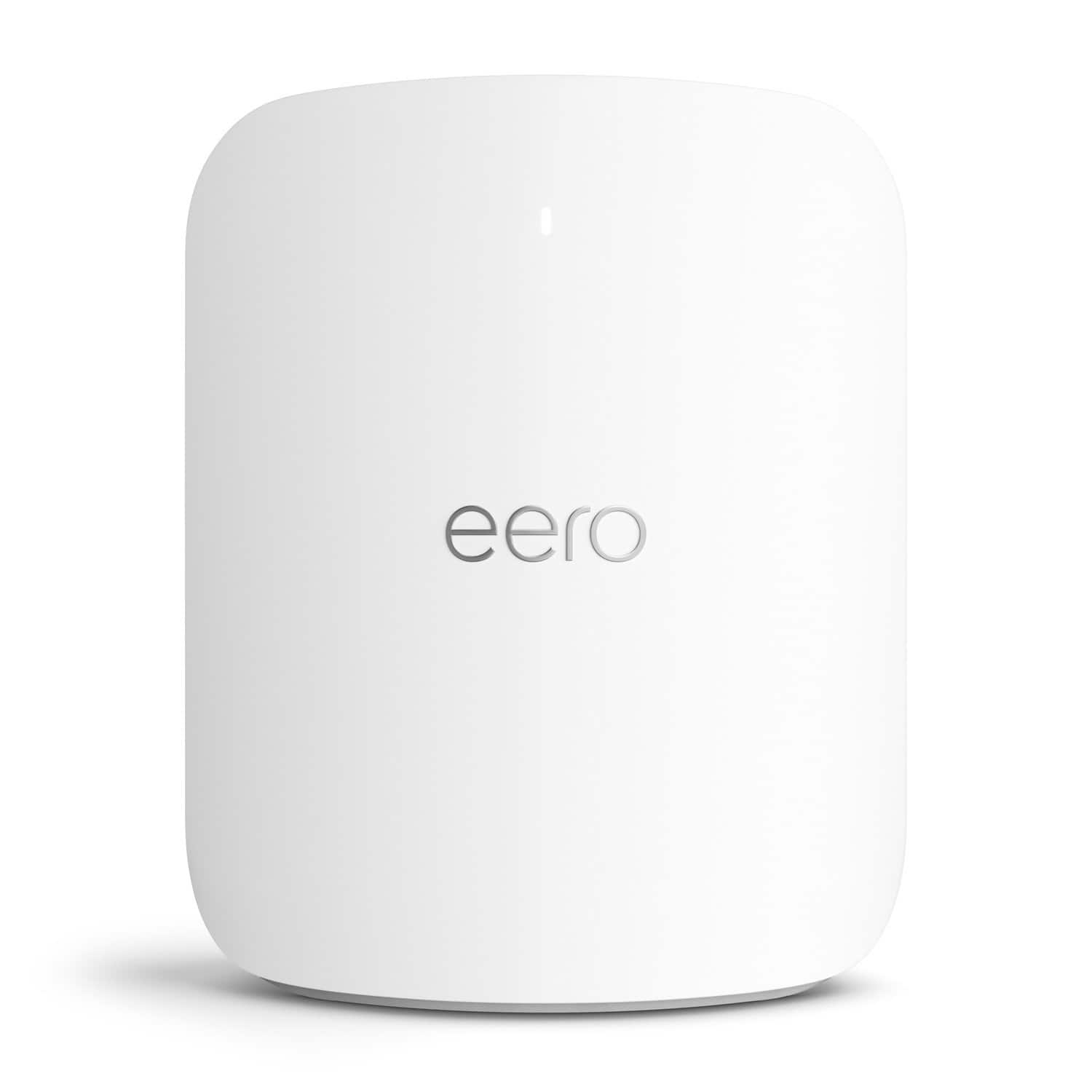
eero Max 7
Expert rating5 / 10
- WiFi Standard:
- WiFi 7 (802.11be)
- Router Type:
- Mesh System
- Band Configuration:
- Tri-Band
- WAN Port Speed:
- 10GbE
Consumercarts is reader-supported. Learn more
Disclaimer: The price and specification of the given product may differ from the actual product. Please confirm on the retailer's website before buying.
Manufacturer: Amazon Last updated: September 17, 2026
Where to buy
- AmazonGo to store
eero Max 7 Review
If you're comparing the eero Max 7 against other WiFi 7 mesh systems, the specs sheet looks competitive with the Deco BE85 and Orbi 970, but independent testing found a real gap between the spec sheet and daily use.
We can't recommend this one. Despite BE20800 specs that read as flagship-tier, independent reviewers measured real-world speeds below a Gigabit, devices failing to connect to the 6GHz band, and Amazon paywalling basic features like parental controls behind a mandatory $99.99/year subscription. At this price, the TP-Link Deco BE85 delivers what the Max 7 promises without the subscription tax.
The specs versus reality gap
BE20800 on paper splits into 11,520 Mbps on 6GHz and 8,640 Mbps on 5GHz, numbers that read as competitive with the Deco BE85 and Orbi 970. Independent testing found actual throughput came in below a Gigabit on the bands that did connect, and devices frequently failed to connect to 6GHz at all.
That gap between advertised speed class and measured performance is worse here than on any other WiFi 7 mesh system we've reviewed. Treat the headline number as aspirational, not a guarantee.
The subscription and privacy tradeoffs
eero requires a cloud account and the eero app before you can complete setup, there's no local-only management option. Firmware updates install automatically and reviewers found no way to disable them.
Basic features other mesh systems include for free, like parental controls and dynamic DNS, sit behind the $9.99/month eero Plus subscription. At $99.99 a year on top of the hardware cost, this materially changes the real cost of ownership versus its competitors.
Versus the competition
Winner, clearly not the eero Max 7. The TP-Link Deco BE85 costs about the same for a 2-pack and delivers the multi-gig ports and WiFi 7 performance the Max 7 promises but doesn't consistently deliver, without a required subscription.
The ASUS ZenWiFi BQ16 Pro and Netgear Orbi 970 both cost more but at least deliver on their spec sheets in independent testing. If you specifically want deep Alexa and Thread smart-home integration, that's the one legitimate reason to consider the Max 7 over these alternatives, otherwise we'd steer you elsewhere.
Our verdict
Reviewed by Burooj Alam. Rated by us, not by users.
Expert rating5 / 10
Flagship specs on paper, but independent testing found real-world speeds well below the spec sheet and Amazon locks basic features behind a mandatory subscription. Hard to recommend at this price.
Best for
- Existing Amazon Alexa or Thread smart-home ecosystems wanting tight integration
- Buyers who specifically want eero's app-based mesh management style
Not for
- Anyone chasing the advertised BE20800 speed class, real-world results fall well short
- Buyers who don't want a mandatory cloud account or subscription
- Privacy-conscious buyers uncomfortable with mandatory automatic firmware updates
Specifications
What these specs meanIdentity
| Brand | Amazon |
|---|---|
| Model Number | eero Max 7 |
Wireless
| WiFi Standard | WiFi 7 (802.11be) |
|---|---|
| Router Type | Mesh System |
| Band Configuration | Tri-Band |
Connectivity
| Wired Ports | 2x 10Gbps, 2x 2.5Gbps per unit, 1x USB-C power only |
|---|---|
| Special Features | Thread border router built in, Amazon Alexa integration, automatic mandatory firmware updates |
Form and topology
| Device Type | Mesh System |
|---|
Wireless standard
| WiFi Generation | WiFi 7 |
|---|---|
| Supports 6GHz | Yes |
| Speed Class | BE20800 |
Radio capability
| Spatial Streams Total | 10 |
|---|---|
| 5GHz Streams | 4 |
| 6GHz Streams | 4 |
| MLO Support | Yes |
Wired networking
| WAN Port Speed | 10GbE |
|---|---|
| Max LAN Port Speed | 10GbE |
| Multi-Gig Port Count | 4 ports |
| SFP+ Port | No |
Coverage and capacity
| Max Client Devices | 250 devices |
|---|
Management
| Mesh Ecosystem | Eero |
|---|---|
| Smart Home Hub | Zigbee and Thread |
FAQs
What are the key specifications of the eero Max 7 (WiFi 7/Mesh System/Tri-Band BE20800/10Gbps Ports/Amazon)?
Key specs for the eero Max 7: WiFi Standard WiFi 7 (802.11be), Supports 6GHz Yes, LAN Ports Per Unit 2x 10GbE + 2x 2.5GbE, auto-sensing, Wired Ports 2x 10Gbps, 2x 2.5Gbps per unit, 1x USB-C power only, WiFi Generation WiFi 7, Router Type Mesh System.
Will the eero Max 7 (WiFi 7/Mesh System/Tri-Band BE20800/10Gbps Ports/Amazon) work with my current setup?
The eero Max 7 (WiFi 7/Mesh System/Tri-Band BE20800/10Gbps Ports/Amazon) lists WiFi Standard is WiFi 7 (802.11be). Check that against the hardware you already own before buying, since this is the field that most often decides whether a part fits.
Who is the eero Max 7 (WiFi 7/Mesh System/Tri-Band BE20800/10Gbps Ports/Amazon) best suited to?
Best suited to: Existing Amazon Alexa or Thread smart-home ecosystems wanting tight integration; Buyers who specifically want eero's app-based mesh management style.
What are the drawbacks of the eero Max 7 (WiFi 7/Mesh System/Tri-Band BE20800/10Gbps Ports/Amazon)?
Not the best fit for: Anyone chasing the advertised BE20800 speed class, real-world results fall well short; Buyers who don't want a mandatory cloud account or subscription; Privacy-conscious buyers uncomfortable with mandatory automatic firmware updates.