
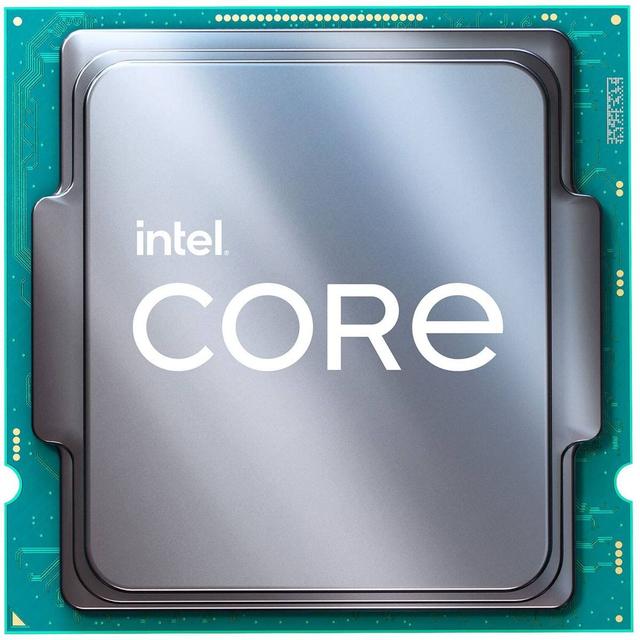
Intel Processor 300
Expert rating7.3 / 10
- Brand:
- Intel
- Form Factor:
- Desktop
- CPU Socket:
- Socket 1700
- Core/Thread Count:
- 2C/4T
- TDP:
- 65W
- iGPU:
- Intel UHD Graphics 710
- CPU Series:
- Processor 300-series
Consumercarts is reader-supported. Learn more
Disclaimer: The price and specification of the given product may differ from the actual product. Please confirm on the retailer's website before buying.
Manufacturer: Intel Last updated: 2026-09-12
Intel Processor 300 Review
Intel Processor 300 2-core 4-thread desktop (embedded) processor, 3.9GHz base / 4.0GHz boost, 65W TDP, Socket 1700 socket
The Intel Processor 300 is a low-core-count embedded desktop processor for point-of-sale and kiosk systems. It pairs 2 cores and 4 threads with a 3.9GHz base clock that boosts up to 4.0GHz and Intel UHD Graphics 710 graphics, all within a 65W envelope.
Performance and Architecture
With 2 cores and 4 threads, the Intel Processor 300 runs a 3.9GHz base clock that boosts up to 4.0GHz, backed by 4MB of L3 cache and Intel UHD Graphics 710 graphics.
Platform and Deployment
The Intel Processor 300 uses the Socket 1700 platform in a 65W envelope, positioned as a low-core-count embedded desktop processor for point-of-sale and kiosk systems.
Comparison to Alternatives
Within the Processor 300-series lineup in this catalog, the Intel Processor 300 sits at the 2-core tier, differentiated by clock speed, TDP, and socket. Against AMD's Ryzen and EPYC processors in this catalog at a similar tier, Intel's Processor 300-series competes on platform ecosystem and per-core efficiency, while against Intel's own Core Ultra and Xeon 6 parts in this catalog it targets a narrower, more specialized deployment niche.
Our verdict
Reviewed by Burooj Alam. Rated by us, not by users.
Expert rating7.3 / 10
The Intel Processor 300 is a minimal-core embedded desktop chip, adequate for kiosk and point-of-sale duty.
Best for
- Point-of-sale systems
- Kiosks
- Embedded commercial PCs
Not for
- Gaming builds
- Content creation
- Multi-threaded workstation loads
Specifications
What these specs meanIdentity
| Codename | Raptor Lake |
|---|---|
| Release Year | 2024 |
Segment and platform
| Market Segment | Desktop |
|---|---|
| Socket | Socket 1700 |
| Process Node | 7 nm |
Core configuration
| Total Cores | 2 |
|---|---|
| Performance Cores | 2 |
| Efficiency Cores | 0 |
| Total Threads | 4 |
| SMT Enabled | Yes |
Clock speeds
| P-Core Base Clock | 3.9 GHz |
|---|---|
| P-Core Boost Clock | 4.0 GHz |
Cache
| L3 Cache | 6 MB |
|---|
Power and thermal
| Base Power | 46 W |
|---|
Memory
| Memory Type | DDR5, DDR4 |
|---|
Graphics and AI
| Integrated Graphics | Yes |
|---|
| Form Factor | Desktop |
|---|---|
| TDP | 65 W |
| iGPU | Intel UHD Graphics 710 |
FAQs
What are the key specifications of the Intel Processor 300?
The Intel Processor 300 has 2 cores and 4 threads, a 3.9 GHz base and 4.0 GHz boost clock, 6 MB of L3 cache and a 65 W TDP. Integrated graphics: Intel UHD Graphics 710. Socket: Socket 1700.
Will the Intel Processor 300 work with my current setup?
The Intel Processor 300 lists Socket is Socket 1700. Check that against the hardware you already own before buying, since this is the field that most often decides whether a part fits.
Who is the Intel Processor 300 best suited to?
Best suited to: Point-of-sale systems; Kiosks; Embedded commercial PCs.
What are the drawbacks of the Intel Processor 300?
Not the best fit for: Gaming builds; Content creation; Multi-threaded workstation loads.