
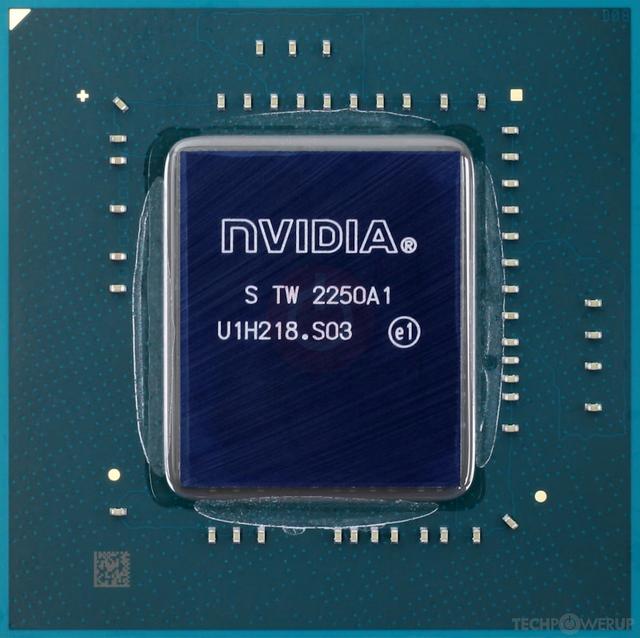
NVIDIA RTX 3000 Ada Generation Laptop GPU
Expert rating6.8 / 10
- GPU Brand:
- NVIDIA
- VRAM:
- 8GB GDDR6
- TDP:
- 130W
Consumercarts is reader-supported. Learn more
Disclaimer: The price and specification of the given product may differ from the actual product. Please confirm on the retailer's website before buying.
Manufacturer: NVIDIA Last updated: 2026-09-12
NVIDIA RTX 3000 Ada Generation Laptop GPU Review
The NVIDIA RTX 3000 Ada Generation Laptop GPU is the entry point into NVIDIA's Ada-generation mobile workstation lineup, and this search usually comes from professionals or students pricing an affordable certified-driver laptop.
8GB of GDDR6 with ISV certification is enough for everyday CAD viewport work, light 3D modeling, and video editing, making it the budget-conscious way into a mobile workstation without gaming-driver limitations.
An Accessible Entry Point
3072 CUDA cores and 8GB of GDDR6 cover lightweight professional workloads well, and the certified drivers matter more than raw specs for students and early-career professionals using ISV software.
Know Its Limits
Larger CAD assemblies or GPU-accelerated rendering workloads will outgrow 8GB fairly quickly, so heavier users should look at the RTX 3500 Ada Generation Laptop GPU or newer RTX PRO 3000 Blackwell Generation Laptop GPU instead.
Comparison to Alternatives
Against the RTX 3500 Ada Generation Laptop GPU also in this catalog, it gives up 4GB of VRAM for a meaningfully cheaper mobile workstation. Against the newer RTX PRO 2000 Blackwell Generation Laptop GPU in this catalog, it's a generation behind on ray tracing and AI performance at a similar entry-level price point.
Our verdict
Reviewed by Burooj Alam. Rated by us, not by users.
Expert rating6.8 / 10
A solid entry-level mobile workstation chip for students and light professional users on a budget.
Best for
- Entry-level mobile CAD workstations
- Students needing certified drivers on a budget
- Light 3D modeling and video editing
Not for
- Large CAD assemblies or heavy rendering
- Gaming laptops
- GPU-accelerated AI workloads
Specifications
What these specs meanPlatform
| GPU Brand | NVIDIA |
|---|---|
| Board Partner | OEM (varies by laptop model) |
Identity and type
| Product Type | Laptop GPU |
|---|---|
| Tier | Workstation |
Performance
| VRAM | 8 GB |
|---|---|
| Memory Type | GDDR6 |
| Ray Tracing Support | Yes |
Physical & Power
| TDP | 140 W |
|---|---|
| Slot Width | Not Applicable |
Silicon
| Architecture | Ada Lovelace |
|---|---|
| Process Node | TSMC 4N |
| Shader Units | 4608 |
Memory
| Memory Bus Width | 128 bit |
|---|---|
| Memory Bandwidth | 256 GB/s |
Power
| Board Power | 140 W |
|---|---|
| Configurable TGP Min | 35 W |
| Power Connector | None |
Host interface
| PCIe Generation | PCIe 4.0 |
|---|
Physical and cooling
| Cooling Type | Laptop Integrated |
|---|
Display and media
| DisplayPort Version | DP 1.4a |
|---|---|
| AV1 Encode | Yes |
Market and workstation
| ECC Memory | Yes |
|---|
FAQs
What are the key specifications of the NVIDIA RTX 3000 Ada Generation Laptop GPU?
Key specs for the NVIDIA RTX 3000 Ada Generation Laptop GPU: VRAM 8 GB, Memory Bandwidth 256 GB/s, TDP 140 W, Product Type Laptop GPU, Memory Type GDDR6, Memory Bus Width 128 bit.
Who is the NVIDIA RTX 3000 Ada Generation Laptop GPU best suited to?
Best suited to: Entry-level mobile CAD workstations; Students needing certified drivers on a budget; Light 3D modeling and video editing.
What are the drawbacks of the NVIDIA RTX 3000 Ada Generation Laptop GPU?
Not the best fit for: Large CAD assemblies or heavy rendering; Gaming laptops; GPU-accelerated AI workloads.