
Consumercarts is reader-supported. Learn more
CalDigit Element Hub vs Hyper HyperDrive Next 10-Port USB-C Hub: Comparison
CalDigit Element Hub vs Hyper HyperDrive Next 10-Port USB-C Hub host power delivery compared
Host power delivery is where these two genuinely part company, CalDigit Element Hub 60 W against Hyper HyperDrive Next 10-Port USB-C Hub 140 W, a 57% lead for Hyper HyperDrive Next 10-Port USB-C Hub. Add total ports to that, 8 on the CalDigit Element Hub versus 10 on the Hyper HyperDrive Next 10-Port USB-C Hub, and the pattern holds.
CalDigit Element Hub vs Hyper HyperDrive Next 10-Port USB-C Hub: which one fits your build
The CalDigit Element Hub is the one to take for minimalist desk setups already using a separate monitor for video, though it is not the pick for office setups needing wired Ethernet. The same goes for laptop users who just need extra USB-C ports and modest charging on the go. Avoid it for anyone needing display output, since it has no video ports at all. Buy the Hyper HyperDrive Next 10-Port USB-C Hub for buyers who value solid aluminum build quality over plastic hubs, though it is not built for multi-display setups needing more than one external monitor and Windows enterprise fleets needing Thunderbolt-level throughput. It also earns its place with iPad Pro and MacBook users who want one hub for both devices. Our rating of the CalDigit Element Hub (6/10): A sensible budget entry point into Thunderbolt 4 port expansion, not a dock replacement.
What CalDigit Element Hub and Hyper HyperDrive Next 10-Port USB-C Hub have in common
Where they agree, they agree completely, displaylink driver required, max single display refresh, displayport port count, displayport version and max usb data rate included, so the decision does not turn on any of those. They match on 3 further specifications as well.
Frequently asked questions
Do the CalDigit Element Hub and Hyper HyperDrive Next 10-Port USB-C Hub differ on ethernet speed?
Yes. Ethernet Speed reads None on the CalDigit Element Hub versus 1GbE on the Hyper HyperDrive Next 10-Port USB-C Hub.
Is the macOS Supported the same on the CalDigit Element Hub and Hyper HyperDrive Next 10-Port USB-C Hub?
It is. Both are listed at Yes, so it is not a reason to pick one over the other.

Specs and benchmarks
Brand
- CalDigit Element Hub
- CalDigit
- Hyper HyperDrive Next 10-Port USB-C Hub
- Hyper
Connection Type
- CalDigit Element Hub
- Thunderbolt 4
- Hyper HyperDrive Next 10-Port USB-C Hub
- USB-C
Model Number
- CalDigit Element Hub
- Element Hub
- Hyper HyperDrive Next 10-Port USB-C Hub
- HyperDrive Next 10-Port USB-C Hub (HD4005GL)
Port Configuration
- CalDigit Element Hub
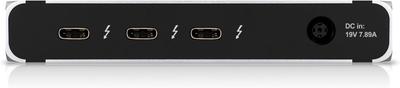
- 1x TB4 host, 3x TB4 downstream 40Gbps, 4x USB-A 10Gbps
- Hyper HyperDrive Next 10-Port USB-C Hub
- 1x USB-C PD input (140W), 2x USB-C 10Gbps data, 1x USB-A 10Gbps, 1x USB-A 5Gbps, 1x HDMI 4K60, SD + microSD 4.0 (312MB/s), GbE, 3.5mm combo audio
Thunderbolt Version
- CalDigit Element Hub
- 4
- Hyper HyperDrive Next 10-Port USB-C Hub
- None
Max Display Support
- CalDigit Element Hub
- Dual 4K
- Hyper HyperDrive Next 10-Port USB-C Hub
- Single display
Max Display Resolution
- CalDigit Element Hub
- Single 8K@60Hz or dual 4K@60Hz
- Hyper HyperDrive Next 10-Port USB-C Hub
- Single 4K@60Hz
Total Ports
- CalDigit Element Hub
- 8-20%
- Hyper HyperDrive Next 10-Port USB-C Hub
- 10Best
Host Power Delivery
- CalDigit Element Hub
- 60 W-57%
- Hyper HyperDrive Next 10-Port USB-C Hub
- 140 W
Ethernet
- CalDigit Element Hub
- No
- Hyper HyperDrive Next 10-Port USB-C Hub
- Yes
DisplayLink Driver Required
- CalDigit Element Hub
- No
- Hyper HyperDrive Next 10-Port USB-C Hub
- No
Max Displays Windows
- CalDigit Element Hub
- 2
- Hyper HyperDrive Next 10-Port USB-C Hub
- 1
Max Single Display Resolution
- CalDigit Element Hub
- 8K
- Hyper HyperDrive Next 10-Port USB-C Hub
- 4K
Max Single Display Refresh
- CalDigit Element Hub
- 60 Hz
- Hyper HyperDrive Next 10-Port USB-C Hub
- 60 Hz
HDMI Port Count
- CalDigit Element Hub
- 0
- Hyper HyperDrive Next 10-Port USB-C Hub
- 1
DisplayPort Port Count
- CalDigit Element Hub
- 0
- Hyper HyperDrive Next 10-Port USB-C Hub
- 0
DisplayPort Version
- CalDigit Element Hub
- None
- Hyper HyperDrive Next 10-Port USB-C Hub
- None
Downstream Thunderbolt Port Count
- CalDigit Element Hub
- 3
- Hyper HyperDrive Next 10-Port USB-C Hub
- 0
USB-A Port Count
- CalDigit Element Hub
- 4
- Hyper HyperDrive Next 10-Port USB-C Hub
- 2
Max USB Data Rate
- CalDigit Element Hub
- 10Gbps
- Hyper HyperDrive Next 10-Port USB-C Hub
- 10Gbps
Ethernet Speed
- CalDigit Element Hub
- None
- Hyper HyperDrive Next 10-Port USB-C Hub
- 1GbE
macOS Supported
- CalDigit Element Hub
- Yes
- Hyper HyperDrive Next 10-Port USB-C Hub
- Yes
Windows Supported
- CalDigit Element Hub
- Yes
- Hyper HyperDrive Next 10-Port USB-C Hub
- Yes
ChromeOS Supported
- CalDigit Element Hub
- Yes
- Hyper HyperDrive Next 10-Port USB-C Hub
- Yes
Weight
- CalDigit Element Hub
- 180 g
- Hyper HyperDrive Next 10-Port USB-C Hub
- 96.5 gBest
OS Compatibility
- CalDigit Element Hub
- Mac, Windows, iPadOS, ChromeOS
- Hyper HyperDrive Next 10-Port USB-C Hub
- Mac, Windows, ChromeOS
Price
- CalDigit Element Hub
- ~$100
- Hyper HyperDrive Next 10-Port USB-C Hub
- ~$100


Which one should you pick?
Choose CalDigit Element Hub if you already have it on hand or find it at a lower price.
Choose Hyper HyperDrive Next 10-Port USB-C Hub if you want the higher total ports (10 vs 8) and the higher host power delivery (140 W vs 60 W).
Price comparison
| Retailer | CalDigit Element Hub | Hyper HyperDrive Next 10-Port USB-C Hub |
|---|---|---|
| Consumercarts listing | $100.00 View on Consumercarts listing | |
| Best Buy | $100.00 View on Best Buy | |
| Amazon | View on Amazon |
Disclaimer: The price and specification of the given product may differ from the actual product. Please confirm on the retailer's website before buying.
Verdict
CalDigit Element Hub
6 / 10 Expert Rating
A sensible budget entry point into Thunderbolt 4 port expansion, not a dock replacement.
Hyper HyperDrive Next 10-Port USB-C Hub
7 / 10 Expert Rating
A sturdily built compact hub that stands out for its iPad Pro support and unibody design.