
Consumercarts is reader-supported. Learn more
AMD Ryzen 7 5800XT vs AMD Ryzen 7 9850X3D: Comparison
AMD Ryzen 7 5800XT and AMD Ryzen 7 9850X3D separate most on l3 cache: AMD Ryzen 7 5800XT at 32 MB, AMD Ryzen 7 9850X3D at 96 MB, 67% in favour of AMD Ryzen 7 9850X3D. L2 Cache splits them by another 50%, again favouring AMD Ryzen 7 9850X3D. They match on 7 other specifications, including product line, market segment and performance cores. In Blender Cycles (CPU) the AMD Ryzen 7 9850X3D scores 345 against 213 for the AMD Ryzen 7 5800XT, a lead of 38%.
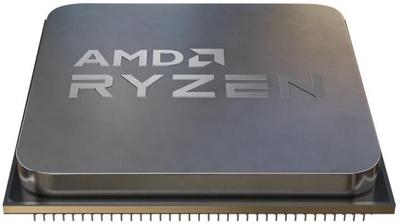
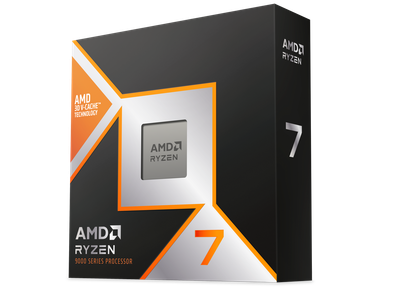
Specs
| Specification |  |  |
|---|---|---|
| Product Line | Ryzen | Ryzen |
| Form Factor | Boxed Processor, Desktops | Desktop |
| Model Number | 5800XT | 9850X3D |
| Codename | Vermeer | Granite Ridge |
| TDP | 105 W | 120 W |
| iGPU | Discrete Graphics Card Required | None (CPU only; AMD Radeon Graphics branding on box, no functional iGPU on this SKU) |
| Market Segment | Desktop | Desktop |
| Socket | AM4 | AM5 |
| Socket Status | Mature | Current |
| Process Node | 7 nm | 4 nm |
| Performance Cores | 8 | 8 |
| Efficiency Cores | 0 | 0 |
| SMT Enabled | Yes | true |
| P-Core Base Clock | 3.8 | 4.7 |
| P-Core Boost Clock | 4.8 | 5.6 |
| Unlocked Multiplier | Yes | true |
| L2 Cache | 4 MB-50% | 8 MB |
| L3 Cache | 32 MB-67% | 96 MB |
| Base Power | 105 W | 120 W |
| Max Turbo Power | 142 | 162 |
| Memory Type | DDR4 | DDR5 |
| Max Memory Speed | 3200 | 5600 |
| Memory Channels | 2 | 2 |
| ECC Support | No | true |
| Integrated Graphics | No | Yes |
| PCIe Generation | PCIe 4.0 | PCIe 5.0 |
| PCIe Lanes | 20-17% | 24 |
| Retail Availability | Boxed Retail | Tray OEM |
| Cores | 8 | 8 |
| Threads | 16 | 16 |
| Memory Support | DDR4, 2-Channel | DDR5-5600 |
Benchmarks
Measured results, not specifications. Percentages are the gap to the leading product in each test.
Blender Cycles (CPU)
Blender 4.5, Blender Open Data (CC0). Median of monster + junkshop + classroom, combined samples/min.
Blender renders 3D scenes by tracing light through them, which loads every core at once. The score measures sustained multi-core throughput, so a chip that wins here can still lose at gaming, where one or two fast cores matter more. Figures come from Blender's Open Data project, which places no restriction on reuse, and we publish the median of every submission for that chip on the same Blender version.