
Consumercarts is reader-supported. Learn more
Intel Core Ultra 7 265T vs Intel Processor U301L: Comparison
Core Ultra 7 265T vs Processor U301L l3 cache compared
L3 cache is where these two genuinely part company, Core Ultra 7 265T 30 MB against Processor U301L 8 MB, a 73% lead for Core Ultra 7 265T. P-core boost clock is not the same on both, 5.3 GHz on the Core Ultra 7 265T versus 4.2 GHz on the Processor U301L. P-core base clock is not the same on both, 1.5 GHz on the Core Ultra 7 265T versus 1.2 GHz on the Processor U301L. There is a split on tdp as well, 35 W on the Core Ultra 7 265T versus 15 W on the Processor U301L. There is a split on socket as well, FCLGA1851 on the Core Ultra 7 265T versus Socket 1700 on the Processor U301L.
Core Ultra 7 265T vs Processor U301L: which one fits your build
Buy the Core Ultra 7 265T for desktop gaming and everyday productivity, though it is the wrong buy for laptops and fanless designs. The Processor U301L suits industrial panel PCs and thin clients, though it is not the pick for gaming systems and workstation loads. Our rating of the Core Ultra 7 265T (8.2/10): the Intel Core Ultra 7 265T is a mainstream desktop Arrow Lake-S processor, a solid pick for everyday desktop builds. Our rating of the Processor U301L (7.4/10): the Intel Processor U301L is a long-lifecycle embedded processor, built for industrial and commercial systems rather than consumer use.
What Core Ultra 7 265T and Processor U301L have in common
The common ground is wider than the gap: integrated graphics and form factor are identical here.
Frequently asked questions
Do the Core Ultra 7 265T and Processor U301L differ on total cores?
Yes. Total Cores reads 20 on the Core Ultra 7 265T versus 5 on the Processor U301L.
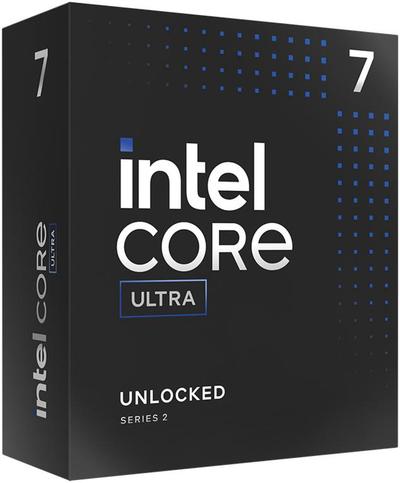
Specs and benchmarks
Form Factor
- Intel Core Ultra 7 265T
- Desktop
- Intel Processor U301L
- Desktop
Codename
- Intel Core Ultra 7 265T
- Arrow Lake
- Intel Processor U301L
- Raptor Lake
Release Year
- Intel Core Ultra 7 265T
- 2025
- Intel Processor U301L
- 2024
TDP
- Intel Core Ultra 7 265T
- 35 W
- Intel Processor U301L
- 15 W
iGPU
- Intel Core Ultra 7 265T
- Intel Graphics
- Intel Processor U301L
- Intel UHD Graphics
Market Segment
- Intel Core Ultra 7 265T
- Desktop
- Intel Processor U301L
- Embedded
Socket
- Intel Core Ultra 7 265T
- FCLGA1851
- Intel Processor U301L
- Socket 1700
Total Cores
- Intel Core Ultra 7 265T
- 20Best
- Intel Processor U301L
- 5
Performance Cores
- Intel Core Ultra 7 265T
- 8Best
- Intel Processor U301L
- 1
Efficiency Cores
- Intel Core Ultra 7 265T
- 12Best
- Intel Processor U301L
- 4
Total Threads
- Intel Core Ultra 7 265T
- 20Best
- Intel Processor U301L
- 6
SMT Enabled
- Intel Core Ultra 7 265T
- No
- Intel Processor U301L
- Yes
P-Core Base Clock
- Intel Core Ultra 7 265T
- 1.5 GHz
- Intel Processor U301L
- 1.2 GHz
P-Core Boost Clock
- Intel Core Ultra 7 265T
- 5.3 GHz
- Intel Processor U301L
- 4.2 GHz
L3 Cache
- Intel Core Ultra 7 265T
- 30 MBBest
- Intel Processor U301L
- 8 MB-73%
Base Power
- Intel Core Ultra 7 265T
- 35 W
- Intel Processor U301L
- 15 W
Max Turbo Power
- Intel Core Ultra 7 265T
- 112 W
- Intel Processor U301L
- 55 W
Memory Type
- Intel Core Ultra 7 265T
- DDR5
- Intel Processor U301L
- DDR5, DDR4
Integrated Graphics
- Intel Core Ultra 7 265T
- Yes
- Intel Processor U301L
- Yes


Which one should you pick?
Choose 265T if you want the higher L3 cache (30 MB vs 8 MB).
Choose U301L if you already have it on hand or find it at a lower price.
Verdict
Intel Core Ultra 7 265T
8.2 / 10 Expert Rating
The Intel Core Ultra 7 265T is a mainstream desktop Arrow Lake-S processor, a solid pick for everyday desktop builds.
Intel Processor U301L
7.4 / 10 Expert Rating
The Intel Processor U301L is a long-lifecycle embedded processor, built for industrial and commercial systems rather than consumer use.