
Consumercarts is reader-supported. Learn more
Intel Core Ultra 7 265T vs Intel Processor 300: Comparison
Core Ultra 7 265T vs Processor 300 l3 cache compared
L3 cache is where these two genuinely part company, Core Ultra 7 265T 30 MB against Processor 300 6 MB, a 80% lead for Core Ultra 7 265T. There is a split on p-core boost clock as well, 5.3 GHz on the Core Ultra 7 265T versus 4.0 GHz on the Processor 300. There is a split on p-core base clock as well, 1.5 GHz on the Core Ultra 7 265T versus 3.9 GHz on the Processor 300. They differ on tdp too, 35 W on the Core Ultra 7 265T versus 65 W on the Processor 300. There is a split on socket as well, FCLGA1851 on the Core Ultra 7 265T versus Socket 1700 on the Processor 300.
Core Ultra 7 265T vs Processor 300: which one fits your build
The Core Ultra 7 265T is the one to take for desktop gaming and everyday productivity, though it is the wrong buy for laptops and fanless designs. Buy the Processor 300 for point-of-sale systems and kiosks, though it is not the pick for gaming builds and content creation. Our rating of the Core Ultra 7 265T (8.2/10): the Intel Core Ultra 7 265T is a mainstream desktop Arrow Lake-S processor, a solid pick for everyday desktop builds. Our rating of the Processor 300 (7.3/10): the Intel Processor 300 is a minimal-core embedded desktop chip, adequate for kiosk and point-of-sale duty.
What Core Ultra 7 265T and Processor 300 have in common
The common ground is wider than the gap: integrated graphics, form factor and market segment are identical here.
Frequently asked questions
Do the Core Ultra 7 265T and Processor 300 differ on total cores?
Yes. Total Cores reads 20 on the Core Ultra 7 265T versus 2 on the Processor 300.
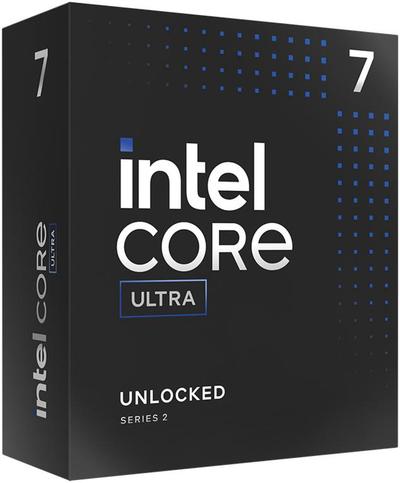
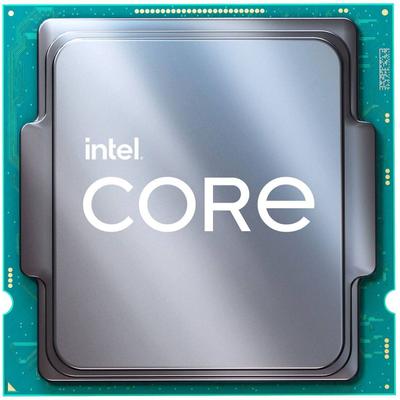
Specs and benchmarks
Form Factor
- Intel Core Ultra 7 265T
- Desktop
- Intel Processor 300
- Desktop
Codename
- Intel Core Ultra 7 265T
- Arrow Lake
- Intel Processor 300
- Raptor Lake
Release Year
- Intel Core Ultra 7 265T
- 2025
- Intel Processor 300
- 2024
TDP
- Intel Core Ultra 7 265T
- 35 W
- Intel Processor 300
- 65 W
iGPU
- Intel Core Ultra 7 265T
- Intel Graphics
- Intel Processor 300
- Intel UHD Graphics 710
Market Segment
- Intel Core Ultra 7 265T
- Desktop
- Intel Processor 300
- Desktop
Socket
- Intel Core Ultra 7 265T
- FCLGA1851
- Intel Processor 300
- Socket 1700
Process Node
- Intel Core Ultra 7 265T
- 3 nm
- Intel Processor 300
- 7 nm
Total Cores
- Intel Core Ultra 7 265T
- 20Best
- Intel Processor 300
- 2
Performance Cores
- Intel Core Ultra 7 265T
- 8Best
- Intel Processor 300
- 2
Efficiency Cores
- Intel Core Ultra 7 265T
- 12Best
- Intel Processor 300
- 0
Total Threads
- Intel Core Ultra 7 265T
- 20Best
- Intel Processor 300
- 4
SMT Enabled
- Intel Core Ultra 7 265T
- No
- Intel Processor 300
- Yes
P-Core Base Clock
- Intel Core Ultra 7 265T
- 1.5 GHz
- Intel Processor 300
- 3.9 GHz
P-Core Boost Clock
- Intel Core Ultra 7 265T
- 5.3 GHz
- Intel Processor 300
- 4.0 GHz
L3 Cache
- Intel Core Ultra 7 265T
- 30 MBBest
- Intel Processor 300
- 6 MB-80%
Base Power
- Intel Core Ultra 7 265T
- 35 W
- Intel Processor 300
- 46 W
Memory Type
- Intel Core Ultra 7 265T
- DDR5
- Intel Processor 300
- DDR5, DDR4
Integrated Graphics
- Intel Core Ultra 7 265T
- Yes
- Intel Processor 300
- Yes


Which one should you pick?
Choose Intel Core Ultra 7 265T if you want the higher L3 cache (30 MB vs 6 MB).
Choose Intel Processor 300 if you already have it on hand or find it at a lower price.
Verdict
Intel Core Ultra 7 265T
8.2 / 10 Expert Rating
The Intel Core Ultra 7 265T is a mainstream desktop Arrow Lake-S processor, a solid pick for everyday desktop builds.
Intel Processor 300
7.3 / 10 Expert Rating
The Intel Processor 300 is a minimal-core embedded desktop chip, adequate for kiosk and point-of-sale duty.