
Consumercarts is reader-supported. Learn more
ADATA AD4U3200716G22-BADZ vs Corsair SHUGO DDR5: Comparison
ADATA AD4U3200716G22-BADZ vs Corsair SHUGO DDR5: the true latency difference
On true latency the spread is 48%, ADATA AD4U3200716G22-BADZ 13.8 ns against Corsair SHUGO DDR5 9.3 ns, so Corsair SHUGO DDR5 takes it. ADATA AD4U3200716G22-BADZ also leads on cas latency, 22 on the ADATA AD4U3200716G22-BADZ versus 28 on the Corsair SHUGO DDR5. Add peak bandwidth to that, 25.6 GB/s on the ADATA AD4U3200716G22-BADZ versus 96.0 GB/s on the Corsair SHUGO DDR5, and the pattern holds. They differ on ddr generation too, DDR4 on the ADATA AD4U3200716G22-BADZ versus DDR5 on the Corsair SHUGO DDR5. Module count is not the same on both, 1 on the ADATA AD4U3200716G22-BADZ versus 2 on the Corsair SHUGO DDR5. They differ on ram segment too, Industrial/Embedded on the ADATA AD4U3200716G22-BADZ versus Desktop DDR5 on the Corsair SHUGO DDR5. They differ on form factor too, DIMM on the ADATA AD4U3200716G22-BADZ versus Desktop DIMM on the Corsair SHUGO DDR5. There is a split on platform optimisation as well, JEDEC Only on the ADATA AD4U3200716G22-BADZ versus AM5 on the Corsair SHUGO DDR5.
Who each one is for
Take the Corsair SHUGO DDR5 for Corsair collectors who want the SHUGO artist-series design and bundled LEK accessories. The same goes for builders who specifically want a verified CL28 timing at DDR5-6000 and don't mind paying a design premium for it. It is the wrong buy for value-focused buyers who just want the tightest CL28-32 DDR5-6000 timings for the lowest price. Our rating of the Corsair SHUGO DDR5 (7.4/10): the CL28 timing at DDR5-6000 is a genuinely strong, verifiable spec, tighter than Corsair's own mainstream DDR5-6000 kits.
Where the two are identical
Where they agree, they agree completely, capacity per module and warranty included, so the decision does not turn on any of those.

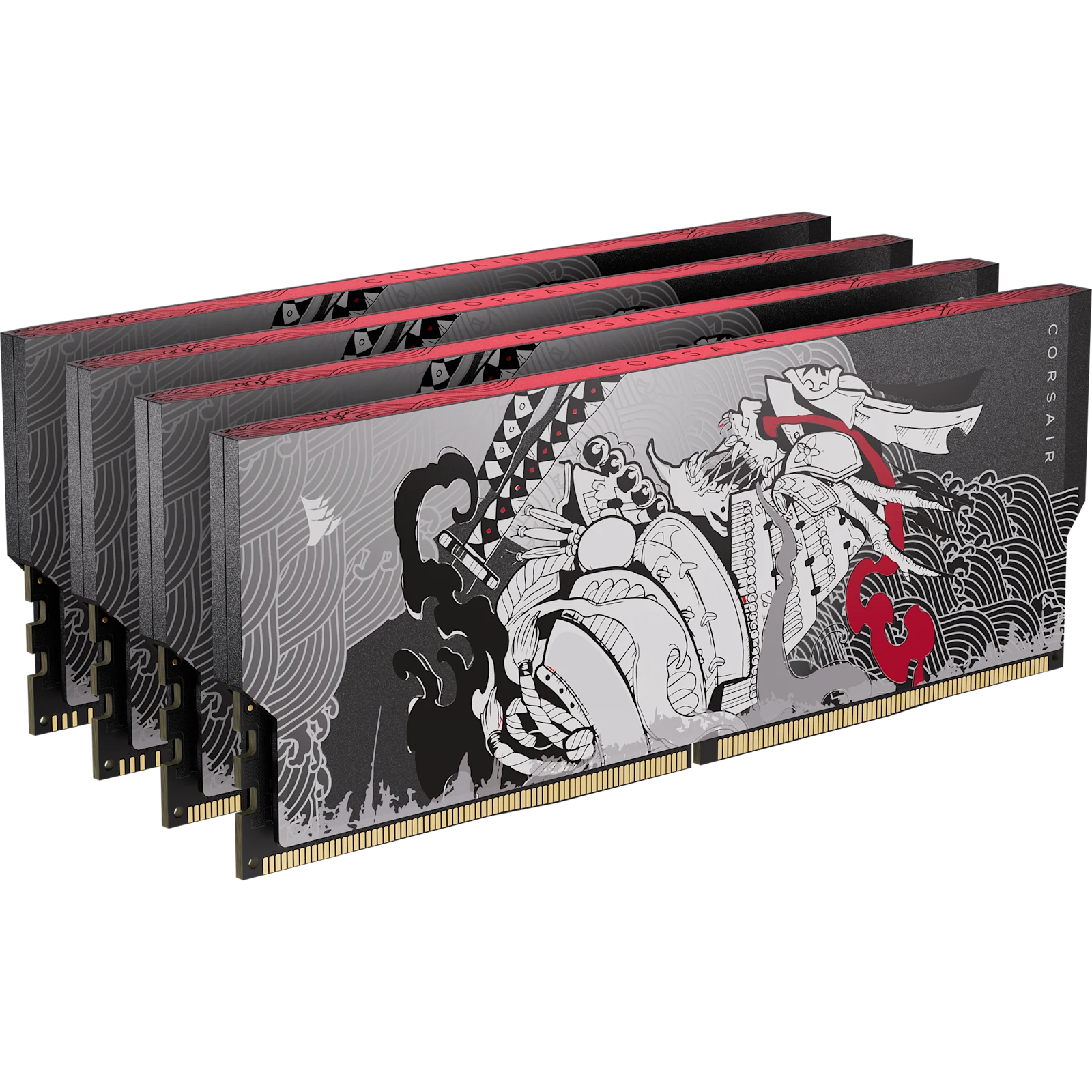
Specs and benchmarks
Speed Score
- ADATA AD4U3200716G22-BADZ
- –
- Corsair SHUGO DDR5
- 8.8/10
DDR4 and DDR5 kits are scored on separate scales, so these two scores can't be compared directly. Your motherboard supports only one of the two.
DDR Generation
- ADATA AD4U3200716G22-BADZ
- DDR4
- Corsair SHUGO DDR5
- DDR5
Brand
- ADATA AD4U3200716G22-BADZ
- ADATA
- Corsair SHUGO DDR5
- Corsair
Part Number
- ADATA AD4U3200716G22-BADZ
- AD4U3200716G22-BADZ
- Corsair SHUGO DDR5
- CMZ32GX5M2X6000Z28OB
Series
- ADATA AD4U3200716G22-BADZ
- ADATA Industrial
- Corsair SHUGO DDR5
- SHUGO (Onyx Blade colorway shown; also sold as Sakura Noa)
CAS Latency
- ADATA AD4U3200716G22-BADZ
- 22Best
- Corsair SHUGO DDR5
- 28-27%
Module Count
- ADATA AD4U3200716G22-BADZ
- 1
- Corsair SHUGO DDR5
- 2
RAM Segment
- ADATA AD4U3200716G22-BADZ
- Industrial/Embedded
- Corsair SHUGO DDR5
- Desktop DDR5
Form Factor
- ADATA AD4U3200716G22-BADZ
- DIMM
- Corsair SHUGO DDR5
- Desktop DIMM (UDIMM, 288-pin)
Platform Optimisation
- ADATA AD4U3200716G22-BADZ
- JEDEC Only
- Corsair SHUGO DDR5
- AM5
Capacity Per Module
- ADATA AD4U3200716G22-BADZ
- 16 GB
- Corsair SHUGO DDR5
- 16 GB
True Latency
- ADATA AD4U3200716G22-BADZ
- 13.8 ns-48%
- Corsair SHUGO DDR5
- 9.3 nsBest
Warranty
- ADATA AD4U3200716G22-BADZ
- Limited Lifetime
- Corsair SHUGO DDR5
- Limited Lifetime
Peak Bandwidth
- ADATA AD4U3200716G22-BADZ
- 25.6 GB/s-73%
- Corsair SHUGO DDR5
- 96.0 GB/sBest
Which one should you pick?
Choose ADATA AD4U3200716G22-BADZ if you want the lower CAS latency (22 vs 28) and the higher capacity per module (16 GB vs 16 GB).
Choose Corsair SHUGO DDR5 if you want the lower true latency (9.3 ns vs 13.8 ns) and the higher peak bandwidth (96.0 GB/s vs 25.6 GB/s).
Price comparison
| Retailer | ADATA AD4U3200716G22-BADZ | Corsair SHUGO DDR5 |
|---|---|---|
| Consumercarts listing | $617.99 View on Consumercarts listing |
Disclaimer: The price and specification of the given product may differ from the actual product. Please confirm on the retailer's website before buying.
Verdict
Corsair SHUGO DDR5
7.4 / 10 Expert Rating
The CL28 timing at DDR5-6000 is a genuinely strong, verifiable spec, tighter than Corsair's own mainstream DDR5-6000 kits.