
Consumercarts is reader-supported. Learn more
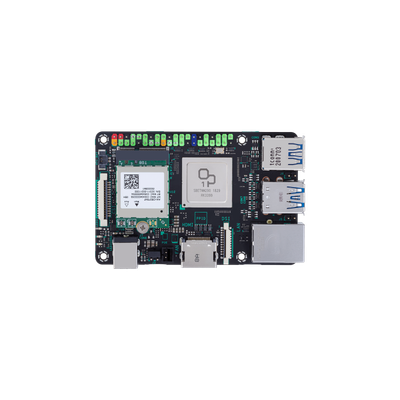
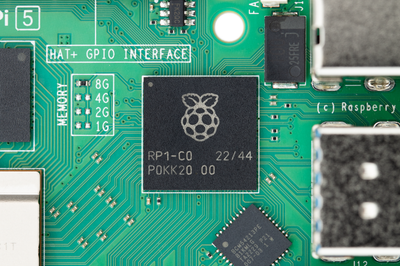
ASUS Tinker Board 2 vs Raspberry Pi 5: Comparison
ASUS Tinker Board 2 vs Raspberry Pi 5: the gpu model difference
The first real difference is gpu model: ASUS Tinker Board 2 Mali-T860MP4 against Raspberry Pi 5 VideoCore VII, supports OpenGL ES 3.1, Vulkan 1.2. Memory runs the same way, 4 GB on the ASUS Tinker Board 2 versus 2 GB on the Raspberry Pi 5, another win for ASUS Tinker Board 2. They differ on wireless too, WiFi 5 on the ASUS Tinker Board 2 versus WiFi 5, Bluetooth on the Raspberry Pi 5.
Who each one is for
The ASUS Tinker Board 2 suits kiosk, digital signage, and point-of-sale deployments and small-batch industrial integrators needing supply guarantees, though it is not built for budget-conscious hobbyists (Radxa ROCK Pi 4C Plus is cheaper) and anyone needing the largest possible community/tutorial base. The Raspberry Pi 5 is the one to take for single-purpose appliances, home automation hubs, and headless servers. It is equally the pick for budget-conscious builds that want Pi 5 CPU/IO speed without paying for extra RAM. It is not the one for multitasking-heavy desktop use or anything running several containers at once, where the 4GB or 8GB model is worth the extra cost. Our rating of the ASUS Tinker Board 2 (6.8/10): A capable but pricier RK3399 board whose real selling point is ASUS's industrial supply-chain guarantees rather than anything hobbyists specifically need.
ASUS Tinker Board 2 vs Raspberry Pi 5 price
Cost splits them too. Raspberry Pi 5 sits at $50.00, ASUS Tinker Board 2 at $110, 120% more.
Frequently asked questions
Do the ASUS Tinker Board 2 and Raspberry Pi 5 differ on storage type?
Yes. Storage Type reads eMMC on the ASUS Tinker Board 2 versus microSD, NVMe/M.2 on the Raspberry Pi 5.
Is the CPU Architecture the same on the ASUS Tinker Board 2 and Raspberry Pi 5?
It is. Both are listed at ARM, so it is not a reason to pick one over the other.
Specs and benchmarks
Brand
- ASUS Tinker Board 2
- ASUS
- Raspberry Pi 5
- Raspberry Pi Foundation
CPU Architecture
- ASUS Tinker Board 2
- ARM
- Raspberry Pi 5
- ARM
Memory
- ASUS Tinker Board 2
- 4 GBBest
- Raspberry Pi 5
- 2 GB-50%
Storage Type
- ASUS Tinker Board 2
- eMMC
- Raspberry Pi 5
- microSD, NVMe/M.2
SoC Model
- ASUS Tinker Board 2
- Rockchip RK3399, Dual Cortex-A72 @ 2.0GHz + Quad Cortex-A53 @ 1.5GHz
- Raspberry Pi 5
- Broadcom BCM2712
Wireless
- ASUS Tinker Board 2
- WiFi 5
- Raspberry Pi 5
- WiFi 5, Bluetooth
GPIO Header
- ASUS Tinker Board 2
- Yes
- Raspberry Pi 5
- Yes
Price
- ASUS Tinker Board 2
- 110 USD
- Raspberry Pi 5
- 50 USD
Use Case
- ASUS Tinker Board 2
- General Purpose
- Raspberry Pi 5
- General Purpose
GPU Model
- ASUS Tinker Board 2
- Mali-T860MP4
- Raspberry Pi 5
- VideoCore VII, supports OpenGL ES 3.1, Vulkan 1.2
Power Input
- ASUS Tinker Board 2
- 5V/3A USB-C
- Raspberry Pi 5
- 5V/5A via USB-C (PD)


Which one should you pick?
Choose ASUS Tinker Board 2 if you want the higher memory (4 GB vs 2 GB).
Choose Raspberry Pi 5 if you already have it on hand or find it at a lower price.
Price comparison
| Retailer | ASUS Tinker Board 2 | Raspberry Pi 5 |
|---|---|---|
| Consumercarts listing | $110.00 View on Consumercarts listing | $50.00 View on Consumercarts listing |
Disclaimer: The price and specification of the given product may differ from the actual product. Please confirm on the retailer's website before buying.
Verdict
ASUS Tinker Board 2
6.8 / 10 Expert Rating
A capable but pricier RK3399 board whose real selling point is ASUS's industrial supply-chain guarantees rather than anything hobbyists specifically need.