
Consumercarts is reader-supported. Learn more
3M Thermally Conductive Acrylic Interface Pad 5590H vs Coollaboratory Liquid Extreme: Comparison
What is the difference between 3M Thermally Conductive Acrylic Interface and Coollaboratory Liquid Extreme?
There is no decisive spec gap here. Thermal conductivity splits them by a margin most buyers will never feel, 3M Thermally Conductive Acrylic Interface 2.08 W/mK against Coollaboratory Liquid Extreme 41 W/mK. They differ on paste segment too, Pad on the 3M Thermally Conductive Acrylic Interface versus Liquid Metal on the Coollaboratory Liquid Extreme.
Who each one is for
The 3M Thermally Conductive Acrylic Interface suits silicone-sensitive assemblies near optics, displays or connectors and power electronics and battery gap filling, though it is the wrong buy for high-end GPU memory or VRM cooling. Avoid it for builds where silicone pads are acceptable and higher conductivity is wanted. The Coollaboratory Liquid Extreme is the one to take for delidded CPUs with nickel-plated copper heatspreaders and coolers and high-end GPU direct-die cooling with careful masking, though it is not the pick for any aluminum cooler, heatspreader or cold plate and first-time builders or anyone uncomfortable masking components. It is equally the pick for experienced builders wanting a more spreadable liquid metal than Liquid Pro. It is the wrong buy for laptops or GPUs where a spill could reach exposed components unnoticed. Our rating of the 3M Thermally Conductive Acrylic Interface (6.6/10): an industrial acrylic interface pad from an established materials manufacturer, aimed at OEM and repair use rather than enthusiast builds. Our rating of the Coollaboratory Liquid Extreme (7.6/10): A straightforward 100% metal TIM from an established liquid-metal specialist, performance-focused rather than beginner-friendly.
Frequently asked questions
Do the 3M Thermally Conductive Acrylic Interface and Coollaboratory Liquid Extreme differ on compound type?
Yes. Compound Type reads Acrylic Pad on the 3M Thermally Conductive Acrylic Interface versus Liquid Metal on the Coollaboratory Liquid Extreme.
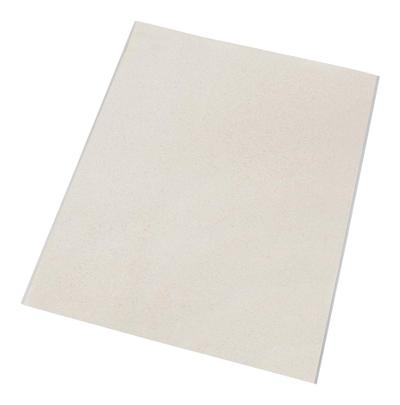

Specs and benchmarks
Brand
- 3M Thermally Conductive Acrylic Interface Pad 5590H
- 3M
- Coollaboratory Liquid Extreme
- Coollaboratory
Compound Type
- 3M Thermally Conductive Acrylic Interface Pad 5590H
- Acrylic Pad
- Coollaboratory Liquid Extreme
- Liquid Metal
Model
- 3M Thermally Conductive Acrylic Interface Pad 5590H
- 5590H
- Coollaboratory Liquid Extreme
- Liquid Extreme
Thermal Conductivity
- 3M Thermally Conductive Acrylic Interface Pad 5590H
- 2.08 W/mK (ASTM D5470)
- Coollaboratory Liquid Extreme
- 41 W/mK (retailer-quoted; Coollaboratory prints no figure)Best
Electrical Conductivity
- 3M Thermally Conductive Acrylic Interface Pad 5590H
- Insulating
- Coollaboratory Liquid Extreme
- Conductive
Package Size
- 3M Thermally Conductive Acrylic Interface Pad 5590H
- Sheets and die-cut shapes, 0.5/1.0/1.2/1.5/2.0mm thick
- Coollaboratory Liquid Extreme
- About 0.15ml (roughly 1g) kit with cleaning cloth
Recommended Use
- 3M Thermally Conductive Acrylic Interface Pad 5590H
- Battery cooling, power electronics and HMI displays (general electronics gap filling)
- Coollaboratory Liquid Extreme
- High-end CPU/GPU, Delidded-Direct-Die
Reapplication Interval
- 3M Thermally Conductive Acrylic Interface Pad 5590H
- No reapplication needed; self-adhesive one-time application
- Coollaboratory Liquid Extreme
- Multi-year lifespan once applied; not intended for frequent reapplication
Safety Notes
- 3M Thermally Conductive Acrylic Interface Pad 5590H
- Non-conductive acrylic pad; no special handling precautions required
- Coollaboratory Liquid Extreme
- Gallium-based liquid metal alloy. Will alloy with and corrode bare aluminum on contact, so never use it on aluminum heatsinks, cold plates or aluminum dies/IHS. Use only on nickel-plated copper or protected surfaces, avoid skin and eye contact, and contain spills immediately.
Conductivity Source
- 3M Thermally Conductive Acrylic Interface Pad 5590H
- https://multimedia.3m.com/mws/media/920112O/3m-thermally-conductive-acrylic-interface-pad-5590h-technical-data-sheet.pdf
- Coollaboratory Liquid Extreme
- https://www.overclockers.co.uk/coollaboratory-liquid-extreme-1g-cleaning-set-th-019-cl.html
Viscosity
- 3M Thermally Conductive Acrylic Interface Pad 5590H
- Firm, tacky acrylic polymer sheet
- Coollaboratory Liquid Extreme
- 100 Pa-s
Paste Segment
- 3M Thermally Conductive Acrylic Interface Pad 5590H
- Pad
- Coollaboratory Liquid Extreme
- Liquid Metal


Which one should you pick?
Choose 3M Thermally Conductive Acrylic Interface Pad 5590H if you already have it on hand or find it at a lower price.
Choose Coollaboratory Liquid Extreme if you want the higher thermal conductivity (41 W/mK (retailer-quoted; Coollaboratory prints no figure) vs 2.08 W/mK (ASTM D5470)).
Price comparison
| Retailer | 3M Thermally Conductive Acrylic Interface Pad 5590H | Coollaboratory Liquid Extreme |
|---|---|---|
| Amazon | View on Amazon | View on Amazon |
| Newark | View on Newark | |
| Coollaboratory | View on Coollaboratory | |
| Performance-PCs | View on Performance-PCs |
Disclaimer: The price and specification of the given product may differ from the actual product. Please confirm on the retailer's website before buying.
Verdict
3M Thermally Conductive Acrylic Interface Pad 5590H
6.6 / 10 Expert Rating
An industrial acrylic interface pad from an established materials manufacturer, aimed at OEM and repair use rather than enthusiast builds.
Coollaboratory Liquid Extreme
7.6 / 10 Expert Rating
A straightforward 100% metal TIM from an established liquid-metal specialist, performance-focused rather than beginner-friendly.