
AMD Radeon 8060S
Expert rating9 / 10
- GPU Brand:
- AMD
- Architecture:
- RDNA 3.5
- Tier:
- Integrated
- Compute Units:
- 40
- Memory Type:
- Unified LPDDR5x
- Max Memory:
- 128 GB
- Memory Bandwidth:
- 256 GB/s
- Discrete GPU Required:
- No
Consumercarts is reader-supported. Learn more
Disclaimer: The price and specification of the given product may differ from the actual product. Please confirm on the retailer's website before buying.
Manufacturer: AMD Last updated: September 11, 2026
AMD Radeon 8060S Review
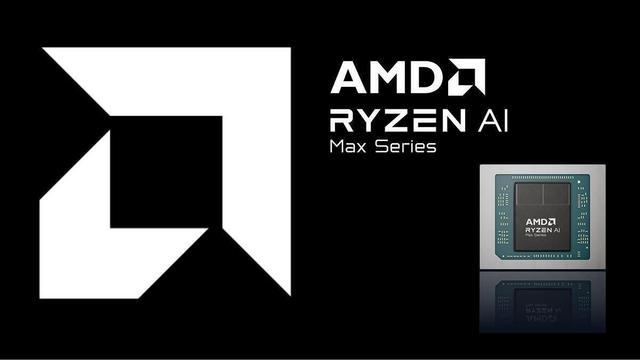
The AMD Radeon 8060S is an integrated RDNA 3.5 GPU with 40 compute units and up to 128GB of unified LPDDR5x memory at 256GB/s bandwidth, found in Ryzen AI Max+ 395 (Strix Halo) systems.
The Radeon 8060S is the integrated GPU that actually forced a rethink of what "integrated graphics" means. With 40 compute units, more than three times the Radeon 780M's 12, and access to up to 128GB of unified LPDDR5x memory at 256GB/s bandwidth, it's built on a fundamentally different scale than a normal desktop APU's graphics. AMD's own benchmarks put its 1080p performance in some titles in the same range as an RTX 4070, a claim independent reviewers have found broadly credible for well-optimized games, though not a universal win across every title. The catch is availability, this isn't a GPU you get by buying a standard boxed desktop CPU, it comes bundled into specific mini-PC and developer-platform systems built around the Ryzen AI Max+ 395 chip, closer to how a laptop's integrated graphics work than a normal desktop upgrade path.
Why Unified Memory Bandwidth Is the Real Story
Every other integrated GPU on this list shares regular system DDR4/DDR5 memory, which bottlenecks GPU performance under real load. The 8060S instead draws from up to 128GB of LPDDR5x at 256GB/s, a genuinely different memory subsystem that removes the bandwidth starvation that's held back integrated graphics for years. That architectural choice, not just the higher compute unit count, is what lets it approach discrete-GPU territory.
Comparison to Alternatives
Against our AMD Radeon 780M, there's no real competition, 40 compute units and unified high-bandwidth memory versus 12 compute units and shared DDR5 puts the 8060S in an entirely different performance class, at a correspondingly different price and system category. Against genuine discrete GPUs like our RTX 4070-adjacent and RX 9070 listings, the 8060S closes the gap remarkably in specific optimized titles but doesn't guarantee parity across every game, it's the strongest integrated GPU available, not a universal discrete-GPU replacement.
Our verdict
Reviewed by Burooj Alam. Rated by us, not by users.
Expert rating9 / 10
The strongest integrated GPU available, 40 RDNA 3.5 compute units and 256GB/s unified memory put it in a different class from any desktop APU, though availability is limited to specific pre-built Strix Halo systems.
Best for
- Small-form-factor or mini-PC builds wanting near-discrete-GPU 1080p gaming without a separate graphics card.
- AI/local inference workloads that benefit from a large unified memory pool alongside GPU compute.
Not for
- Anyone expecting a normal desktop CPU-buying experience, this GPU only comes bundled in specific pre-built systems.
- Buyers who need guaranteed performance parity with a genuine discrete GPU across every game, results vary meaningfully by title.
Specifications
What these specs meanIdentity and type
| Product Type | Integrated GPU |
|---|---|
| GPU Brand | AMD |
| GPU Model | Radeon 8060S |
Performance
| Memory Type | Unified LPDDR5x |
|---|---|
| Boost Clock | 2900 MHz |
Silicon
| Architecture | RDNA 3.5 |
|---|---|
| Compute Blocks | 40 |
Memory
| Memory Bus Width | 256 bit |
|---|---|
| Memory Bandwidth | 256 GB/s |
Market and workstation
| Launch Date | January 2025 |
|---|
FAQs
What are the key specifications of the AMD Radeon 8060S (RDNA 3.5/40 Compute Units/Unified LPDDR5x up to 128GB/256GB/s/Integrated)?
Key specs for the AMD Radeon 8060S: Memory Bandwidth 256 GB/s, Boost Clock 2900 MHz, Configurable TDP 45-120 W, GPU AMD Radeon 8060S, Product Type Integrated GPU, Architecture RDNA 3.5.
Who is the AMD Radeon 8060S (RDNA 3.5/40 Compute Units/Unified LPDDR5x up to 128GB/256GB/s/Integrated) best suited to?
Best suited to: Small-form-factor or mini-PC builds wanting near-discrete-GPU 1080p gaming without a separate graphics card; AI/local inference workloads that benefit from a large unified memory pool alongside GPU compute.
What are the drawbacks of the AMD Radeon 8060S (RDNA 3.5/40 Compute Units/Unified LPDDR5x up to 128GB/256GB/s/Integrated)?
Not the best fit for: Anyone expecting a normal desktop CPU-buying experience, this GPU only comes bundled in specific pre-built systems; Buyers who need guaranteed performance parity with a genuine discrete GPU across every game, results vary meaningfully by title.
Compare and read more
- Acer Predator BiFrost OC Arc A770 vs AMD Radeon 8060S (RDNA 3.5/40 Compute Units/Unified LPDDR5x up to 128GB/256GB/s/Integrated)
- AMD Instinct MI210 vs AMD Radeon 8060S (RDNA 3.5/40 Compute Units/Unified LPDDR5x up to 128GB/256GB/s/Integrated)
- AMD Instinct MI100 vs AMD Radeon 8060S (RDNA 3.5/40 Compute Units/Unified LPDDR5x up to 128GB/256GB/s/Integrated)
- AMD Instinct MI250 vs AMD Radeon 8060S (RDNA 3.5/40 Compute Units/Unified LPDDR5x up to 128GB/256GB/s/Integrated)
- How Much Should You Spend on a Laptop in 2026?
- Laptop Buying Guide 2026: What To Look For Before You Buy