
Consumercarts is reader-supported. Learn more
ASUS Tinker Board S vs Radxa Rock Pi X: Comparison
What is the difference between ASUS Tinker Board S and Radxa Rock Pi X?
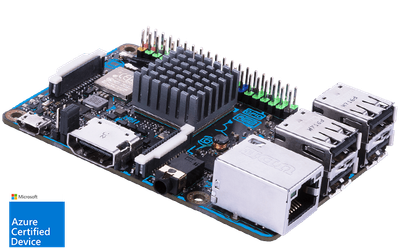
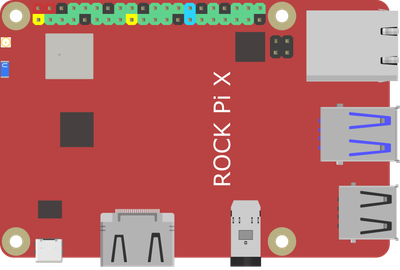
The first real difference is cpu architecture: ASUS Tinker Board S ARM against Radxa Rock Pi X x86. They differ on connectivity too, Gigabit Ethernet, USB 3.0, HDMI, 40-pin GPIO on the ASUS Tinker Board S versus Gigabit Ethernet, USB 3.0, USB 2.0, HDMI, 40-pin GPIO on the Radxa Rock Pi X.
Which should you buy, ASUS Tinker Board S or Radxa Rock Pi X?
The ASUS Tinker Board S suits digital signage and kiosk displays needing reliable boot storage and always-on embedded installs avoiding SD card failure, though it is the wrong buy for new projects needing current-generation performance and GPU-intensive or 4K video applications. The Radxa Rock Pi X is the one to take for kiosk or POS terminals needing stock Windows drivers and legacy x86 software with no ARM port, though it is not the pick for performance-per-watt builds and machine learning or heavy compute workloads. Our rating of the ASUS Tinker Board S (6.5/10): dated performance-wise, but the onboard eMMC still makes it a sensible pick for always-on signage and kiosk deployments. Our rating of the Radxa Rock Pi X (6.5/10): A niche but genuinely useful pick when the requirement is 'must run x86 Windows or Linux,' not general performance.
ASUS Tinker Board S vs Radxa Rock Pi X price
Cost splits them too. Radxa Rock Pi X sits at $39.00, ASUS Tinker Board S at $79.00, 103% more.
What ASUS Tinker Board S and Radxa Rock Pi X have in common
The common ground is wider than the gap: storage type, gpio header, has ai accelerator / npu and wireless are identical here.
Frequently asked questions
Do the ASUS Tinker Board S and Radxa Rock Pi X differ on gpu model?
Yes. GPU Model reads Mali-T760 MP4 on the ASUS Tinker Board S versus Intel HD Graphics on the Radxa Rock Pi X.
Specs and benchmarks
Brand
- ASUS Tinker Board S
- ASUS
- Radxa Rock Pi X
- Radxa
CPU Architecture
- ASUS Tinker Board S
- ARM
- Radxa Rock Pi X
- x86
Model Number
- ASUS Tinker Board S
- Tinker Board S
- Radxa Rock Pi X
- ROCK Pi X
Memory
- ASUS Tinker Board S
- 2GB LPDDR3
- Radxa Rock Pi X
- 2GB or 4GB LPDDR3
Storage Type
- ASUS Tinker Board S
- eMMC
- Radxa Rock Pi X
- eMMC
SoC Model
- ASUS Tinker Board S
- Quad-Core Cortex-A17 up to 1.8GHz
- Radxa Rock Pi X
- Intel Atom x5-Z8350 (Cherry Trail)
Has AI Accelerator / NPU
- ASUS Tinker Board S
- No
- Radxa Rock Pi X
- No
Wireless
- ASUS Tinker Board S
- WiFi 5
- Radxa Rock Pi X
- WiFi 5
GPIO Header
- ASUS Tinker Board S
- Yes
- Radxa Rock Pi X
- Yes
Price
- ASUS Tinker Board S
- 79 USD
- Radxa Rock Pi X
- 39 USD
Use Case
- ASUS Tinker Board S
- General Purpose
- Radxa Rock Pi X
- x86 Compatible
GPU Model
- ASUS Tinker Board S
- Mali-T760 MP4
- Radxa Rock Pi X
- Intel HD Graphics (Gen8)
Onboard Storage
- ASUS Tinker Board S
- 16GB onboard eMMC + microSD
- Radxa Rock Pi X
- eMMC module slot + microSD
Official OS
- ASUS Tinker Board S
- TinkerOS (Debian), Android
- Radxa Rock Pi X
- Windows 10 or Linux (Debian/Ubuntu)
Connectivity
- ASUS Tinker Board S
- Gigabit Ethernet, USB 3.0, HDMI, 40-pin GPIO (Pi layout)
- Radxa Rock Pi X
- Gigabit Ethernet, USB 3.0, USB 2.0, HDMI, 40-pin GPIO (Pi layout)


Which one should you pick?
Choose ASUS Tinker Board S if you already have it on hand or find it at a lower price.
Choose Radxa Rock Pi X if you already have it on hand or find it at a lower price.
Price comparison
| Retailer | ASUS Tinker Board S | Radxa Rock Pi X |
|---|---|---|
| Consumercarts listing | $79.00 View on Consumercarts listing | $39.00 View on Consumercarts listing |
Disclaimer: The price and specification of the given product may differ from the actual product. Please confirm on the retailer's website before buying.
Verdict
ASUS Tinker Board S
6.5 / 10 Expert Rating
Dated performance-wise, but the onboard eMMC still makes it a sensible pick for always-on signage and kiosk deployments.
Radxa Rock Pi X
6.5 / 10 Expert Rating
A niche but genuinely useful pick when the requirement is 'must run x86 Windows or Linux,' not general performance.