
Consumercarts is reader-supported. Learn more
AMD Instinct MI250 vs AMD Radeon R9 Fury: Comparison
Instinct MI250 vs Radeon R9 Fury: the memory bandwidth difference
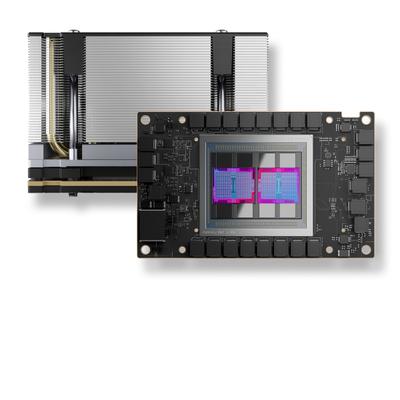
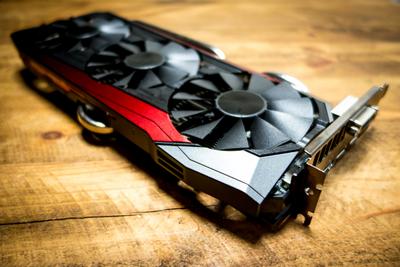
Memory bandwidth is where these two genuinely part company, Instinct MI250 3200 GB/s against Radeon R9 Fury 512 GB/s, a 84% lead for Instinct MI250. Add tdp to that, 500 W on the Instinct MI250 versus 275 W on the Radeon R9 Fury, and the pattern holds. Instinct MI250 also leads on boost clock, 1700 MHz on the Instinct MI250 versus 1000 MHz on the Radeon R9 Fury. Memory bus width runs the same way, 8192 bit on the Instinct MI250 versus 4096 bit on the Radeon R9 Fury, another win for Instinct MI250. Architecture is not the same on both, CDNA2 on the Instinct MI250 versus GCN on the Radeon R9 Fury. Shader units is not the same on both, 13312 on the Instinct MI250 versus 3584 on the Radeon R9 Fury.
Which should you buy, Instinct MI250 or Radeon R9 Fury?
The Instinct MI250 suits buyers comparing AMD's official reference specifications and researching a chip before choosing a board-partner card, though it is not the pick for overclocking-focused enthusiasts (reference clocks only). It is the wrong buy for buyers wanting a specific retail card with cooler and warranty details. The Radeon R9 Fury is the one to take for buyers comparing AMD's official reference specifications and researching a chip before choosing a board-partner card, though it is not built for overclocking-focused enthusiasts (reference clocks only). It is not the one for buyers wanting a specific retail card with cooler and warranty details.
Frequently asked questions
Do the Instinct MI250 and Radeon R9 Fury differ on product type?
Yes. Product Type reads Datacenter Accelerator on the Instinct MI250 versus Desktop Add-In Card on the Radeon R9 Fury.
Is the GPU Brand the same on the Instinct MI250 and Radeon R9 Fury?
It is. Both are listed at AMD, so it is not a reason to pick one over the other.
Specs and benchmarks
GPU Brand
- AMD Instinct MI250
- AMD
- AMD Radeon R9 Fury
- AMD
Product Type
- AMD Instinct MI250
- Datacenter Accelerator
- AMD Radeon R9 Fury
- Desktop Add-In Card
Series
- AMD Instinct MI250
- Instinct
- AMD Radeon R9 Fury
- Radeon R9 Fury Series
Board Partner
- AMD Instinct MI250
- Reference
- AMD Radeon R9 Fury
- AMD (Reference)
Memory Type
- AMD Instinct MI250
- HBM2E
- AMD Radeon R9 Fury
- High Bandwidth Memory (HBM)
Boost Clock
- AMD Instinct MI250
- 1700 MHzBest
- AMD Radeon R9 Fury
- 1000 MHz-41%
TDP
- AMD Instinct MI250
- 500 W-82%
- AMD Radeon R9 Fury
- 275 WBest
Architecture
- AMD Instinct MI250
- CDNA2
- AMD Radeon R9 Fury
- GCN
Process Node
- AMD Instinct MI250
- TSMC 6nm FinFET
- AMD Radeon R9 Fury
- Other
Shader Units
- AMD Instinct MI250
- 13312
- AMD Radeon R9 Fury
- 3584
Compute Blocks
- AMD Instinct MI250
- 208
- AMD Radeon R9 Fury
- 56
Memory Bus Width
- AMD Instinct MI250
- 8192 bitBest
- AMD Radeon R9 Fury
- 4096 bit-50%
Memory Bandwidth
- AMD Instinct MI250
- 3200 GB/sBest
- AMD Radeon R9 Fury
- 512 GB/s-84%
Launch Date
- AMD Instinct MI250
- 11/08/2021
- AMD Radeon R9 Fury
- July 2015
Form Factor
- AMD Instinct MI250
- OAM Module
- AMD Radeon R9 Fury
- Component


Which one should you pick?
Choose AMD Instinct MI250 if you want the higher boost clock (1700 MHz vs 1000 MHz), the higher memory bus width (8192 bit vs 4096 bit) and the higher memory bandwidth (3200 GB/s vs 512 GB/s).
Choose AMD Radeon R9 Fury if you want the lower TDP (275 W vs 500 W).