
Consumercarts is reader-supported. Learn more
AMD Instinct MI250 vs NVIDIA GeForce RTX 2060: Comparison
AMD Instinct MI250 vs NVIDIA GeForce RTX 2060 tdp compared
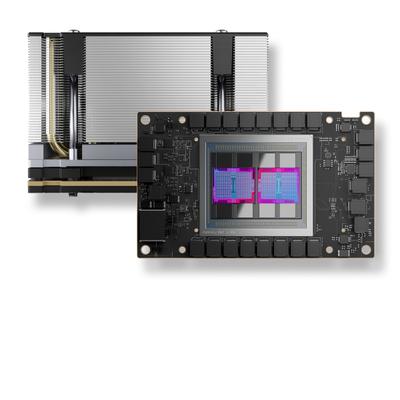
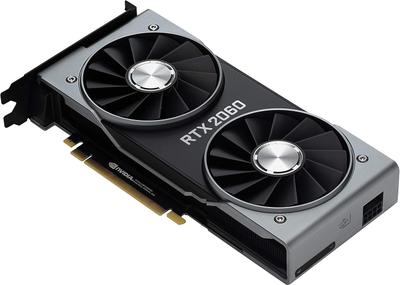
Start with tdp, because it is the widest measured gap between them: AMD Instinct MI250 500 W against NVIDIA GeForce RTX 2060 160 W, 213% in favour of NVIDIA GeForce RTX 2060. Memory bandwidth runs the same way, 3200 GB/s on the AMD Instinct MI250 versus 336 GB/s on the NVIDIA GeForce RTX 2060, another win for AMD Instinct MI250. Memory bus width runs the same way, 8192 bit on the AMD Instinct MI250 versus 192 bit on the NVIDIA GeForce RTX 2060, another win for AMD Instinct MI250. There is a split on architecture as well, CDNA2 on the AMD Instinct MI250 versus Turing on the NVIDIA GeForce RTX 2060.
AMD Instinct MI250 vs NVIDIA GeForce RTX 2060: which one fits your build
The AMD Instinct MI250 suits buyers comparing AMD's official reference specifications and researching a chip before choosing a board-partner card, though it is not the pick for overclocking-focused enthusiasts (reference clocks only). It is the wrong buy for buyers wanting a specific retail card with cooler and warranty details. The NVIDIA GeForce RTX 2060 is the one to take for budget 1080p gaming with lighter texture settings and buyers who already own one for casual/esports titles, though it is not built for 1440p or higher gaming. It is not the one for modern AAA titles with high-resolution texture packs (6GB fills up fast). Our rating of the NVIDIA GeForce RTX 2060 (5/10): A capable entry into ray tracing in its day, now limited mainly by its 6GB VRAM ceiling - fine for light 1080p use, best avoided otherwise.
Frequently asked questions
Do the AMD Instinct MI250 and NVIDIA GeForce RTX 2060 differ on boost clock?
Yes. Boost Clock reads 1700 MHz on the AMD Instinct MI250 versus 1680 MHz on the NVIDIA GeForce RTX 2060.
Specs and benchmarks
GPU Brand
- AMD Instinct MI250
- AMD
- NVIDIA GeForce RTX 2060
- NVIDIA
Series
- AMD Instinct MI250
- Instinct
- NVIDIA GeForce RTX 2060
- GeForce RTX 20
Board Partner
- AMD Instinct MI250
- Reference
- NVIDIA GeForce RTX 2060
- NVIDIA Founders Edition
Tier
- AMD Instinct MI250
- Datacenter
- NVIDIA GeForce RTX 2060
- Mainstream (2019, legacy)
Memory Type
- AMD Instinct MI250
- HBM2E
- NVIDIA GeForce RTX 2060
- GDDR6Best
Boost Clock
- AMD Instinct MI250
- 1700 MHzBest
- NVIDIA GeForce RTX 2060
- 1680 MHz-1%
TDP
- AMD Instinct MI250
- 500 W-212%
- NVIDIA GeForce RTX 2060
- 160 WBest
Architecture
- AMD Instinct MI250
- CDNA2
- NVIDIA GeForce RTX 2060
- Turing
Slot Width
- AMD Instinct MI250
- Not Applicable
- NVIDIA GeForce RTX 2060
- 2
Shader Units
- AMD Instinct MI250
- 13312
- NVIDIA GeForce RTX 2060
- 1920
Memory Bus Width
- AMD Instinct MI250
- 8192 bitBest
- NVIDIA GeForce RTX 2060
- 192 bit-98%
Memory Bandwidth
- AMD Instinct MI250
- 3200 GB/sBest
- NVIDIA GeForce RTX 2060
- 336 GB/s-89%
PCIe Generation
- AMD Instinct MI250
- PCIe 4.0
- NVIDIA GeForce RTX 2060
- PCIe 3.0 x16
Launch Date
- AMD Instinct MI250
- 11/08/2021
- NVIDIA GeForce RTX 2060
- 2019-01


Which one should you pick?
Choose AMD Instinct MI250 if you want the higher boost clock (1700 MHz vs 1680 MHz), the higher memory bus width (8192 bit vs 192 bit) and the higher memory bandwidth (3200 GB/s vs 336 GB/s).
Choose NVIDIA GeForce RTX 2060 if you want the lower TDP (160 W vs 500 W).
Price comparison
| Retailer | AMD Instinct MI250 | NVIDIA GeForce RTX 2060 |
|---|---|---|
| Consumercarts listing | $349.00 View on Consumercarts listing |
Disclaimer: The price and specification of the given product may differ from the actual product. Please confirm on the retailer's website before buying.
Verdict
NVIDIA GeForce RTX 2060
5 / 10 Expert Rating
A capable entry into ray tracing in its day, now limited mainly by its 6GB VRAM ceiling - fine for light 1080p use, best avoided otherwise.